
Kids Yoga in Singapore: A Family Guide to Calm, Focus and Fun
In this article
- What kids yoga actually is, and how it differs from adult classes
- The real benefits, kept honest
- What a class looks like by age
- Where to find kids yoga in Singapore
- How to choose a class and a qualified instructor
- Simple poses to try safely at home
- How often, and keeping it sustainable
- Frequently asked questions
If your child can spin in circles for an hour but cannot sit still for two minutes, yoga can sound like wishful thinking. Yet done well, age-appropriate yoga helps many children find a little more focus, settle big feelings and move with better body awareness. The trick is that kids yoga looks almost nothing like the adult class you might picture. It is playful, story-led, short and often gloriously silly, and the setting matters as much as the poses. This guide is for Singapore parents weighing up whether to sign up, how to pick a class that suits your child's age, and which simple poses you can safely try at home tonight, whether you have a wriggly toddler, a dreamy preschooler or a school-age kid who needs a calm-down tool before exams.
What kids yoga actually is, and how it differs from adult classes
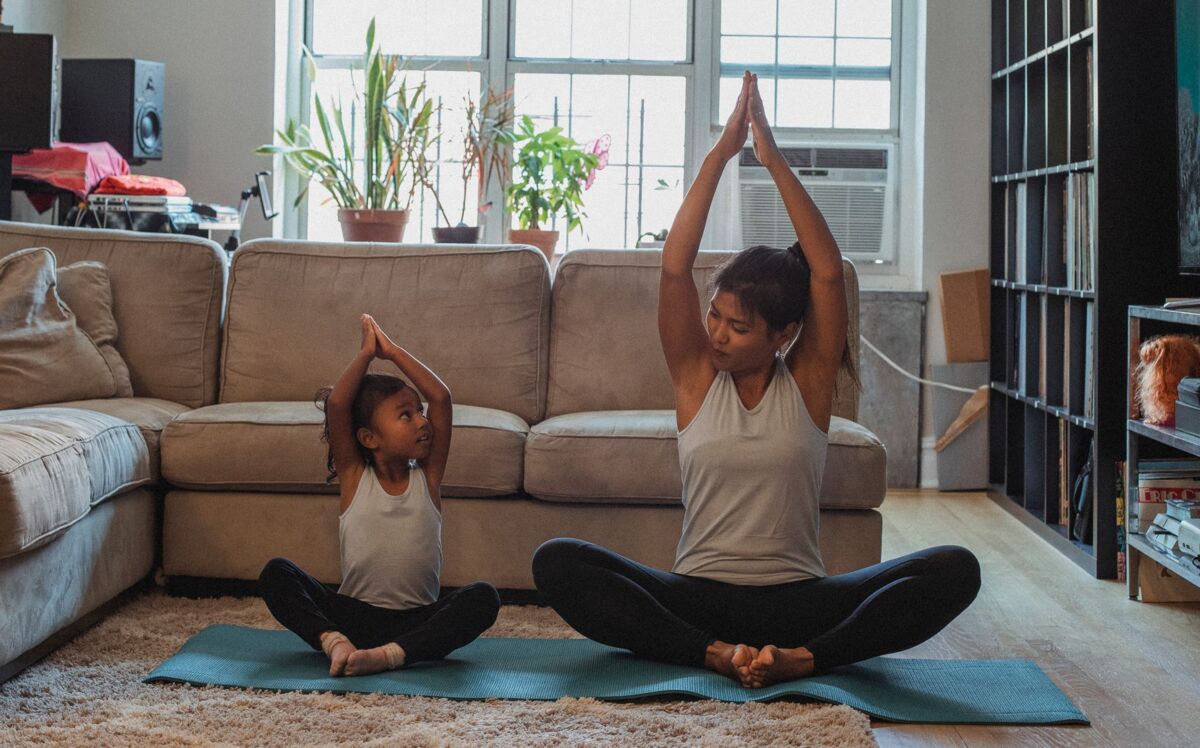
A children's class is built around how kids actually learn: through movement, imagination and play. Instead of a quiet flow in silence, a good session might be a jungle adventure where children stalk like a tiger, balance like a flamingo and curl up like a sleeping snake. Poses are introduced as animals, plants and shapes rather than Sanskrit names, breathing turns into games (blow out the candles, smell the flower), and stillness arrives in tiny doses. The teacher follows the children's energy, not a fixed sequence on a timer. Compared with an adult practice, kids yoga is shorter, louder, more forgiving of fidgeting, and far less concerned with any pose being textbook-perfect. The point is to enjoy moving and to learn that the body and breath can help you feel calmer.
The real benefits, kept honest
School-based and clinical reviews link regular children's yoga to better self-regulation, mood and resilience, alongside gains in flexibility and coordination. The mechanism is not magic: slow breathing nudges the body toward its rest-and-digest state and steadies heart rate, while holding and naming poses builds attention and body awareness. The American Academy of Pediatrics describes yoga as a generally safe practice that can support children coping with emotional, physical and behavioural challenges. Treat the benefits below as supportive and generally observed, not as medical treatment.
- Focus and calm. Children often feel calmer after breathing exercises, and the mix of movement and brief stillness can support attention. It is a healthy habit, not a cure for clinical conditions such as ADHD or anxiety.
- Flexibility, strength and balance. Gentle stretching and balancing builds coordination through growth spurts, without the strain of intense adult styles.
- Body awareness. Shaping and naming poses helps children sense where their body is in space, which underpins balance and gross-motor confidence.
- Managing big feelings. Pairing breath with movement gives children a simple, portable tool for noticing and settling strong emotions, and it sticks best when grown-ups model it at home too.
- A screen-free, indoor habit. In Singapore's heat and frequent afternoon storms, yoga works in any weather, in a small space, with no equipment beyond a mat.
Keep expectations realistic. Most studies are small or school-based, and the benefits tend to be modest and gradual. Treat yoga as one good habit among many, not a fix for behaviour or learning concerns. If you have a specific worry, or your child has a health condition or injury, speak to your GP or paediatrician and tell the instructor before class. Our guide on choosing a paediatrician in Singapore helps if you need a doctor.
What a class looks like by age
The single biggest mistake parents make is expecting a calm, quiet room. Good kids yoga is full of movement, and the format should match the child's stage rather than the other way round. Here is roughly what to expect at each age, though studios band ages differently, so always check.
Toddlers (roughly 2 to 4)
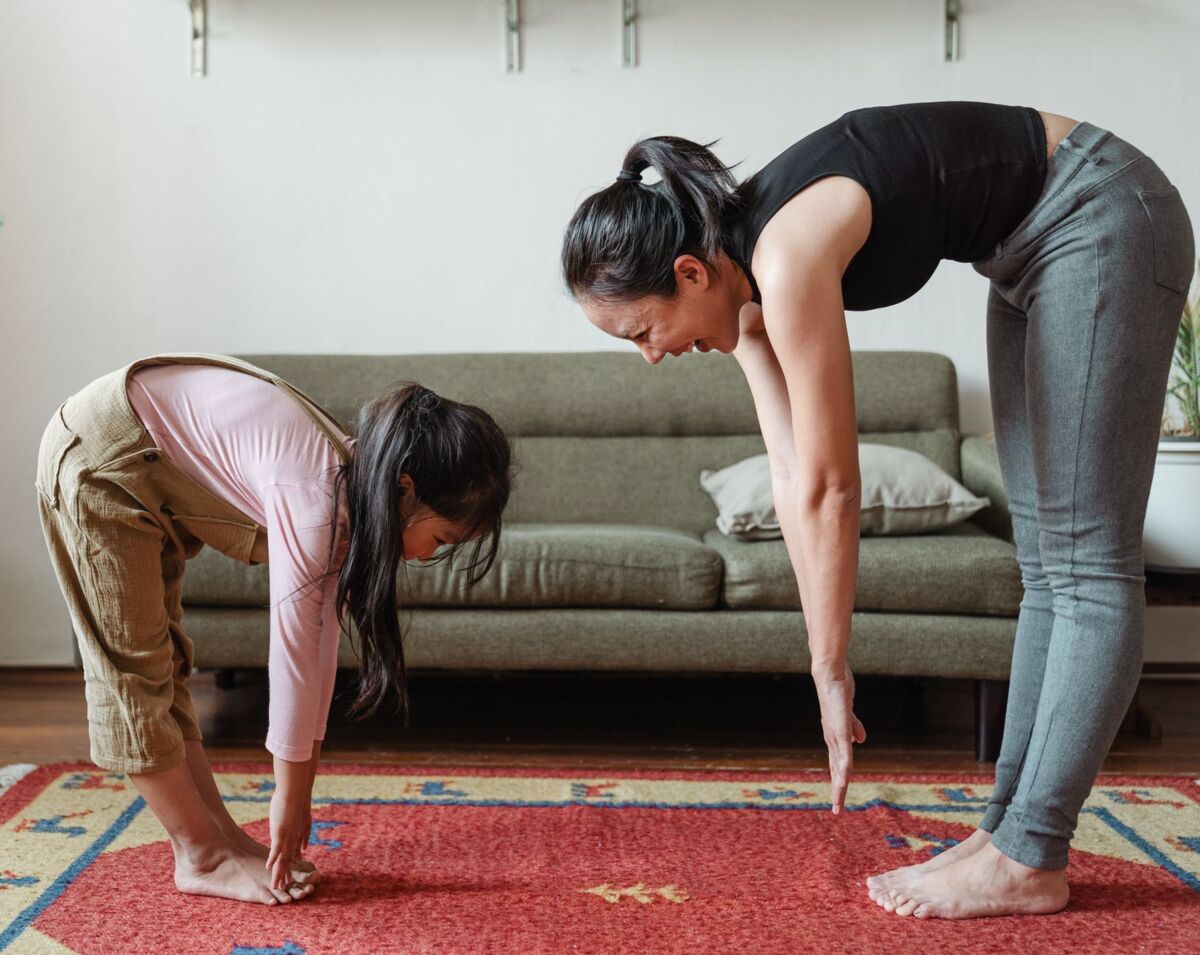
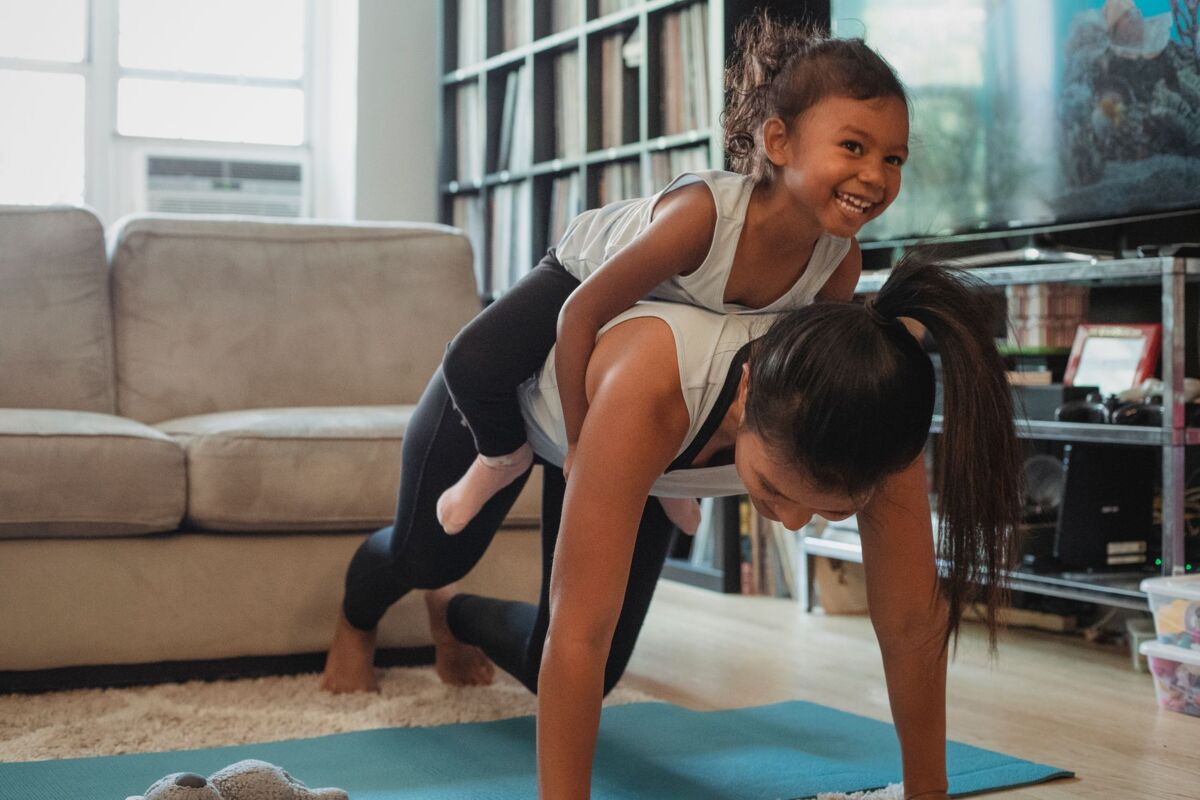
At this age it is parent-and-child play, not a formal practice. Expect songs, rhymes, bubbles, soft toys and short bursts of movement, with you on the mat guiding gentle shapes. Sessions are deliberately brief, with no forced positioning or long holding. The real wins are bonding, movement and giggles. If your toddler spends half the class watching or wandering, that is completely normal.
Preschoolers (roughly 4 to 6)
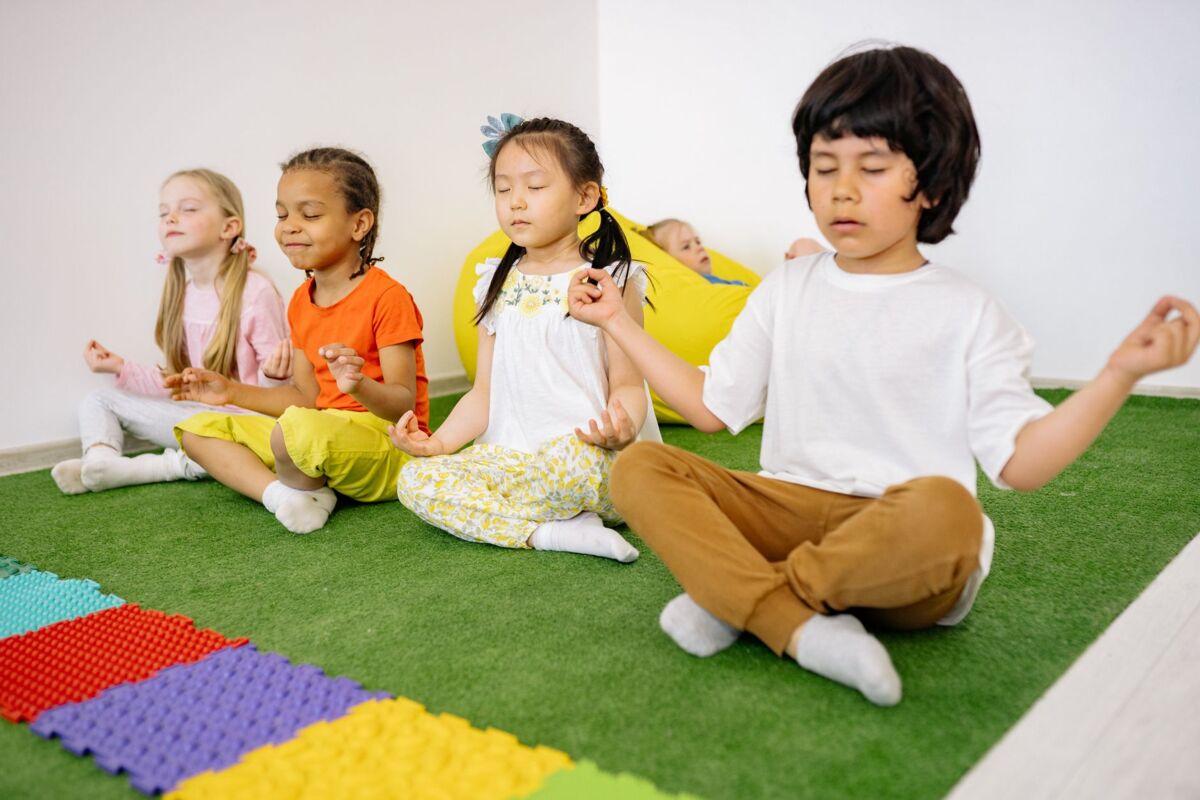
Classes turn story-based and imaginative. Children become trees, cats, butterflies and dogs, flowing through poses as part of a narrative such as a trip to the zoo or a journey from sunrise to bedtime. Animal poses dominate because they are memorable and easy to copy. Attention spans are short, so a good teacher keeps things moving and any stillness brief. Some preschool classes welcome a parent on the mat; others run drop-off.
School-age children (roughly 7 to 12)
Here things become more structured. Children can follow a sequence, hold poses a little longer and start to understand breathing as a tool to use before a test or when they feel cross. Teachers introduce simple balances, partner poses and games, with a short relaxation at the end. For older, stronger children, slightly more challenging shapes appear, always built up gradually. A calm-down breathing routine learned here can carry over into daily life, which pairs well with our advice on handling big feelings and tantrums in younger siblings at home.
Where to find kids yoga in Singapore
Singapore has a healthy spread of studios running children's and parent-child yoga, usually grouped by age. Mainstream studios and family-focused spaces offer kids sessions, including names such as Spirit Stretch, True Yoga, BlissYogaSG and Vyasa, alongside specialist children's yoga teachers at community spaces, preschools and enrichment centres. Rather than chasing a specific name, schedule or price, which change frequently, use this guide to ask the right questions, then confirm current ages, timings and fees directly with the studio. Book a trial before committing to a term.
How to choose a class and a qualified instructor
The teacher and the room matter more than the brand on the door. Use these criteria, and treat the trial class as your real test.
- Genuine children's training. Teaching kids well is a distinct skill, not adult yoga at a smaller size. The Registered Children's Yoga Teacher (RCYT) credential through Yoga Alliance requires a current Registered Yoga Teacher qualification plus at least 95 hours of dedicated children's yoga training in child development, age-appropriate poses and classroom management, with logged teaching hours. Ask what children's training the instructor has done.
- Small, age-banded groups. Tight age bands (such as 3 to 6 or 7 to 10) and small classes mean each child gets attention and the pace fits their stage. A big mixed-age group rarely works for young children.
- A child-led, playful approach. The class should follow the children's energy with games, stories and choice, never push them into deep stretches, and never shame the child who fidgets or sits one out.
- Clear parent policy. For toddlers and many preschoolers, parents stay on the mat. Check whether the class expects you to join in or drop off, plus a clean, non-slip floor and a teacher comfortable modifying poses.
The Singapore practical checklist
Beyond the yoga itself, logistics decide whether you keep going. Before you sign up, check the things that make or break a weekly outing with kids in tow.
- Location and transport. Confirm the nearest MRT and whether there is parking nearby, since carrying a tired child plus a mat across town every week wears thin fast.
- Stroller and sibling logistics. If you have a baby in tow, ask about lift access, somewhere to park a stroller, and whether a younger sibling can wait safely while you are on the mat.
- Nursing and diaper facilities. For parent-child toddler classes, check there is a nearby nursing room or changing table, especially if the studio sits inside a mall.
- Timing and crowds. Weekend morning slots fill first and are the most chaotic. A late-afternoon weekday class is often calmer, easier to park for, and dodges a missed-nap meltdown.
- Snacks nearby. Children are ravenous after class. A studio near a food court, kopitiam or kid-friendly cafe turns the trip into an easy outing rather than a rushed dash home.
Simple poses to try safely at home
You do not need a studio to start. A clear, soft floor space, comfortable clothes and a few minutes are enough. Keep it light, let your child set the pace, and stop the moment anything feels uncomfortable. A short five-minute flow beats a long session every time, so make the sounds, do it with them, and let it be silly.
- Cat-Cow. On hands and knees, gently round the back like a stretching cat, then dip it and look up like a cow, mooing optional. Move slowly with the breath to warm up the spine.
- Butterfly. Sit with the soles of the feet together and knees dropping out to the sides, holding the feet and softly fluttering the knees like wings. A friendly hip stretch.
- Downward Dog. From hands and knees, lift the hips up and back into an upside-down V, like a dog stretching. Encourage soft, bent knees rather than forcing straight legs.
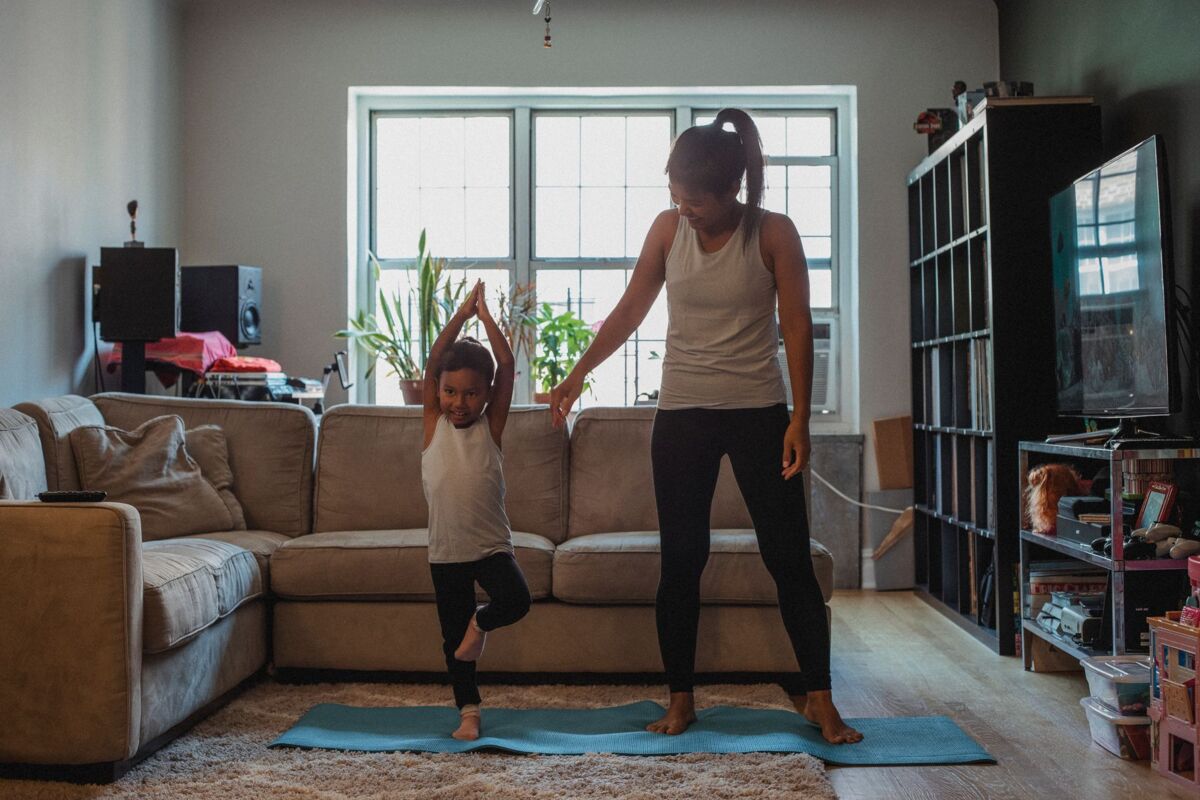
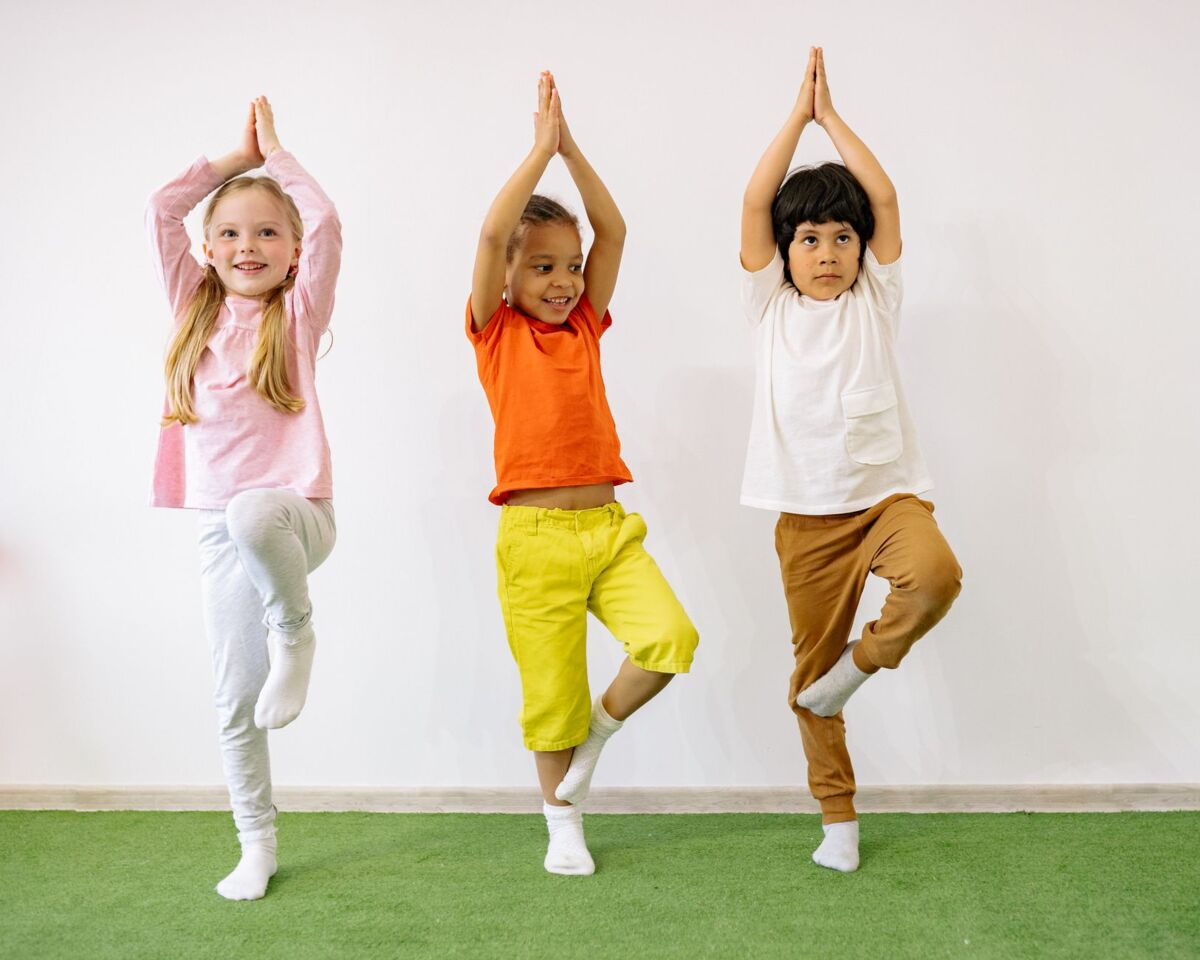
- Tree. Standing tall, rest one foot against the opposite ankle or calf, never the knee, and reach the arms up like branches. Balancing near a wall is fine, and toppling over is part of the fun.
- Belly breathing to finish. Lie down with a small soft toy on the tummy and watch it rise and fall with slow breaths, the calming skill children carry into the school day and bedtime.
How often, and keeping it sustainable
Consistency matters far more than length. Younger children often do well with very short daily sessions of around five minutes, or one organised class a week, while school-age children can manage a 30 to 45 minute session once or twice a week. For context, Singapore's Integrated 24-Hour Activity Guidelines suggest toddlers and preschoolers accumulate around 180 minutes of physical activity across the day, and children aged three and up get about 60 minutes of moderate-to-vigorous activity, so yoga is one calming piece of a varied, active week rather than the whole of it. The aim is enjoyment, not a packed schedule. If your child loses interest, shorten it, make it sillier, or try again another day. For more active, screen-free balance, our tips on managing screen time pair well with a regular movement habit.
Frequently asked questions
What age can children start yoga?
Gentle, parent-led movement can begin in the toddler years, and many Singapore studios run structured kids classes from around age 3. The younger the child, the more it should look like guided play with a parent on the mat. Confirm exact ages with each studio, as bands differ.
Is yoga safe for children?
For most healthy children, age-appropriate yoga is considered safe when it avoids forced positions, long holds and advanced poses. Stick to gentle stretching and relaxation, skip intense or heated styles, and check with your GP or paediatrician first if your child has any health condition, injury or special need.
Does kids yoga really help with focus and behaviour?
Research links regular children's yoga to modest, gradual gains in self-regulation, calm and attention. It is a supportive habit rather than a treatment for conditions such as ADHD or anxiety. If you have specific concerns, seek professional advice rather than relying on yoga alone.
Do I need to join the class with my child?
For toddlers and many preschoolers, yes, parents usually stay on the mat to guide and reassure. Older children are generally happy in class on their own. Policies differ between studios and class levels, so ask what they expect when you book the trial.
How much do kids yoga classes cost in Singapore?
Fees vary widely and change often, so treat any figure online as a rough guide. Classes are sold as casual drop-ins, multi-class packages or cheaper termly packages, and many studios offer a discounted or free trial. Confirm current rates, package validity and any sibling or member discounts directly with the studio, and ask whether mat hire is included.
What should my child wear and bring?
Comfortable, stretchy clothes they can move and tumble in, and bare feet for grip. Many studios provide mats, but a small water bottle is handy and a light snack afterwards saves a meltdown. Avoid a heavy meal right before class, and tie back long hair. If your child wanders, watches or refuses a pose, that is normal under age five; a good teacher never forces it and willingness grows as the room feels familiar.
Kids yoga is one of the easiest healthy habits to start at home and a gentle way to bring a little calm into a busy Singapore family week. For more ideas on raising relaxed, resilient children, browse our Fussy Mama blog and explore our family tools.
Childhood Myopia in Singapore: A Parent's Guide to Signs, Prevention and Eye Checks
A Singapore parent's guide to childhood myopia: why it is so common, early signs, outdoor and screen habits that help, e...
11 min read
Choosing a Paediatrician in Singapore: A Practical Guide for Parents
How to choose a paediatrician in Singapore: GP vs polyclinic vs private PD, cost guidance, vaccinations, first-visit tip...
12 min read
Mosquito Repellent for Kids in Singapore: A Parent's Guide to Dengue Protection
How to choose mosquito repellent for kids in Singapore by age, protect babies from dengue, cover up, use nets, clear sta...
11 min read