

Korean BBQ in Singapore: A Family Guide to Grilling With Kids
In this article
There is a particular magic to Korean BBQ in Singapore when you bring the children along. The grill sizzles in the middle of the table, strips of meat go on with a satisfying hiss, and a little fence of colourful side dishes appears as if by magic. For families, KBBQ is one of the few restaurant meals where the cooking is the entertainment, and where there is genuinely something for even the fussiest little eater. This guide is for parents weighing up tabletop grilling with a toddler, a school-age child or a baby in tow. We cover how it works, the styles (buffet, a la carte, halal, smokeless), what to order for kids, how to keep small hands safe around a hot grill, and the practical stuff nobody tells you, from high chairs to crowd timing to what to do when it rains.
How Korean BBQ actually works
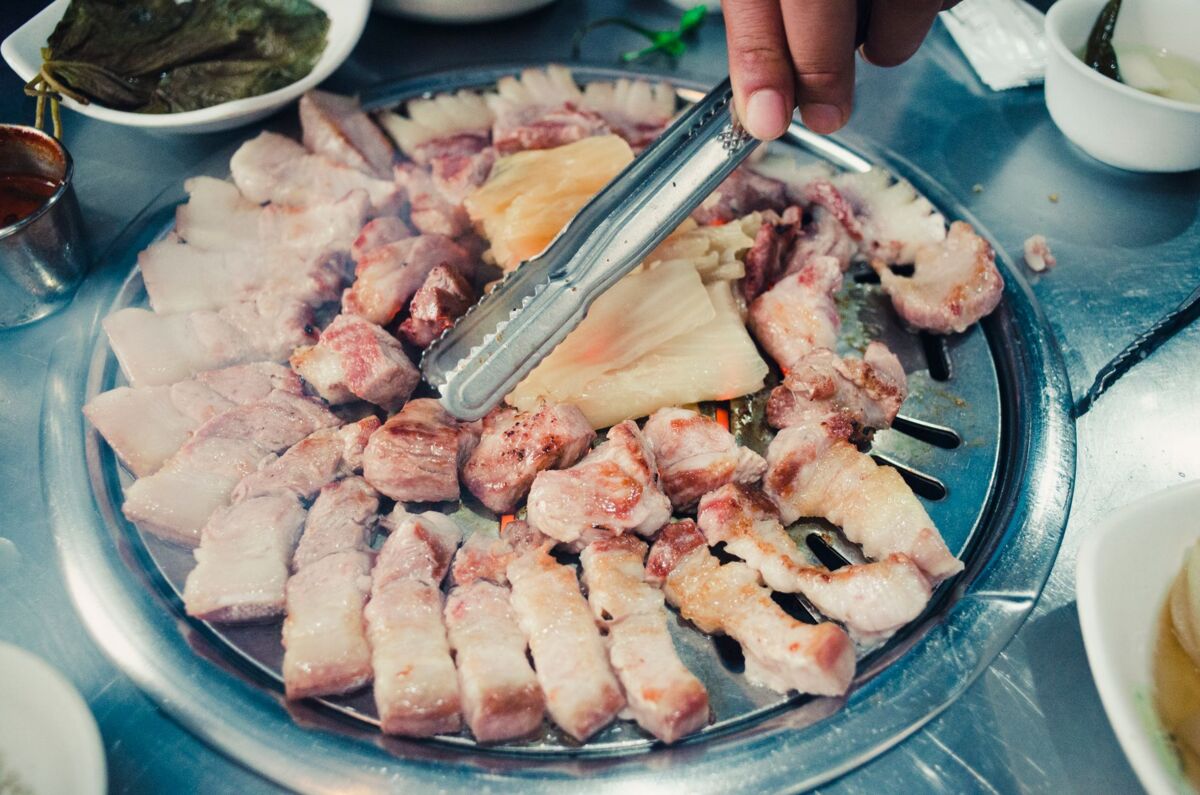
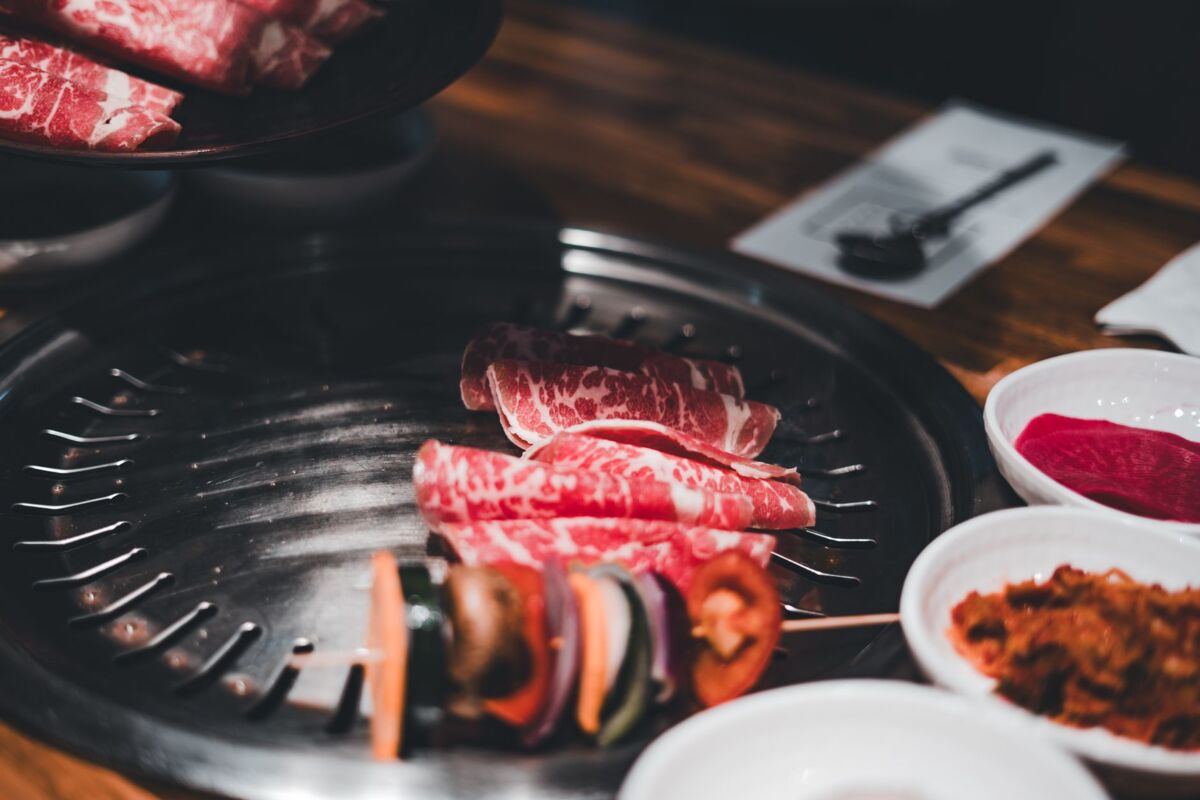
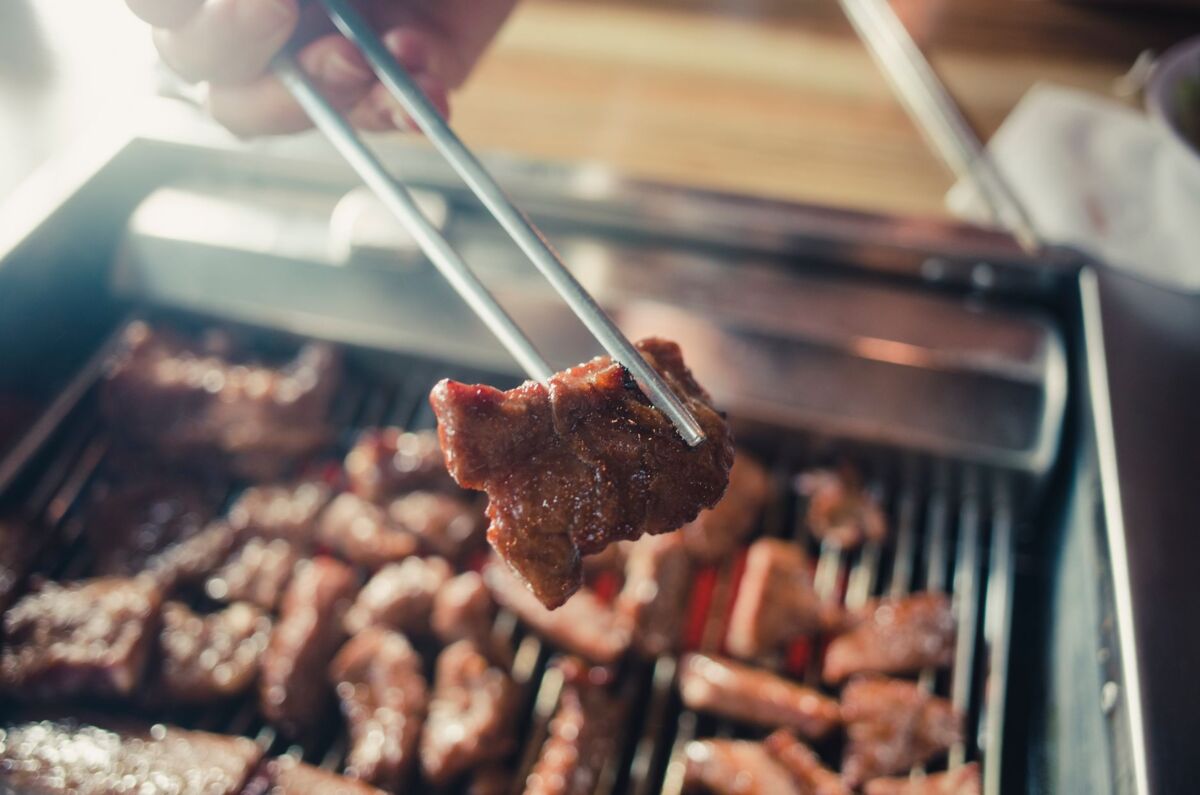
At a Korean BBQ restaurant, the grill is built right into your table. You order raw or marinated meat (and sometimes seafood or vegetables), then cook it yourself, a few pieces at a time, over a hot grill plate or charcoal. Some places do all the cooking for you at the table, a relief when you have a baby on your lap, while others hand you the tongs and scissors. Either way, food arrives in waves, so the meal stretches out and there is always something to watch.
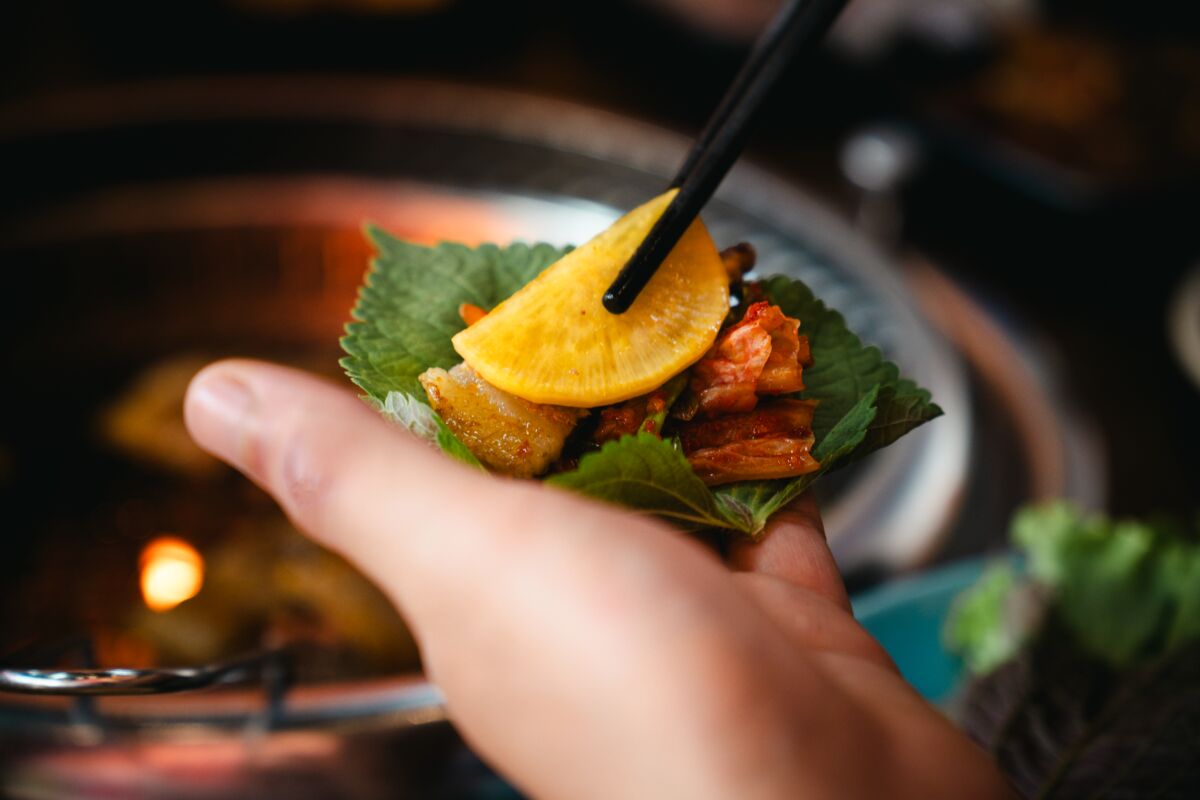
The meat is only half the story. Every Korean BBQ meal comes with banchan, the little free side dishes that land before your food does, usually kimchi, pickled radish, bean sprouts, seasoned spinach and fresh lettuce leaves, and many places refill them at no charge. The classic way to eat is ssam: pop grilled meat into a lettuce leaf, add rice and a dab of sauce, and eat it in one bite. Children love building their own little parcels, and you control exactly what goes in, which is half the reason KBBQ works so well with picky eaters.
A few cuts are worth knowing by name. Samgyeopsal is unseasoned pork belly that grills up crispy, bulgogi is thinly sliced beef in a sweet soy marinade, galbi is marinated short rib, and dak galbi is a sweet-savoury chicken version. Bulgogi and the chicken cuts are sweet rather than spicy, which makes them reliable crowd-pleasers and the cuts to start with if your child is new to all this.
Why Korean BBQ works so well for families
Korean BBQ ticks a lot of boxes that matter when you are eating out with children:
- It is interactive. Watching the meat cook, flipping pieces and assembling wraps keeps kids busy at the table instead of restless.
- There is real variety. Between the banchan, rice, noodles, egg and grilled meat, even a picky eater usually finds two or three things they will happily polish off.
- You control the flavours. You decide what is mild, sauced or spicy, so you keep your child's portion gentle while the adults enjoy the heat.
- It is communal and slow. Everyone shares from the middle and the food keeps coming, which feels like a proper family occasion rather than a race to finish separate plates.
- It suits mixed appetites. One table can feed a meat-loving teenager, a rice-and-egg toddler and adults all at once, without anyone compromising.
The main styles of KBBQ, and which suits your family
Not all Korean BBQ is the same experience. Knowing the format before you go saves a lot of stress with young children, because each style has a different pace and a different price logic.
All-you-can-eat buffet vs a la carte
Buffets let you pay a set price and grill as much as you like within a time limit, often 90 minutes to two hours, and are excellent value for big eaters, though the clock and busier rooms feel rushed with very young children, and many require a minimum of two diners. A la carte, where you order cuts as you go, is calmer and easier to pace for a first visit or a toddler who eats in fits and starts. Rule of thumb: buffet for hungry, older kids on a relaxed weekend; a la carte for babies, toddlers and a quieter outing.
Smokeless and ducted-grill spots
Many Singapore KBBQ restaurants now use overhead extraction pipes or under-table smoke purifiers, so you leave without reeking of barbecue and the air stays clearer at the table. With children this matters more than you might think: less smoke means less coughing, fewer watery eyes and a more comfortable hour or two. If anyone in your family is sensitive to smoke or has asthma, look for a place that advertises smokeless or ducted grills and ask for a table directly under an extractor.
Halal-certified KBBQ and hotpot
Singapore has a growing number of halal-certified Korean grill and hotpot spots, including buffet-style chains that pair tabletop grilling with army stew and soft tofu stew, several aimed squarely at families. Halal status can change when certification lapses or ownership changes, so never assume: verify the outlet on the official MUIS halal directory before you book, and look for the current certificate on display. Establishments range from fully halal-certified to Muslim-owned to no-pork-no-lard, which are not the same thing, so check what level of assurance you need.
What to order for kids
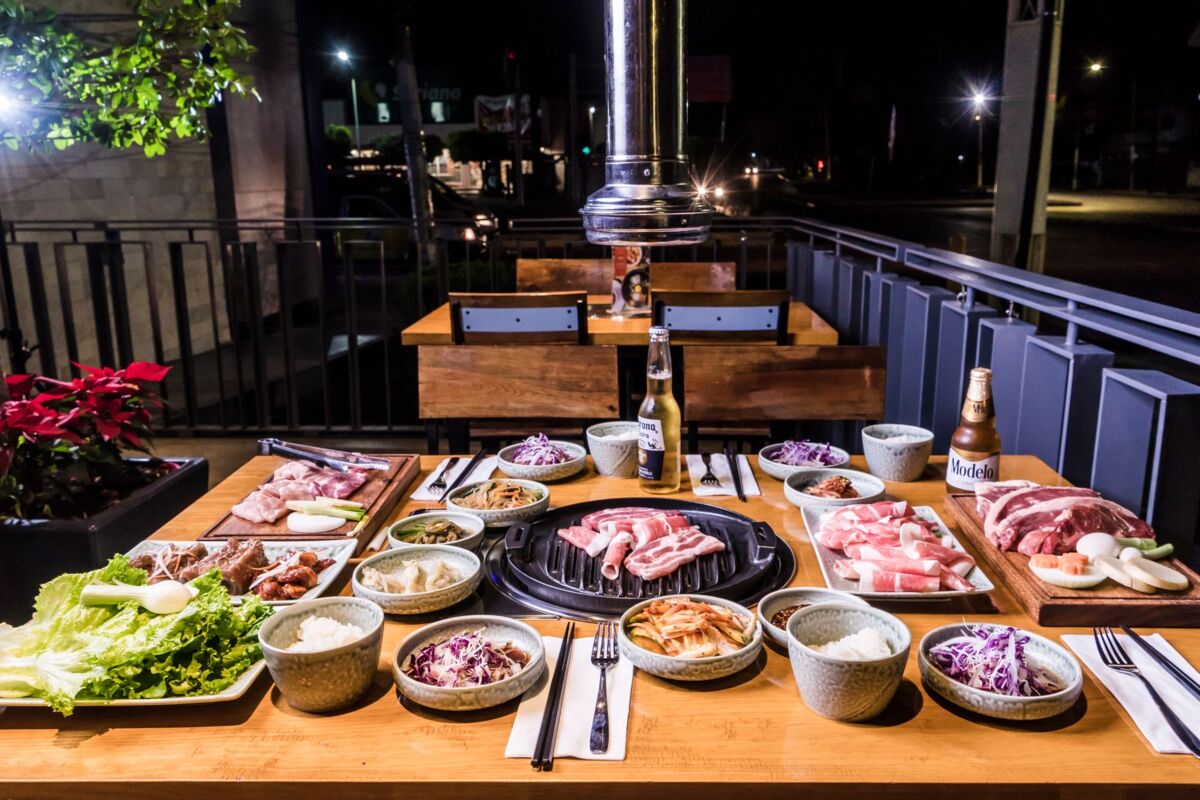
You do not need a dedicated kids menu to feed a child well at Korean BBQ. Some Singapore restaurants offer one, but the regular menu already has plenty of mild, child-friendly options. Order a couple of these alongside the grilled meat and most children are sorted:
- Bulgogi or grilled chicken. Sweet and savoury rather than spicy, and easy to chew once snipped small with the table scissors.
- Steamed egg (gyeran-jjim). Soft, fluffy and served hot in a stone pot, a perfect first taste of Korean food for little ones.
- Japchae. Slippery glass noodles tossed with vegetables, mildly sweet and a fun texture that kids tend to enjoy.
- Plain steamed rice. Stir in a spoonful of bulgogi sauce to make the gently sweet rice children love.
- Grilled mushrooms, corn or plain meat. Easy sides that round out a plate and soften stronger flavours.
- Mandu (dumplings) or kimbap (rice rolls). Familiar, hand-held and rarely spicy, great backups for cautious eaters.
Staying safe around a hot grill
The grill is the whole point of Korean BBQ, but it sits at table height and gets genuinely hot, and any hotpot broth is scalding. A little planning keeps the meal relaxed rather than nerve-wracking with toddlers and young children.
- Seat little ones away from the heat. Put younger children on the far side of the table, with an adult between them and the grill or pot. Never seat a child right at the edge nearest the heat source.
- Mind the metal. Tongs, scissors, the grill plate and even the table surface near the grill can be hot. Keep cutlery, cups and the water jug out of small reach.
- Choose staff-cooked or smokeless if you have a baby. Restaurants where staff grill at your table mean no hot surface for you to manage while holding an infant.
- Watch loose sleeves and trailing straps. Push up sleeves, and keep bibs, muslins and bag straps well clear of the grill and the hotpot flame.
- Supervise constantly. Never leave a child alone at the table; one adult should always have eyes on the heat, and keep a cool drink within reach for any spice surprise.
How to choose a kid-friendly Korean BBQ spot
Not all KBBQ outlets are equally easy with children. When you are picking a place, it helps to look (or call ahead and ask) for:
- Good ventilation or smokeless grills, so the air stays comfortable and you do not leave smelling like a barbecue.
- High chairs. Many places have a few, but they run out fast, so confirm availability when you book.
- Booth or corner seating that boxes in wandering toddlers and keeps them away from walkways and other diners' grills.
- Mild marinated meats and kid-friendly sides, ideally a kids set, but at minimum bulgogi, egg, japchae and rice.
- Space for a stroller, since some narrow shophouses cannot fit one. A few family-focused outlets even have a small play corner.
- Child pricing. Buffets often charge children by height or age, sometimes free below a certain height, so ask before you commit; it changes the cost a lot for a family.
If accessibility matters, a stroller, a wheelchair or a relative with mobility needs, check for step-free entry and lift access first, as many of Singapore's most atmospheric KBBQ spots sit in older shophouses with stairs and tight stairwells. Mall outlets in areas like Orchard, Tampines and Jurong East tend to be the most pram- and wheelchair-friendly, with nursing rooms and diaper-change facilities nearby.
Practical things to know before you go
Areas and getting there
Korean BBQ clusters thickly around Tanjong Pagar, which has the highest concentration of grill houses on the island, plus Clarke Quay, Orchard and the CBD, all easy to reach by MRT. For families, mall-based outlets in the heartlands (Tampines, Jurong East, Clementi, Serangoon) are often more comfortable: pram-friendly, fully air-conditioned, close to MRT and surrounded by toilets, baby rooms and shops to wander if the wait is long. Atmospheric shophouse spots can be cramped and stair-heavy with a stroller.
Timing and crowds
Go early. Arriving right when service opens, or for a late-lunch slot, means a quieter room, faster food and far less waiting with hungry, tired children. KBBQ gets loud, hot and packed on Friday and Saturday evenings, the hardest setting for a toddler. Popular spots rarely take walk-ins comfortably on weekends, so book ahead, and for a timed buffet, ask for the earliest slot of the day.
What to bring
- A change of clothes or a bib, because grilling is messy and sauce gets everywhere.
- Wet wipes and hand sanitiser, since tables get sticky and little fingers find everything.
- A small distraction (a quiet toy or book) for the gap before the food starts cooking.
- A cardigan or light layer; the aircon can be fierce while the grill is hot in front of you.
Cost guidance
Prices vary widely and change often, so treat any figure as a guide and confirm on the venue's own channels. Broadly, buffets are the most predictable per-head value for big eaters, lunch sets are the cheapest way in, and premium a la carte cuts (wagyu, Iberico, specialty pork) sit at the top end. Children may be charged less, or sometimes free, on a buffet depending on height or age, while drinks and hotpot add-ons push the bill up. Always check current prices, the time limit, the minimum diners and whether a kids menu exists before you go.
A rainy-day or wait-time backup
KBBQ is an all-weather indoor meal, which is exactly why it is such a good rainy-day plan, and mall-based outlets give you somewhere dry to wait out a long queue. For ideas on building a full family day around your meal, browse our eat hub. If Korean grilling does not suit the youngest in your group, our guide to the best buffets in Singapore for families and our roundup of family-friendly hawker centres offer calmer, lower-cost alternatives, and allergy-friendly eating in Singapore is worth a read if anyone at your table has dietary needs.
Frequently asked questions
Is Korean BBQ too spicy for kids?
Not necessarily. The grilled meat itself is mostly mild, and sweet marinades like bulgogi are popular with children. The heat usually comes from sides like kimchi and from chilli sauces such as gochujang, which you can simply set aside or skip. Order plain or sweet cuts, ask your server which marinades are spicy, and keep plain rice handy to cool any stronger flavours.
What age is Korean BBQ suitable for?
Families bring children of all ages, including babies. The main thing to manage is the hot grill at table height, so for very young children pick a booth, seat them away from the heat, or choose a restaurant where staff do the grilling for you. School-age children usually love the hands-on cooking; the youngest are happiest with egg, rice, noodles and a parent doing the grilling.
Do Korean BBQ restaurants in Singapore have high chairs?
Many do, but availability varies by outlet and they run out at busy times. It is worth calling ahead to reserve one, especially on weekends, and checking the restaurant's official channels to confirm before you go. Mall-based outlets tend to be better stocked than small shophouse spots.
Is there halal Korean BBQ in Singapore?
Yes, there are halal-certified Korean grill and hotpot options, including some buffet-style spots aimed at families. Certification can lapse or change, so confirm the specific outlet on the official MUIS halal directory and look for the current certificate on display before you book. Bear in mind that halal-certified, Muslim-owned and no-pork-no-lard are different things, so check which level of assurance you need.
How long does a Korean BBQ meal take with kids?
Plan for around 60 to 90 minutes. A la carte is flexible and you can leave when your child has had enough, while timed buffets typically run 90 minutes to two hours. With young children, aim to be seated early so you finish before they hit the overtired stage, and do not feel you have to use every minute of a buffet slot.
Gluten Free and Allergy-Friendly Eating Out in Singapore: A Parent's Guide
A practical parent's guide to gluten free and allergy-friendly eating out in Singapore: allergens, hawker safety, talkin...
9 min read
Cat Cafe Singapore: A Family Guide to Animal Cafes
A parent's guide to the cat cafe Singapore scene and animal cafes: how they work, age rules, etiquette, welfare, and wha...
10 min read
Bak Kut Teh in Singapore: A Family Guide to the Comforting Pork Rib Soup
A parent's guide to bak kut teh in Singapore: peppery vs herbal styles compared, what to order for kids, spice tips and ...
10 min read