

Mookata in Singapore: A Family Guide to Thai BBQ Steamboat
In this article
- What is mookata, exactly?
- Why it works so well for families
- How a mookata meal actually runs
- How to order: ala-carte, sets and buffets
- What to order, and the famous sauce
- Charcoal vs gas, air-con vs alfresco
- Halal, dietary needs and spice levels
- Best age range, what to bring, and timing
- How to pick a good mookata spot
- Frequently asked questions
A meal you cook yourself at the table turns an ordinary dinner into an event, and mookata does that better than almost anything else in Singapore. It is a Thai barbecue steamboat: you grill marinated meats on a domed pan while a moat of broth bubbles around the rim, all from one shared pot in the middle of the table. It suits big, noisy family gatherings, birthdays and weekend treats, and works for mixed groups where grandparents, fussy toddlers and hungry teens all want different things. This guide covers how it works, what to order, what it costs, and the safety points that matter most when you bring young children to a hot grill.
What is mookata, exactly?
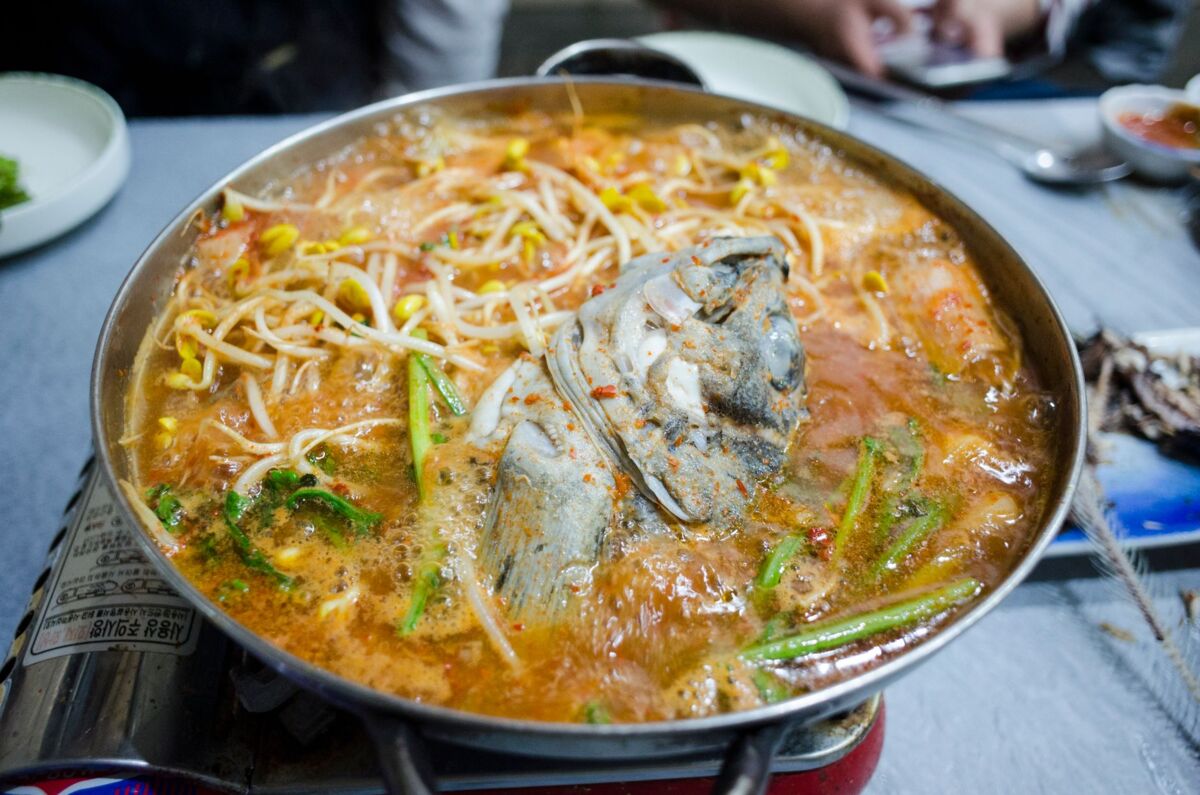
The word comes from Thai: moo means pork and kata refers to the pan. The clever part is the cookware. It is a metal pot with a raised dome in the centre for grilling, ringed by a shallow trough that holds simmering broth. You barbecue meats on the dome while the moat works as a hotpot for vegetables, glass noodles, tofu, fishballs and seafood. The two halves feed each other: as the meat grills, its juices and fat run down the sloped dome into the soup, slowly turning a plain broth into something rich and savoury. It is barbecue and steamboat in a single pot, which is why it feels so generous and fun.
Mookata traces back to northern Thailand and shares DNA with Korean BBQ and Chinese hotpot, but the grill-and-moat pan is its own thing. In Singapore you will find it from open-air coffee shops in the heartlands to air-conditioned shoplots in the city.
Why it works so well for families
Mookata is interactive in a way most restaurant meals are not. Instead of waiting for plates to land, everyone has a job: someone mans the grill, someone fishes noodles out of the soup, someone watches the prawns. Older kids get a genuine kick out of cooking their own food, and the slow, cook-as-you-go pace gives slower eaters and chatty adults room to breathe.
- It is sharing food. A spread of meats, seafood and vegetables in the middle of the table is naturally social and easy to pace for little ones.
- Fussy eaters get options. Plain grilled chicken, a bowl of clear soup with noodles, or a soft-boiled egg cracked into the broth all work for cautious palates.
- It can be good value. Mookata is generally one of the more affordable ways to feed a crowd, especially at all-you-can-eat outlets where growing kids and teens can eat their fill.
- It rewards a relaxed pace. Cooking in rounds stretches the meal out, which suits families who want to linger rather than rush.
If your crew loves a shared, communal feed, it sits nicely alongside other group favourites. For more spreads built for sharing, see our roundup of the best buffets in Singapore for families, or the comforting, broth-led classic in our guide to the best bak kut teh in Singapore.
How a mookata meal actually runs
You do not need to be an expert. Staff usually set up the pot for you, but knowing the rhythm helps you guide the kids and avoid a stuck-on mess.
- Broth goes in first. Soup is ladled into the moat around the dome and brought up to a simmer before you start.
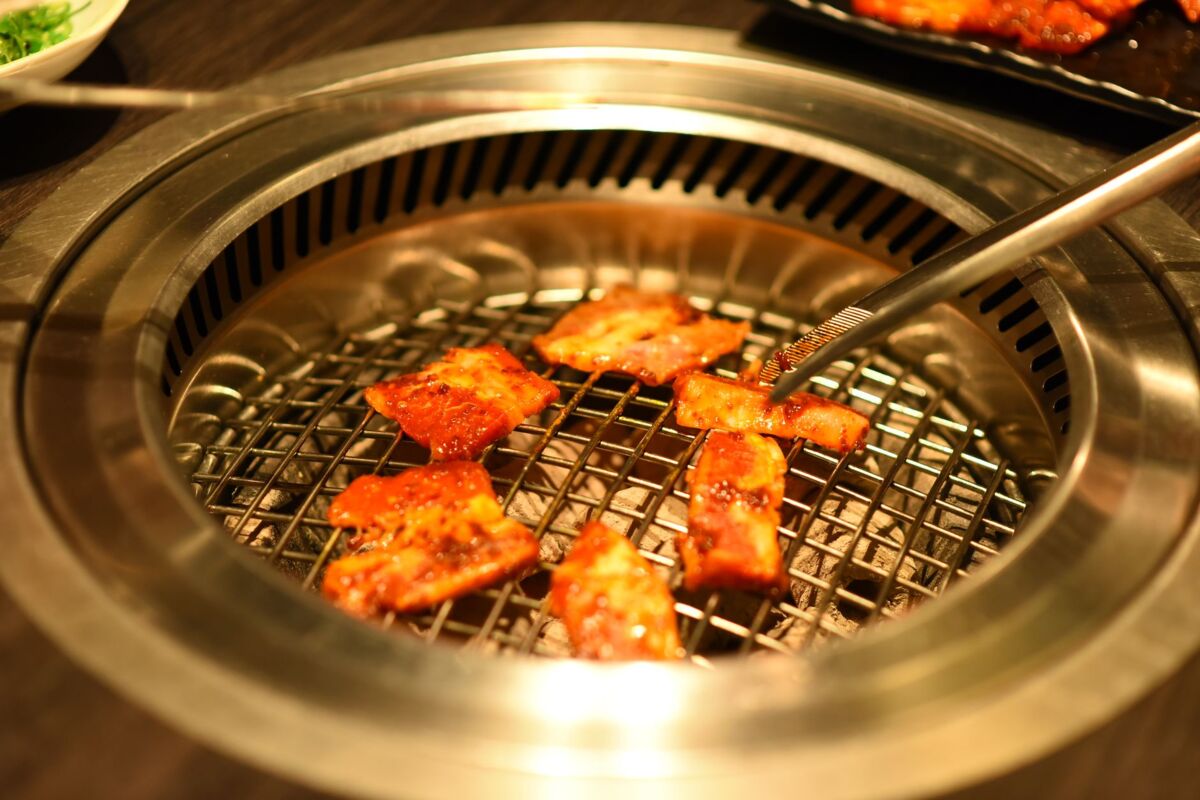
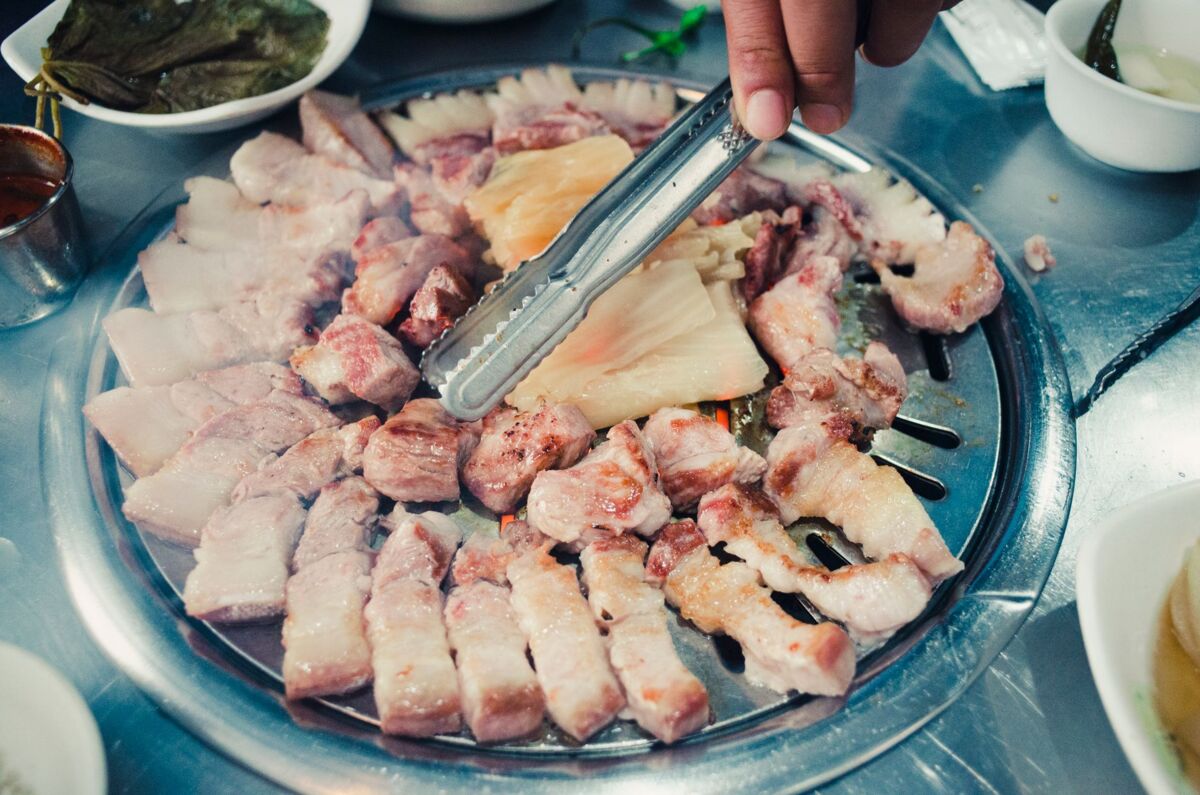
- Grease the dome. A piece of pork fat is rubbed over the hot dome so the meat does not stick. This is the traditional trick that gets the surface glossy and slick, and it is also why most outlets are pork-based unless they are halal.
- Grill on top, simmer below. Lay marinated meats on the dome to barbecue, and drop vegetables, noodles, fishballs and seafood into the soup to cook through.
- Cook raw food properly. Pork, chicken and seafood need to be cooked through, not just seared. Check there is no pink in the middle before anyone, especially a young child, eats them.
- Keep raw and cooked separate. Use one set of tongs or chopsticks for raw meat and a different set for eating, the same hygiene rule as any steamboat. This avoids cross-contamination, which matters most for little ones.
- Let the soup build. As you cook, dripping juices flavour the broth, so the soup at the end is often the best part. Skim it if it gets too oily for the kids.
How to order: ala-carte, sets and buffets
There are three common ways to pay, and the right one depends on your group size and appetites.
- Ala-carte plates. You order individual plates as you go. Most flexible for picky eaters and smaller families, and it keeps the bill in your control. Plates are typically inexpensive.
- Set platters. A fixed combination for two to four people, usually a mix of meats, seafood and vegetables. Handy if you do not want to think, and often decent value for a family of four.
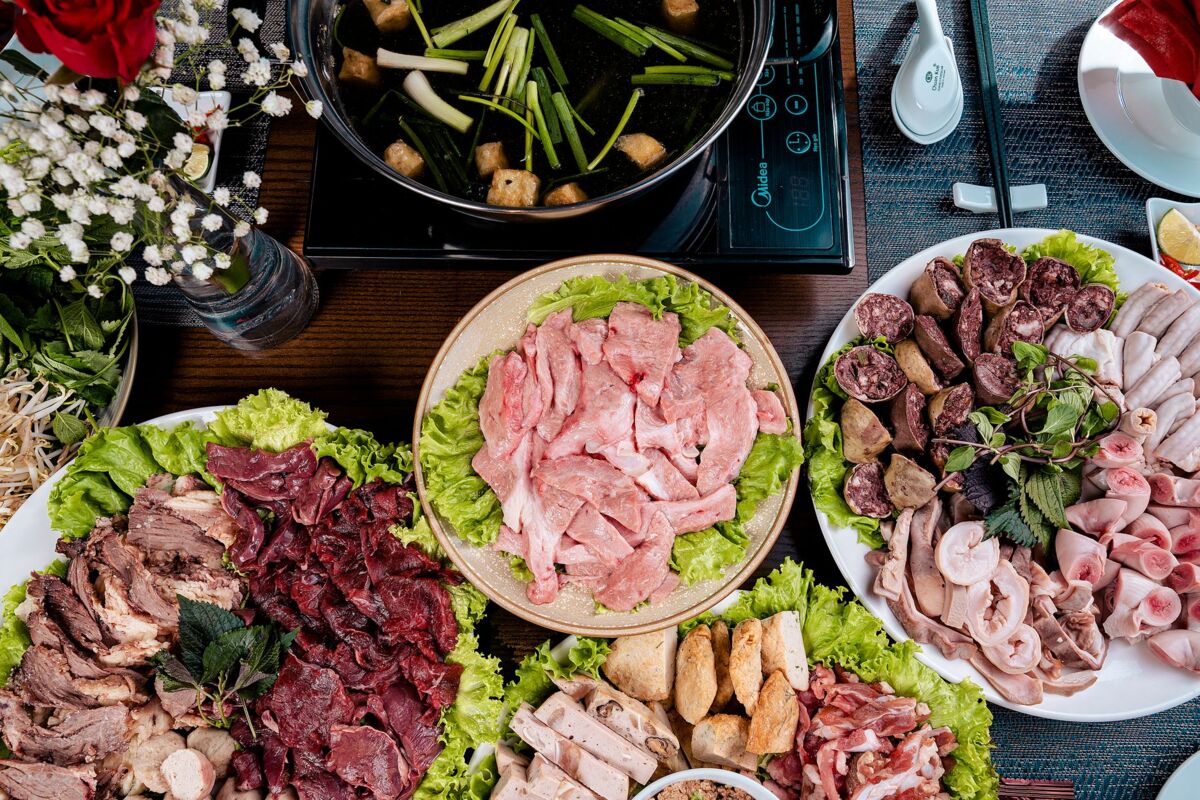
- All-you-can-eat buffets. A flat price per person for unlimited rounds, often with premium add-ons like wagyu, scallops or cheese dips for a top-up. Best for teens and big eaters; weekday prices are usually lower than weekend rates.
Buffets often have time limits (commonly around 90 minutes to two hours), minimum spends, or charges for wasted food, so read the house rules first. Prices and terms change often, so confirm current details with the outlet rather than trusting a number you saw online.
What to order, and the famous sauce
The grill side leans on marinated meats: pork collar and pork belly are the classics, alongside chicken, marinated beef, smoked duck and premium beef at fancier outlets. The moat is where seafood and vegetables shine: tiger prawns, squid, scallops, fishballs and crab sticks, plus Chinese cabbage, kangkong, enoki and shiitake mushrooms, glass noodles and tofu. For kids, lean on plain chicken, mild meats, noodles and vegetables, and ask for a clear or chicken broth rather than a spicy tom yum, which can be too hot for small mouths.
The dipping sauce is half the fun. The signature is the Thai green seafood sauce, nam jim seafood, a punchy mix of lime, chilli, garlic and coriander that grown-ups tend to love. Most outlets also offer a sweeter chilli sauce that is gentler for children. If your family manages food allergies, scan the marinades and sauces and ask staff about ingredients before ordering. Our guide to allergy-friendly eating in Singapore has more on how to navigate menus with confidence.
Charcoal vs gas, air-con vs alfresco
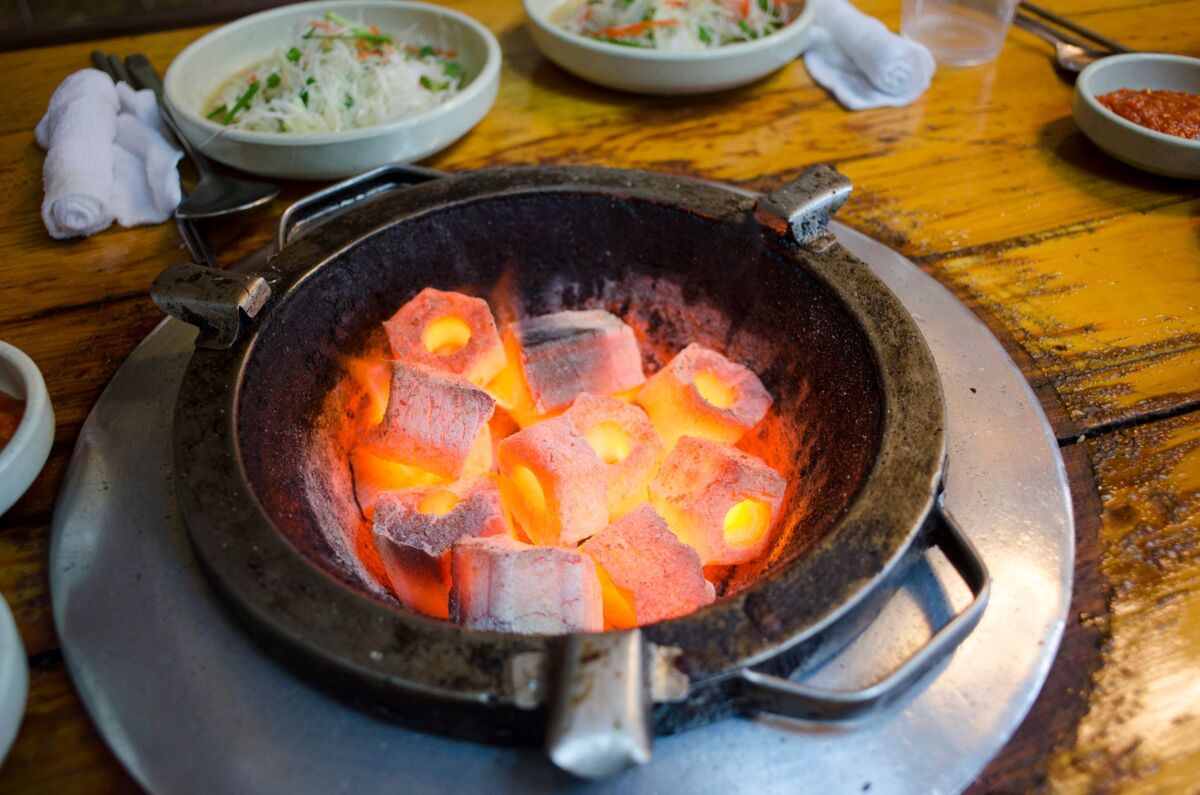
Traditional mookata is cooked over charcoal at open-air coffee shops, and fans swear the smoky char tastes better. The trade-off is real: heat, smoke, a live flame at the table, and the smell that follows you home. Many newer outlets are fully air-conditioned and use gas burners with built-in exhaust pipes, which most parents find far more comfortable with babies, in Singapore's humidity, or on a rainy day.
- Ventilation matters most with kids. Charcoal produces smoke, so choose a well-ventilated or air-conditioned spot, and avoid cramped, smoky corners with babies and anyone who has asthma.
- Charcoal means an open flame. Lovely flavour, but a higher burn risk and harder to manage with toddlers underfoot. Gas outlets are easier to supervise.
- Air-con is the rainy-day, stroller-friendly pick. A sit-down air-conditioned shoplot gives you a backup when the weather turns, plus more room for a pram.
Halal, dietary needs and spice levels
Because classic mookata is pork-based and uses pork fat to grease the dome, families who eat halal need to look specifically for halal-certified outlets that swap pork for chicken, beef and seafood. A few operators market a chicken-based version, sometimes called chickata. Certification can change, so verify a venue is currently MUIS halal-certified directly with the outlet rather than assuming.
For spice, ask for a clear or chicken broth for the children and keep the tom yum on the adults' side. Most sauces can be served on the side so kids dip only what they want. If anyone has a seafood or nut allergy, remember that shared broth and shared tongs make cross-contact likely, so flag it to staff and consider a separate small bowl for the affected child.
Best age range, what to bring, and timing
Mookata works best once children are old enough to understand hot equals do-not-touch, roughly preschool age and up, with close supervision. Babies and crawlers can come along, but they belong in a high chair or carrier well away from the pot, never on a lap beside the dome. School-age kids and teens usually love it most because they can help cook.
- Bring wet wipes. It is a hands-on, slightly messy meal, and at charcoal spots everyone smells of smoke afterwards, so dress down.
- Ask about high chairs and booking. Not every coffee shop has them, and popular outlets fill up fast on weekend evenings. Reserve ahead or arrive early for a larger group.
- Check facilities first. Open-air coffee shops may have basic shared toilets and little room for nursing or nappy changes, while air-conditioned and mall-based spots are usually more parent friendly.
- Go early. An early dinner beats the queues, the heat and the cigarette smoke that builds at alfresco places later on.
Most mookata outlets are an easy MRT or bus ride away, with clusters in areas like Golden Mile, Ang Mo Kio, Yishun, Bedok and Geylang. Heartland coffee shops often have street or HDB carpark parking nearby, while city outlets may rely on paid carparks, so factor that in if you are driving a full car. A few halal and seafood options sit near Marina Bay, so you can pair the meal with a stroll: the outdoor gardens at Gardens by the Bay are free to wander (the conservatories are ticketed), making an easy walk-it-off after dinner. For more places to combine with a meal out, browse our best hawker centres in Singapore for families.
How to pick a good mookata spot
A few quick checks separate a great family mookata from a forgettable one.
- Ventilation and seating. Look for airflow or air-con and enough space between tables so the pot is not jammed against the next family.
- Charcoal or gas. Decide which you want before you arrive, based on your kids' ages and your tolerance for smoke.
- Format and value. Match ala-carte, set or buffet to your group, and check buffet time limits and weekend surcharges.
- Freshness and turnover. Busy outlets tend to have fresher meat and seafood; check raw items are kept properly chilled.
- Halal status if it matters. Confirm current certification with the outlet, not just a third-party listing.
Frequently asked questions
Is mookata safe for young children?
It can be, with supervision. The grill, pan rim and charcoal get very hot and stay hot, so the key is seating: keep babies and toddlers back from the pot edge, do the cooking yourself, and pick a gas, air-conditioned outlet over open charcoal if your kids are very young. Cook all meat and seafood through, and use separate tongs for raw and cooked.
What can fussy or younger eaters have?
Plenty. Plain grilled chicken or beef, noodles and vegetables from the soup, tofu, fishballs and a simple bowl of clear broth are all gentle, non-spicy options. Ask for a chicken or clear broth rather than tom yum, and have sauces served on the side.
How much does mookata cost for a family?
It is generally affordable. Ala-carte plates are usually cheap, set platters are sized for two to four people, and all-you-can-eat buffets charge a flat price per person, often lower on weekdays. Prices vary widely and change often, so confirm with the outlet before you go.
Is mookata halal?
Traditional mookata is pork-based and not halal, but some outlets are halal-certified and use chicken, beef and seafood instead. Always verify a venue's current MUIS certification directly rather than relying on an old listing.
Is mookata the same as steamboat?
Not quite. A standard steamboat is all hotpot, where you boil everything in soup. Mookata combines a barbecue grill in the centre with a soup moat around it, so you get grilled and boiled food from the same pot at the same time.
Do we need to book?
For popular outlets on weekends, yes. Tables fill up fast in the evening, so reserve ahead or arrive early, especially with a larger group or if you need high chairs.
Mookata is as much about the experience as the food, which is exactly what makes it work for families. Pick the right setting for your kids' ages, keep a close eye on the hot grill, cook everything through, and it can become a firm weekend favourite.
Gluten Free and Allergy-Friendly Eating Out in Singapore: A Parent's Guide
A practical parent's guide to gluten free and allergy-friendly eating out in Singapore: allergens, hawker safety, talkin...
9 min read
Cat Cafe Singapore: A Family Guide to Animal Cafes
A parent's guide to the cat cafe Singapore scene and animal cafes: how they work, age rules, etiquette, welfare, and wha...
10 min read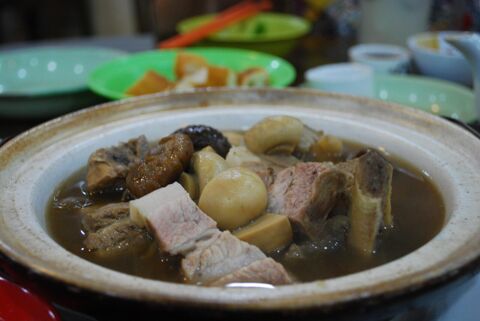
Bak Kut Teh in Singapore: A Family Guide to the Comforting Pork Rib Soup
A parent's guide to bak kut teh in Singapore: peppery vs herbal styles compared, what to order for kids, spice tips and ...
10 min read