

Postpartum pelvic floor recovery in Singapore: what is normal and how to rebuild it
In this article
After birth your pelvic floor, the sling of muscles that supports your bladder, bowel and womb, is stretched and tired, and that is exactly why so many new mums in Singapore notice a bit of leaking, heaviness or weakness in the first weeks. The good news for postpartum pelvic floor recovery is that these muscles can and usually do recover. With gentle pelvic floor (Kegel) exercises started soon after birth, sensible rest, and a check at the right time, most women regain good control. This guide explains what is normal, how to do the exercises, when to start, and when a symptom means you should see a doctor or a women's health physiotherapist.
Pregnancy and delivery, whether vaginal or by caesarean, put real load on the pelvic floor. The weight of a growing baby, hormonal changes that soften tissues, the effort of pushing, and any stitches or tearing all play a part. Recovery is not linear, and comparing yourself to another mum at the same playgroup rarely helps. Some women feel close to normal within weeks, while others need a few months of consistent effort. What matters is steady progress and knowing the signs that need professional input.
What happens to your pelvic floor after birth
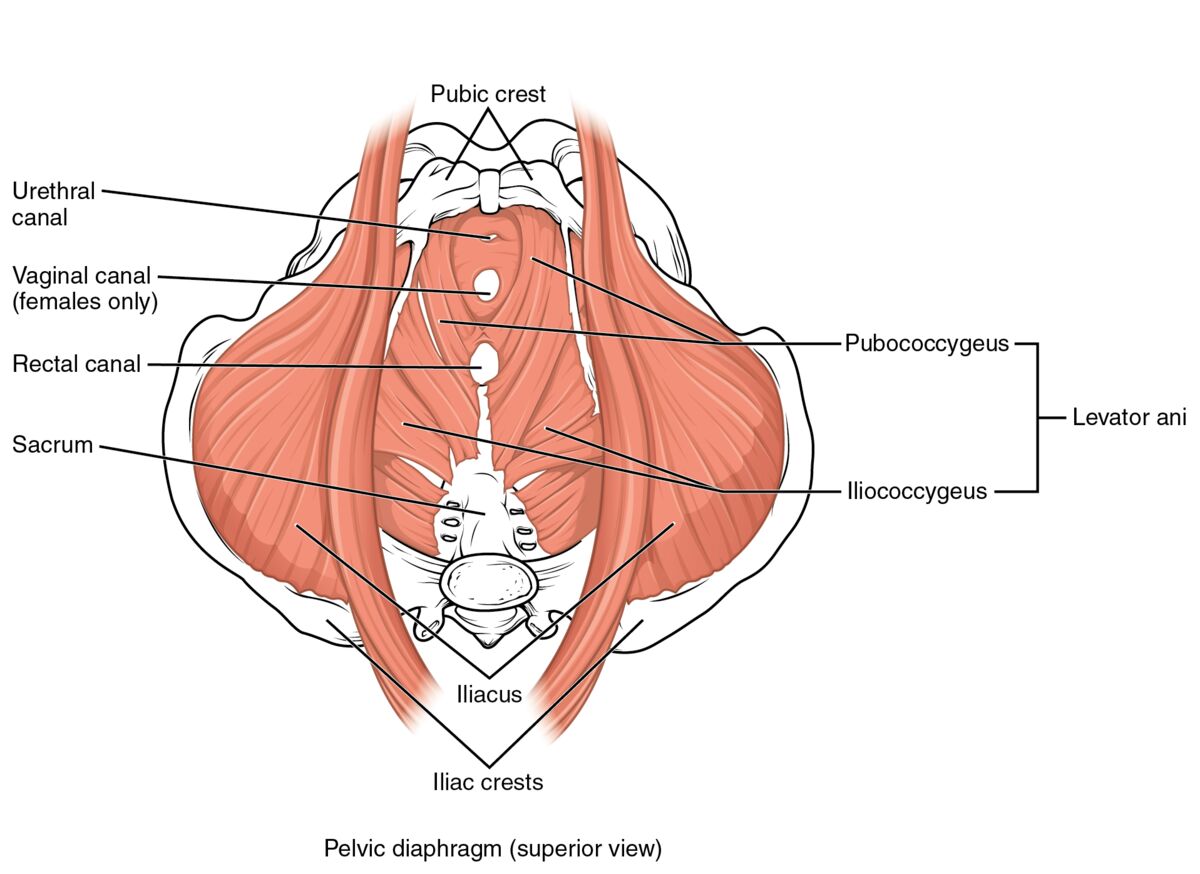
The pelvic floor muscles run like a hammock from your pubic bone to your tailbone. During pregnancy they carry extra weight for months, and during a vaginal birth they stretch significantly to let your baby pass. Even with a caesarean section, the months of pregnancy alone place strain on these muscles, so c-section mums are not exempt from pelvic floor changes.
In the early postpartum period it is common to feel that the area is weak, numb, swollen or simply not yours. You may not feel a clear squeeze when you first try, especially if you had stitches. This is normal early on. As swelling settles and the tissues heal, sensation and strength gradually return, and gentle exercise speeds that along.
- A weaker or absent squeeze in the first days or weeks is common and usually improves.
- Some leaking of urine when you cough, sneeze or laugh can happen early but should settle as you recover.
- Mild heaviness or aching low down often eases with rest and gentle exercise.
- Perineal soreness from a tear or episiotomy can affect how the muscles feel until it heals.
- Recovery continues over weeks to months, not days.
For the bigger picture of healing in the first six weeks, including bleeding, rest and emotional changes, see our guide to postnatal recovery after birth. If you delivered by caesarean, our c-section recovery in Singapore guide covers wound care alongside pelvic floor work.
Pelvic floor (Kegel) exercises and how to do them
Pelvic floor exercises, often called Kegels, are the core of recovery. The aim is to find and strengthen the right muscles without straining the rest of your body. To locate them, imagine you are trying to stop yourself from passing wind and urine at the same time, drawing those muscles up and in. You should feel a gentle lift inside, not a push down.
A simple, evidence-based routine combines slow holds with quick contractions. SingHealth describes doing both, and continuing regularly for at least about four months for the best gains. Here is a practical version you can do lying down, sitting or standing once you are comfortable.
- Slow holds: squeeze and lift the pelvic floor, hold for about 5 seconds, then fully relax. Repeat about 5 times. As you get stronger, you can build up the length of the hold and the number of repeats.
- Quick contractions: squeeze and lift quickly, then immediately let go. Repeat several times. These train the fast response you need when you cough or sneeze.
- Breathe normally throughout. Do not hold your breath.
- Keep your tummy, buttocks and thighs relaxed. You should not be clenching your abdomen or squeezing your bottom cheeks together.
- Always relax fully between each squeeze. The release is as important as the lift.
Consistency beats intensity. Tying the exercises to something you already do every day, such as feeding your baby or waiting for the kettle, helps you remember. A few short sessions across the day are easier to sustain than one long one.
When to start and a week-by-week recovery timeline
Gentle pelvic floor exercises can usually begin soon after birth, often within the first day or two, once you feel able. They help reduce swelling, restore awareness and kick-start recovery. More structured exercise, including return to general postnatal workouts and higher-impact activity, is usually advised after your routine check at around six weeks, and only once your doctor has given the go-ahead. The table below is a general guide; your own timeline depends on your delivery, any tearing or surgery, and how you feel.
| Stage | What you can usually do | What is often normal | Cautions |
|---|---|---|---|
| First few days | Gentle pelvic floor squeezes as you feel able; rest; ice for soreness | Weak or hard-to-feel squeeze; swelling; some bleeding | Do not push into pain; support stitches when needed |
| Weeks 1 to 2 | Continue gentle Kegels little and often; short walks | Mild leaking with cough or sneeze; aching low down | Avoid heavy lifting and high-impact activity |
| Weeks 3 to 6 | Build up slow holds and quick contractions; gradually increase walking | Improving control; less heaviness | Hold off on running, jumping and heavy weights |
| Around 6 weeks | Attend your postnatal check; ask about returning to exercise | Many symptoms settling; clearance often given for more activity | Wait for your doctor's go-ahead before higher-impact exercise |
| After clearance | Structured postnatal exercise; keep doing pelvic floor work for at least about 4 months | Steady strength gains with regular practice | Seek help if leaking, heaviness or pain persists or returns |
When you are cleared to do more, ease back in. The principles in our guide to safe exercise during pregnancy in Singapore carry over to the postnatal period: start low impact, listen to your body, and progress gradually rather than jumping straight back to your pre-pregnancy routine.
When to see a women's health physiotherapist or doctor
Some discomfort and brief leaking can be a normal part of early recovery, but certain symptoms should not be ignored, especially if they persist beyond the first few weeks. Pelvic floor problems are common and treatable, and you do not need to put up with them. In Singapore you can ask your gynaecologist or GP for a referral, and public hospitals such as KK Women's and Children's Hospital, as well as private clinics, offer women's health physiotherapy.
- Leaking urine when you cough, sneeze, laugh or exercise that continues beyond the early weeks.
- Leaking stool or wind, or trouble controlling your bowels.
- A feeling of heaviness, dragging or a bulge in the vagina, which can signal pelvic organ prolapse.
- Ongoing pelvic pain or pain in the perineal area.
- Pain during sex once you have resumed intimacy.
- A pelvic floor that you simply cannot feel working, or no improvement despite regular exercises.
A women's health physiotherapist can assess your muscles, confirm you are exercising correctly, and tailor a programme to your needs. Early help often means faster, fuller recovery. Other parts of your postnatal care, such as postnatal massage in Singapore and traditional confinement practices, can support overall recovery, but they do not replace targeted pelvic floor rehabilitation when symptoms are present.
Frequently asked questions
How soon after birth can I start pelvic floor exercises?
Gentle pelvic floor exercises can usually begin soon after birth, often within the first day or two, once you feel able. They are low risk and help recovery. More structured exercise and higher-impact activity are generally recommended after your check at around six weeks, and only once your doctor has cleared you.
How long should I keep doing them?
Keep going for the long term. SingHealth advises doing pelvic floor exercises regularly for at least about four months to build strength, and many women benefit from making them a lifelong habit. A practical routine is slow holds of about 5 seconds repeated about 5 times, plus a set of quick contractions, done a few times a day.
Is some leaking normal after having a baby?
A little leaking when you cough, sneeze or laugh can happen in the early weeks as your pelvic floor recovers, and it often improves with consistent exercises. However, leaking that continues beyond the early weeks, or any leaking of stool, is a reason to see your doctor or a women's health physiotherapist rather than something to simply live with.
Do c-section mums need to do pelvic floor exercises too?
Yes. The months of pregnancy place load on the pelvic floor regardless of how you deliver, so caesarean mums can still experience weakness, leaking or heaviness. The same gentle exercises apply, alongside care for your abdominal wound. See our c-section recovery guide for more on combining the two.
C-Section Recovery in Singapore: What to Expect
A practical Singapore guide to caesarean recovery: timeline, pain relief, wound care, ERAS, confinement context, breastf...
11 min read
Confinement Food Delivery in Singapore: A Practical Guide
How confinement food delivery works in Singapore: what the meals are, package options, dietary needs, costs to confirm, ...
10 min read
Confinement in Singapore: A Practical First-Timer's Guide
A first-timer's guide to confinement in Singapore: Chinese, Malay and Indian traditions, nanny vs centre vs DIY, foods, ...
12 min read