
Postnatal Massage in Singapore: A Calm, Practical Guide for New Mums
In this article
- What postnatal massage in Singapore usually involves
- The benefits, framed honestly
- Timing: after a vaginal birth vs a caesarean
- Home service vs spa or studio
- What a session and a full course look like
- How to choose a provider
- What it costs, at a guidance level
- Getting the most out of it
- Frequently Asked Questions
The first weeks after a baby arrives are a haze of feeds, broken sleep and a body quietly trying to mend itself. In Singapore, many mums fold postnatal massage into their confinement routine as a way to rest and ease aching muscles. If words like jamu, bengkung or sengkak keep popping up in your mum chats, this guide walks through what the practice involves, what is realistic to expect, how to time it safely around your delivery, and how to pick a therapist you can trust. It is best for mums in the early postpartum stretch who want comfort and recovery support, with clear eyes about what a massage can and cannot do.
What postnatal massage in Singapore usually involves
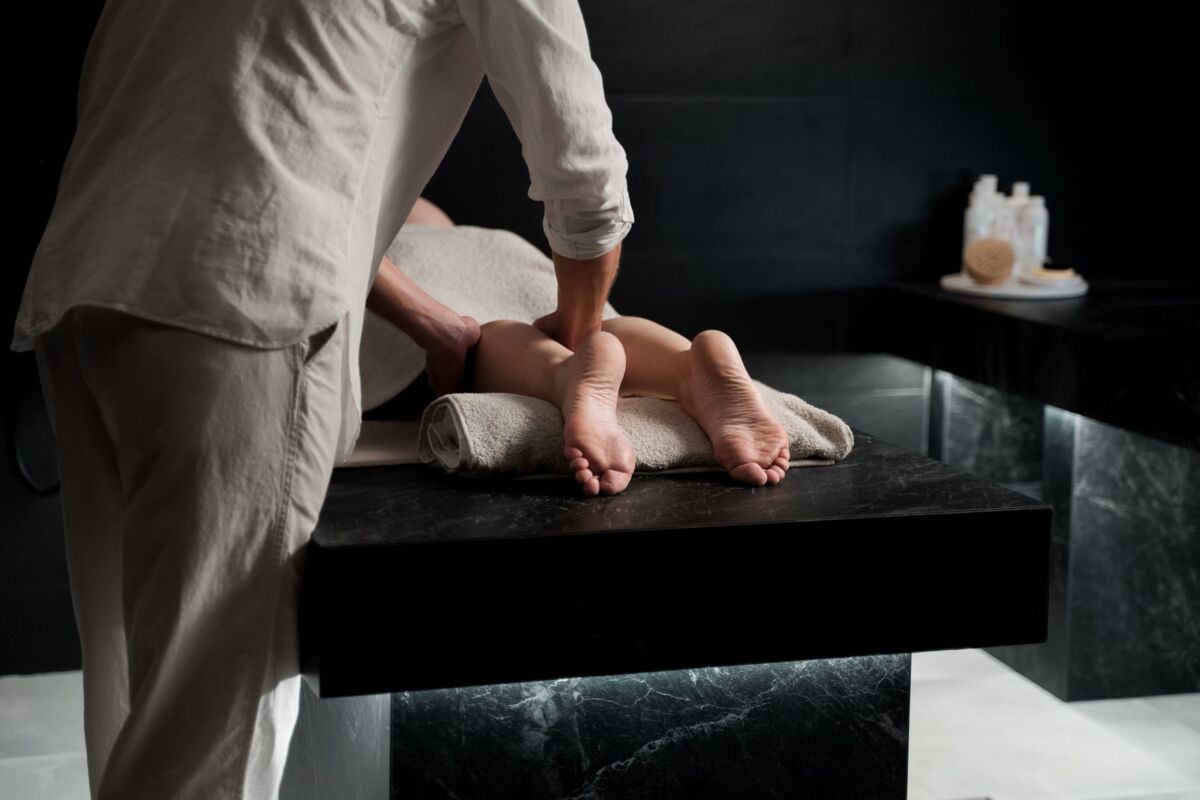
The style you will meet most often here is jamu massage, a traditional Malay and Javanese postpartum practice. A typical session blends warm herbal oils or pastes, often lemongrass, ginger and turmeric, with firm, flowing strokes worked over the whole body. In traditional terms the goal is to soothe tired muscles, support circulation and help a worn-out mum feel cared for. Many sessions also include a separate breast massage that some mums find helpful for easing the fullness of engorgement in those early milk-supply days.
You may also hear the word sengkak, a traditional belly massage said to help the womb area settle after birth. Because it works directly over the lower abdomen, it is the part most therapists hold back on after a caesarean until the wound has fully healed and your doctor has given the go-ahead. If you are unsure what a provider includes, ask them to walk you through each part of the session before you book.
The other signature element is abdominal binding, often called a bengkung wrap: a long strip of cotton or muslin cloth wound snugly around the tummy and lower back after the massage. Some mums find the gentle, even support comforting in the early weeks. It is optional, and plenty of mums skip it entirely.
- Herbal full-body massage: warm oils or pastes with traditional ingredients, applied with firm, flowing strokes from feet upward
- Belly and back work: gentle attention to the abdomen and lower back, eased off or skipped after a caesarean until healed
- Optional breast massage: sometimes offered to ease engorgement; tell the therapist if you would rather skip it
- Abdominal binding (bengkung): a long cotton cloth wrapped around the tummy for support; firm but never tight enough to hurt
- Sold as a course: many providers bundle several sessions across confinement rather than one at a time
The benefits, framed honestly
It helps to set expectations before you book. The genuine value of postnatal massage is rest, relaxation and a sense of being looked after during an exhausting season. A quiet hour with warm oil and someone easing the knots out of your shoulders can leave you feeling calmer, less stiff and briefly off the hamster wheel of feeds and nappies.
Be more careful with the bigger promises. Marketing for these services can lean hard on slimming, getting your figure back, flat tummies, boosting milk supply, removing toxins or even warding off postnatal depression. Treat all of that with healthy scepticism: these are traditional and anecdotal claims, not medically established outcomes, and a massage cannot guarantee weight loss or a changed shape. Real recovery is gradual and individual, shaped by your body and your delivery, not by how tightly a cloth is wrapped. Anything to do with your healing, bleeding, milk supply, mood or pain is a conversation for your doctor. If your mood feels low or overwhelming beyond the usual baby-blues window, please reach out to your doctor or a maternal mental health service rather than relying on massage.
- Realistic to expect: relaxation, easing of muscle tension, a comforting routine, and a dedicated hour of rest
- Not a given: weight loss, a flat tummy, increased milk supply, treatment of any condition, curing illness, removing toxins, or preventing postnatal depression
Timing: after a vaginal birth vs a caesarean
This is the part to get right, because your body needs time before firm massage and binding are appropriate, and your doctor has the final word. The pointers below are general guidance commonly given in Singapore, not advice for your situation. When in doubt, wait longer and ask first.
- Vaginal birth: a common starting point is roughly 5 to 7 days after delivery, but only if your recovery is straightforward. If you had significant tearing, stitches, heavier bleeding or any complication, hold off until you have healed and your doctor is happy.
- Caesarean (C-section): the surgical wound needs much more time. Many therapists suggest waiting around 3 to 4 weeks at the earliest, often until after your postnatal check-up, with no belly work or binding over the area until the scar has fully healed and your gynaecologist agrees.
- Either way: book sessions to begin after, not before, a clear go-ahead. There is no prize for starting early, and a few extra days of healing is always the safer choice.
Home service vs spa or studio
In Singapore you can usually choose between a therapist who comes to your home and visiting a spa or studio. Both are common. The right pick depends less on which is better and more on where you are in your recovery and what your home setup allows.
Home service
- Hugely popular during confinement: no need to leave a newborn or travel while you are still sore, and you can pause for a feed without rushing
- Practical if you are nursing on demand or have no one to mind the baby for an hour
- Ask whether the therapist brings their own table, towels and oils, and confirm the arrival window
- Clear a firm, comfortable surface in advance; many therapists prefer a thin mattress or table over a soft bed for proper support
Spa or studio
- A genuine change of scene that some mums treasure once they feel ready to travel, usually a better fit a few weeks in than in the first week or two
- Check practical access first: lift access, parking or distance from an MRT station, and whether you can bring a pram
- If you are bringing baby along, ask whether the venue is nursing-friendly with somewhere to change a nappy, or arrange for someone to help
What a session and a full course look like
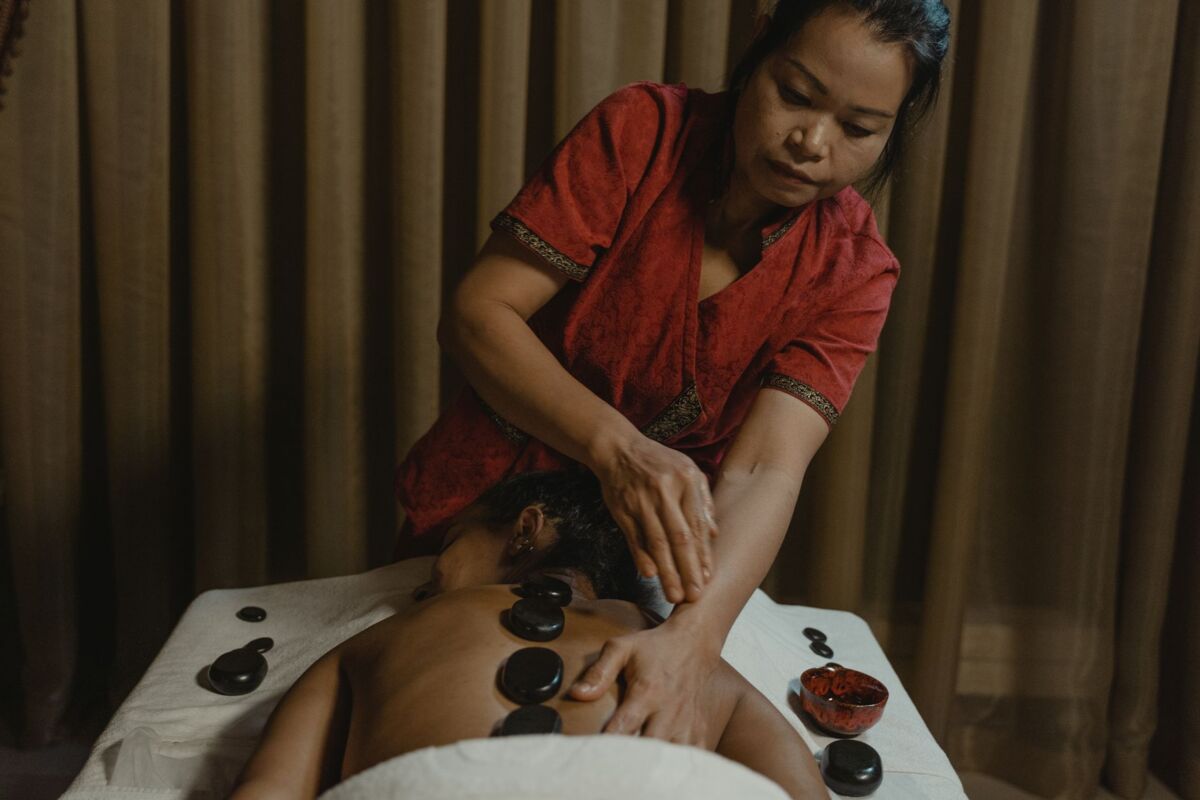
A single session commonly runs between 60 and 90 minutes, though this varies by provider. A good therapist starts with a quick chat about your birth, any allergies or oil sensitivities, and how you are feeling that day, then talks you through the plan. Expect a full-body massage, optional breast and belly work depending on your situation and consent, and the bengkung wrap towards the end if you have chosen it.
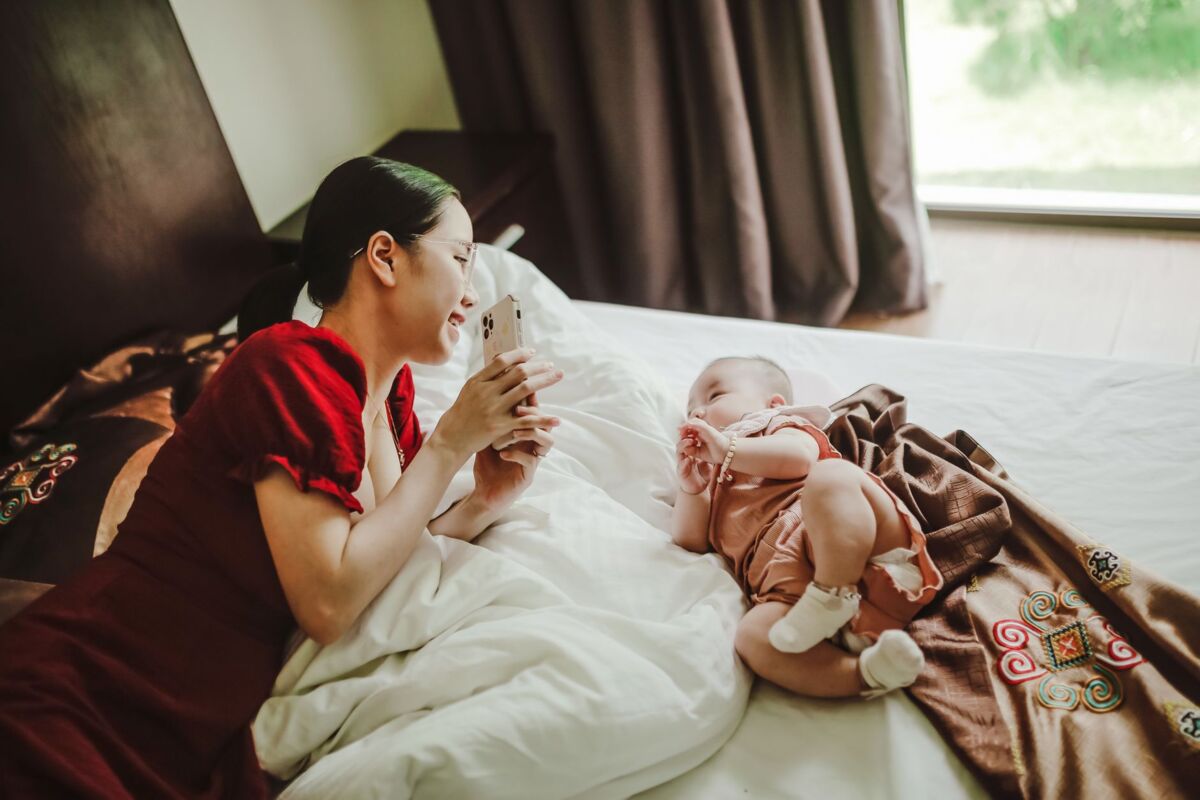
Because the tradition treats recovery as something that unfolds over the confinement weeks, providers typically sell a course of sessions rather than one-offs, spread across the first several weeks postpartum. The number is not fixed, so confirm exactly how many sessions are included and how they are spaced. If you opt for binding, ask how long the wrap should stay on and how to remove it comfortably, and take it off if it ever feels too tight or leaves you breathless.
How to choose a provider
There is no shortage of postnatal massage services in Singapore, from established home-visit brands to confinement-nanny agencies that bundle massage into their packages. A little homework goes a long way, and the best signal is almost always a trained therapist who listens to you.
- Look for trained, experienced postpartum therapists. Postnatal massage is its own skill set, distinct from a regular spa massage, so ask about training and how long they have worked specifically with new mums.
- Read recent, genuine reviews. Word of mouth from friends who have just given birth is gold. Look for comments on professionalism and punctuality, not just glowing one-liners.
- Ask exactly what is included. Number and length of sessions, the oils used, whether the binding cloth is provided, and whether breast or belly work is part of it.
- Check timing and flexibility. Confirm how early they start for your birth type and what happens if a fussy newborn means you need to reschedule.
- Mind hygiene and comfort. Fresh towels, clean equipment, properly stored oils, and a therapist who adjusts pressure the moment you ask.
- Confirm current pricing on the official source. Packages change often, so check the provider's own website or message them directly rather than trusting a figure from elsewhere.
What it costs, at a guidance level
Pricing in Singapore varies widely depending on whether you book a single session or a course, home visit or studio, and what is bundled in. Add-ons like extra binding or breast massage can change the total. Rather than quote a number that may already be out of date, the honest advice is to confirm current pricing and exactly what is included with the provider directly before you commit. Ask what happens if you need to cancel or reschedule, since newborns rarely keep to a calendar.
Getting the most out of it
- Speak up about pressure. Jamu strokes can be firm, but it should never actually hurt. Say so straight away if anything is uncomfortable.
- Plan around feeds. A session soon after a feed often means a calmer baby and a more relaxed you.
- Have help nearby. Even a partner in the next room makes the hour far easier, especially for a home visit.
- Keep the wrap sensible. Binding should feel supportive, not constricting, and should never sit over an unhealed wound. Loosen or remove it if it feels too tight.
- Listen to your body. Recovery is not a race. Stop and check with your doctor if you notice pain, increased bleeding, fever or anything that does not feel right.
Postpartum asks a lot of you, so caring for yourself in other ways matters too. Gentle movement once you are cleared, like the breathing and stretching in our look at family-friendly yoga in Singapore, can complement the rest a massage gives. If you are weighing up traditional approaches more broadly, our overview of TCM for families in Singapore explains how they sit alongside conventional medical care. And if a second little one is on the way, our guide to introducing a new baby to a toddler can help you plan the weeks around the birth. Related reading: our guides to C-section recovery.
Frequently Asked Questions
Is postnatal massage safe?
For many mums with a straightforward recovery it can be a comforting part of confinement, but safety depends entirely on your situation. Get your doctor's clearance before your first session, especially after a caesarean or any complications, and avoid it if you have a fever, an infection, an unhealed wound or any condition your doctor has flagged. Tell your therapist about your birth and health so they can adjust or postpone.
When can I start after a C-section?
Later than after a vaginal birth. The wound needs time, so many therapists suggest waiting around 3 to 4 weeks at the earliest, often until after your postnatal check-up, with no belly work or binding over the scar until it has fully healed. Treat that as general guidance only and get your gynaecologist's specific go-ahead first.
Will it help me lose the baby weight or flatten my tummy?
Treat slimming and flat-tummy claims with caution. Postnatal massage and binding can leave you feeling relaxed and supported, but they are not a weight-loss treatment and cannot guarantee a changed shape. Genuine recovery takes time and is different for everyone. Talk to your doctor about safe postpartum activity and nutrition when you are ready.
Do I have to do the abdominal binding?
No. Binding is optional. Some mums find the steady support comforting while others skip it entirely, and both are completely fine. If you had a caesarean, hold off on any tummy work and binding until your scar has fully healed and your doctor agrees. Whenever you do wrap, keep it firm but never so tight that it pinches or makes breathing harder.
How many sessions do I actually need?
There is no fixed number. Many providers sell a course of sessions spread across the confinement weeks, but the right amount depends on you, your recovery and your budget. Confirm the number of sessions, how they are spaced and the current price directly with the provider before booking.
Home visit or spa, which is better for a newborn?
In the very early weeks a home visit is usually easier, since you do not have to travel or leave the baby and can pause for feeds. A spa or studio can be a lovely change of scene a few weeks in. If you go out, check lift access, parking or MRT distance, and whether the venue is nursing and pram friendly.
Postnatal massage can be a lovely way to feel looked after during a demanding stretch, as long as you go in with realistic expectations, your doctor's blessing and a therapist you trust. For more on settling into life with a new baby, browse our wider Fussy Mama blog.
Childhood Myopia in Singapore: A Parent's Guide to Signs, Prevention and Eye Checks
A Singapore parent's guide to childhood myopia: why it is so common, early signs, outdoor and screen habits that help, e...
11 min read
Choosing a Paediatrician in Singapore: A Practical Guide for Parents
How to choose a paediatrician in Singapore: GP vs polyclinic vs private PD, cost guidance, vaccinations, first-visit tip...
12 min read
Mosquito Repellent for Kids in Singapore: A Parent's Guide to Dengue Protection
How to choose mosquito repellent for kids in Singapore by age, protect babies from dengue, cover up, use nets, clear sta...
11 min read