

Pottery Classes in Singapore: A Family Guide to Clay Fun With Kids
In this article
- Pottery painting, hand-building and wheel-throwing: what is the difference?
- Why pottery is so good for kids (and for tired parents)
- What age can kids start pottery?
- Class formats: drop-in, courses, parent-child and parties
- What to expect on the day (and why your pot comes home later)
- How to choose a pottery studio for your family
- How much does a pottery class cost in Singapore?
- Frequently asked questions
There is something quietly magical about watching a child sink both hands into a lump of cool, wet clay. No screen, no buttons, no scoreboard, just squishing, shaping and the occasional gleeful mess. A pottery class in Singapore has become one of the loveliest ways for families to slow down and make something real together, and studios all over the island welcome little hands. This guide is for parents weighing up their first booking: we explain the three things people lump together as "pottery", which type suits which age, what happens on the day, roughly what it costs, and how to choose a studio that fits your family.
Pottery painting, hand-building and wheel-throwing: what is the difference?
When parents say "pottery class" they usually mean one of three quite different activities. Knowing which is which is the most useful thing before you book, because each suits a different age and a different mood.
Pottery painting (decorating a ready-made piece)
This is the gentlest entry point and often the best first taste for very young children. The studio hands you a piece that has already been shaped and fired, a plain mug, plate or little animal, and you paint it with coloured glazes. There is no shaping involved, so even a toddler can join in, and the mess is paint rather than wet clay. The studio then fires it again so the colours set and the surface goes glossy, all without the physical demands of working raw clay.
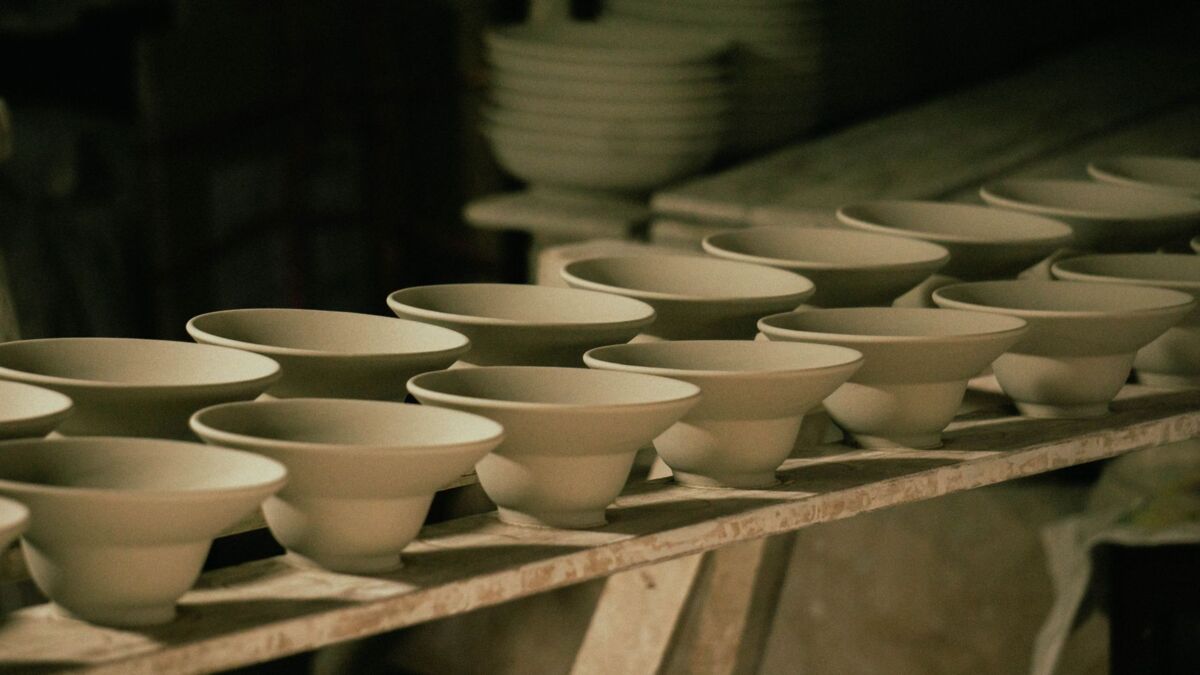
Hand-building (shaping with your hands, no wheel)
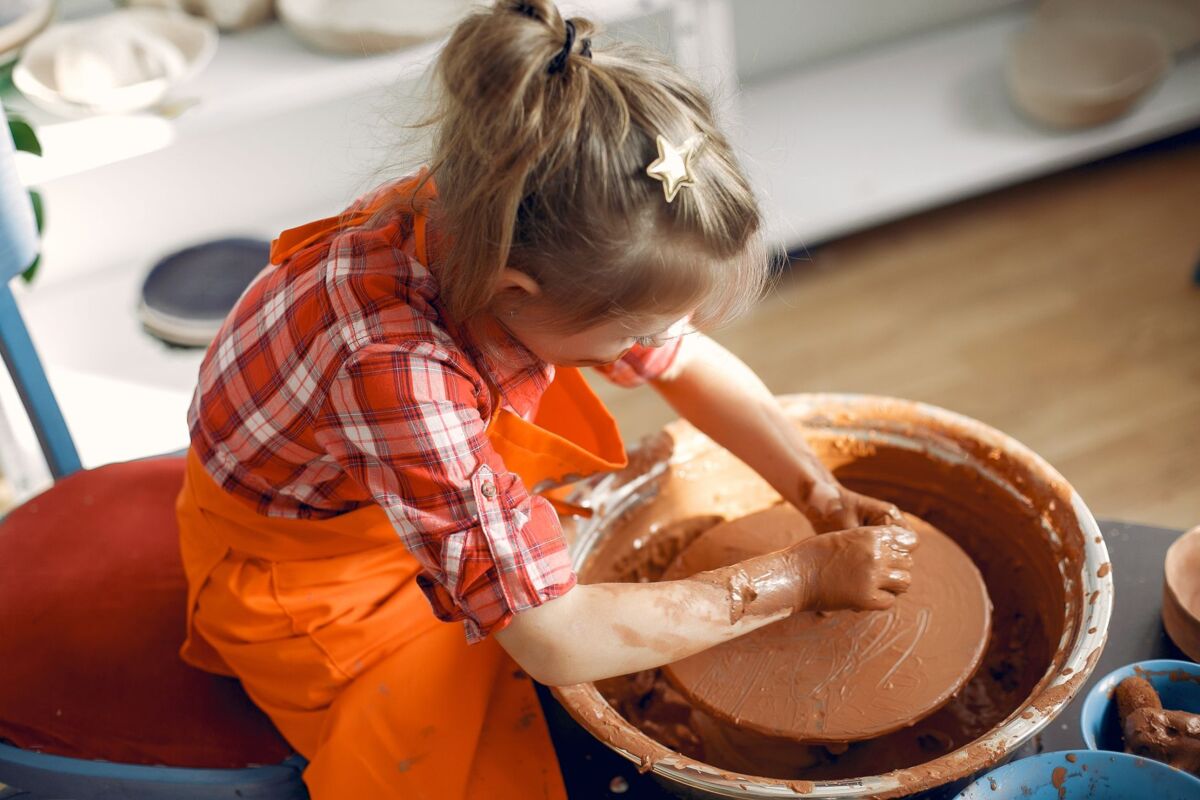
Hand-building uses no wheel at all. You build with your fingers and simple tools, pinching a pot from a ball, rolling and stacking coils, or flattening clay into slabs and joining them, a bit like playdough but for keeps. It is forgiving and very tactile, which makes it the go-to for younger children and for parent-and-child sessions. Preschoolers can pinch a wobbly little bowl or press patterns into a flat tile and walk away feeling like proper artists.
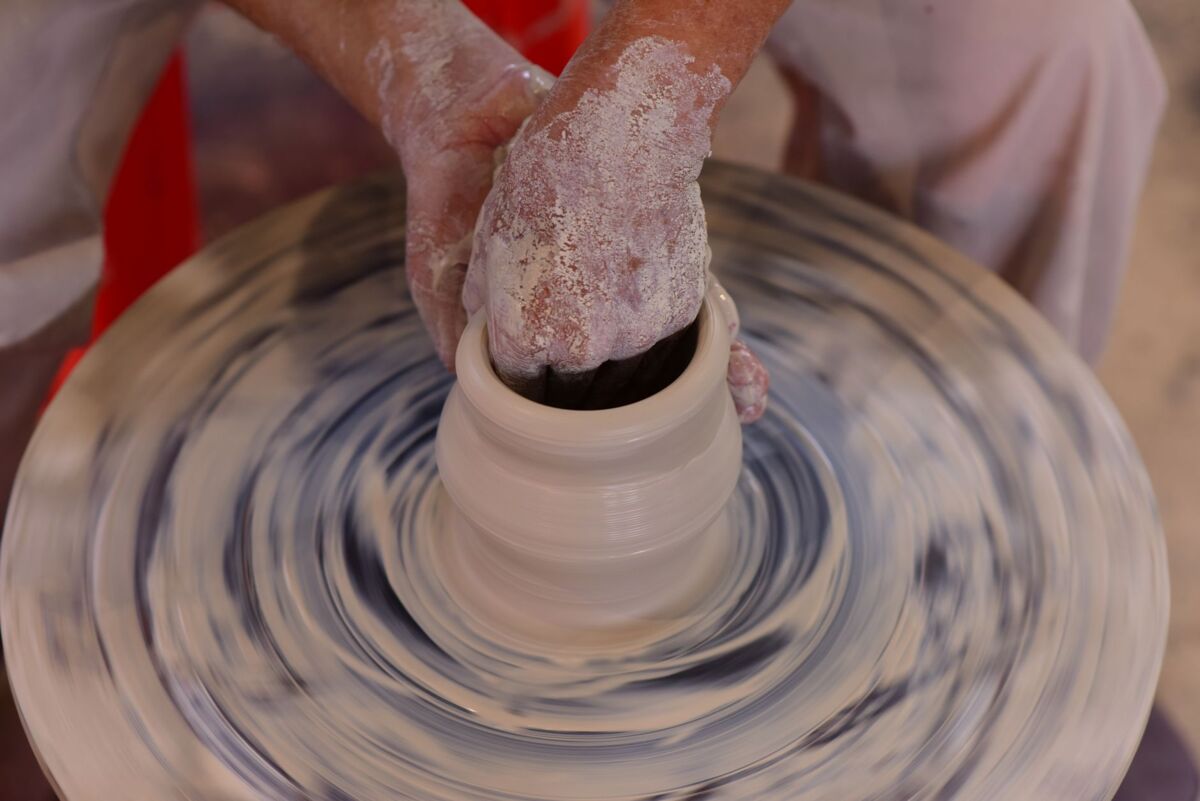
Wheel-throwing (the spinning potter's wheel)
This is the one everyone pictures: you sit at a spinning wheel, centre a ball of clay and coax it up into a bowl or cup as it turns. It looks dreamy but it is genuinely tricky, needing steady hands, focus and a bit of strength, which is why studios usually set a higher minimum age. It is brilliant for tweens, teens and adults, and some studios let younger children try with an instructor's hands guiding theirs. Check the studio's age guide before booking a wheel session.
Rule of thumb: pottery painting suits the very youngest and the impatient; hand-building suits young children and parent-child bonding; wheel-throwing is better for older kids, teens and adults. Many studios offer all three, so you can match the class to the child.
Why pottery is so good for kids (and for tired parents)
Clay is one of the few activities that ticks a box for almost everyone in the family at once. Here is why parents keep going back:
- It is screen-free and genuinely calming. The slow, repetitive squishing and smoothing is naturally soothing, the kind of focused play that helps a wound-up child settle.
- It builds real fine motor skills. Pinching, rolling and pressing clay strengthens little hands and sharpens the same control kids use for holding a pencil and cutting with scissors.
- It is a rich sensory experience. Cool, soft, slightly resistant clay gives loads of tactile feedback, which many children find regulating and absorbing.
- It rewards patience and focus. A pot cannot be rushed, a gentle lesson in slowing down and seeing something through.
- Mess is the point. For kids who love getting grubby, this is permission to dive in, and the studio handles the clean-up, not you.
- Everyone makes something real. At the end you each have a one-of-a-kind piece to keep or give away, which feels very different from a worksheet or an app.
Because it is indoors and air-conditioned, pottery is also a reliable rainy-day and school-holiday option when outdoor plans fall through. It sits naturally alongside our guides to enrichment classes in Singapore and creative music classes for kids.
What age can kids start pottery?
There is no single islandwide rule, but the activity type is a good guide:
- Toddlers and young preschoolers (roughly 2 to 4): best suited to pottery painting and very simple hand-building, ideally in a parent-child format. Expect short attention spans and lots of help.
- Preschool to lower primary (roughly 4 to 7): happy with hand-building such as pinch pots, coil pots and pressed tiles, and with painting. Some can manage assisted time at the wheel.
- Upper primary and tweens (roughly 8 to 12): often the sweet spot for first proper wheel-throwing attempts, as well as more ambitious hand-building.
- Teens and adults: the full range, including multi-session wheel courses that build real skill.
Minimum ages vary a lot by studio and by class type within the same studio, so treat the above as a starting point and confirm the youngest age accepted when you enquire.
Class formats: drop-in, courses, parent-child and parties
Singapore studios usually offer a few different formats. Think about who is joining, how old they are and how keen they are before you pick one.
One-off workshops and drop-ins
A single session, often one and a half to three hours, where you make or paint one piece. This is the ideal taster: low commitment, great for a weekend outing, and an easy way to find out whether your child takes to clay before you commit to more.
Multi-week courses
A short course of several sessions suits a child who is genuinely hooked, especially at the wheel where skill comes with repetition. Courses cost more overall but usually work out better value per session and give kids the satisfaction of progressing.
Parent-child workshops
These are made for bonding, with a grown-up and child working side by side. They are perfect for younger children who are happier with a parent close, and you will get your own hands muddy too, which is half the fun. Minimum ages vary, so confirm the youngest age accepted when you book.
Birthday parties and group sessions
Many studios host birthday parties and private group bookings, where each child paints or makes a piece to take home as a built-in party favour. These usually need booking well ahead and may have a minimum number of guests, so enquire early and ask what is included and how the finished pieces get back to your guests once they are fired.
What to expect on the day (and why your pot comes home later)
First-timers are often surprised by how the day flows, so here is the honest version.
- You will get messy, and that is fine. Most studios provide aprons, but wear old clothes underneath, tie back long hair and keep nails short-ish, since clay loves getting underneath them.
- You make or paint your piece in the session. An instructor demonstrates, then walks around helping as everyone shapes a bowl, mug or little sculpture, or decorates a ready-made piece.
- Then it has to dry and be fired. Here is the bit many parents miss: pottery is not finished when you leave. Raw pieces must dry slowly, then go through a kiln firing, and a glazed piece is usually fired a second time before it becomes hard and usable.
- You collect it weeks later. Because studios wait to fill a kiln before firing, the whole process commonly takes a few weeks, so your piece is ready for pickup later, not on the day. Ask when you book whether they can post it to you if returning is a hassle.
How to choose a pottery studio for your family
There are plenty of good options around the island, from town to the heartlands. Rather than chasing one famous name, weigh up what matters for your family:
- Age suitability. Confirm the minimum age and whether the class is painting, hand-building or wheel-throwing, and whether your child's age is squarely catered for or just barely accepted.
- Class format. A relaxed one-off workshop is great for a taster; a course suits a child who is truly keen.
- Group size and ratio. Smaller classes mean more hands-on help, which matters for little ones at the wheel.
- Location and getting there. Pick something near an MRT or with parking if you have a wriggly toddler, so the trip home is easier when they are tired and clay-stained.
- Trial first. Where possible, book a single session before signing up for a course, so you commit only once you know your child enjoys it.
- Pickup and cost. Ask how and when you collect fired pieces and whether they post, and check whether the price covers clay, tools, firing and glazing, as firing is sometimes charged on top.
Practical things parents only think of afterwards
A few small details make a clay outing with young kids far smoother:
- Stroller and lift access. Some studios sit in walk-up shophouses or industrial buildings, so if you are bringing a pram, ask about lift access in advance.
- Diaper and nursing needs. With a baby in tow, check for a nearby toilet with a changing table and a quiet corner for feeding, as small studios may not have these.
- Crowd and timing. Weekend and school-holiday slots book up fast and run fuller, so a weekday or early slot is usually calmer for a young child.
- Spare clothes and a snack. Even with an apron, sleeves and knees find the clay, so pack a change of clothes, a plastic bag and a snack for the trip home.
For a heritage angle, families sometimes seek out Thow Kwang Pottery Jungle in the far west of Singapore, run by the Tan family since 1965 and home to Singapore's oldest surviving wood-fired dragon kiln. It has offered educational tours and pottery workshops since 2001, so a visit is part pottery class, part living history lesson. Confirm current workshops, ages and prices on the official Thow Kwang website before you go, as schedules change.
How much does a pottery class cost in Singapore?
Prices change often and vary widely between studios, so treat this only as a guide and confirm the latest fees before booking. As a rough sense of the ladder: a short pottery-painting or drop-in session is usually the most affordable; a one-off hand-building or wheel-throwing workshop typically costs more than simple painting; and a multi-session course costs more again, though it often works out better value per class. Watch for firing and glazing, which some studios include and others charge separately, and for parent-child sessions, which may be priced per pair or per person. A single drop-in is the safest way to try clay without overcommitting. For more ideas, browse the Fussy Mama learn hub, or plan around our guide to kids sports classes in Singapore.
Frequently asked questions
What age can kids start pottery in Singapore?
It depends on the activity and the studio. Very young children, including some toddlers, can join pottery-painting and simple hand-building sessions, often in a parent-child format. Hand-building suits preschoolers and up, while wheel-throwing usually has a higher minimum age. There is no single islandwide rule, so check each studio's age guide before booking.
What is the difference between pottery painting and making pottery?
Pottery painting means decorating a piece that has already been shaped and fired, so there is no clay-shaping and even little ones can do it. Making pottery means forming the piece yourself, either by hand-building or on a wheel. Painting is the gentler, less messy starting point; shaping is more hands-on and physical.
Do we take our pottery home the same day?
Usually not. Pieces need to dry and then be kiln-fired, often with a second firing after glazing, a process that commonly takes a few weeks. You collect your finished work later. Ask the studio about pickup timing and whether they can post it to you.
What should my child wear and bring?
Old, comfortable clothes that can get stained, with sleeves that push up easily. Tie back long hair and keep nails short. Most studios supply aprons and tools, but a spare set of clothes, a plastic bag and a small snack for the trip home are always worth packing.
Is pottery good for young children?
Yes. Working with clay supports fine motor skills, hand strength, patience, sensory regulation and creative confidence, and it is a calming, screen-free activity the whole family can enjoy together. Just match the class type to your child's age so the session is fun rather than frustrating.
Can we do pottery as a family or for a birthday?
Absolutely. Many studios run parent-child workshops and host birthday parties or private group bookings, where each child takes home their own piece once it is fired. Book ahead, ask about minimum numbers and what is included, and check how finished pieces are returned to your guests.

How to Choose the Best Preschool in Singapore: A Parent's Guide
How to choose the best preschool in Singapore for your child: centre types, curriculum, fee ranges, ECDA subsidies, wait...
11 min read
Childcare Centres in Singapore: A Parent's Guide to Infant Care, Subsidies and Choosing the Right One
How childcare centres in Singapore work: infant care vs full-day childcare, ECDA operators, subsidies, waitlists, fees a...
10 min read
Children's Libraries in Singapore: A Parent's Guide to NLB
A parent's guide to NLB children's libraries in Singapore: kids' sections, story times, free membership, the NLB app, Li...
11 min read