

Expecting Twins in Singapore: Signs, Care and What to Expect
In this article
- How twins and multiples actually happen
- Early signs people notice (and why a scan is the only proof)
- Why the early dating scan matters so much
- Twin pregnancies are managed as higher-risk in Singapore
- Common considerations and complications to know about
- Delivery: where, when and how
- Practical preparation for twins
- When to seek care
- Frequently asked questions
Finding out you might be carrying twins can feel like the floor shifts under you, in the best and most overwhelming way. Maybe your nausea is fiercer than friends described, your bump grew faster than the apps predicted, or a relative who had twins planted the idea in your head. This guide is for Singapore parents who suspect or have just confirmed a twin or multiple pregnancy, and who want a clear, honest picture of how it tends to be managed here. We will walk through how twins happen, the early clues people notice, why that first scan matters so much, the closer monitoring you can expect, and how to prepare your body, home and budget. Throughout, one rule holds: only a scan can confirm twins, and your own obstetrician's advice always comes first.
How twins and multiples actually happen
There are two main ways a twin pregnancy begins, and the difference shapes nearly everything about how you will be cared for. Knowing which type you have is one of the first things your care team will want to establish.
Fraternal (non-identical) twins
Fraternal twins, also called dizygotic twins, happen when two separate eggs are released and fertilised by two different sperm in the same cycle. Each baby has its own genetic make-up, just like any siblings born years apart, so they can be the same or different sexes and may look quite different. Fraternal twins are the more common type. The likelihood rises with the mother's age, a family history of fraternal twins on the mother's side, and the use of fertility treatments such as IVF or ovulation-stimulating medication, which are increasingly common in Singapore.
Identical twins
Identical twins, or monozygotic twins, form when a single fertilised egg splits into two embryos. They share the same genetic material and are usually the same sex. Identical twinning happens largely by chance and is not strongly linked to age or family history. Identical twins need particularly careful watching because, depending on exactly when the egg split, they may share a placenta, which introduces specific risks discussed below.
Triplets and higher-order multiples follow the same logic, sometimes a mix of splitting and multiple eggs, and are managed as higher-risk pregnancies with even closer monitoring.
Early signs people notice (and why a scan is the only proof)
Many mothers carrying twins say something felt different early on. These signs are worth paying attention to, but none of them confirms twins. Plenty of women with singleton pregnancies have all of these symptoms, and some twin mothers have a surprisingly easy first trimester. Treat the following as reasons to ask your gynae, not as a diagnosis.
- Stronger nausea and vomiting, sometimes earlier and harder to settle than expected, partly because pregnancy hormone levels can run higher with twins
- A bump that seems to grow faster, or a uterus that measures larger than your dates suggest
- Deeper fatigue, beyond the usual first-trimester tiredness, as your body works to support two babies
- More breast tenderness and appetite changes
- In later weeks, feeling movement in several places at once (though this is unreliable and easy to misread)
The honest truth is that you cannot count kicks, measure your bump or read your symptoms and know you are having twins. An ultrasound is the only way to confirm it. If your nausea is severe, read our practical round-up of morning sickness remedies in Singapore, and see common pregnancy discomforts by trimester for what is normal and when to flag it.
Why the early dating scan matters so much
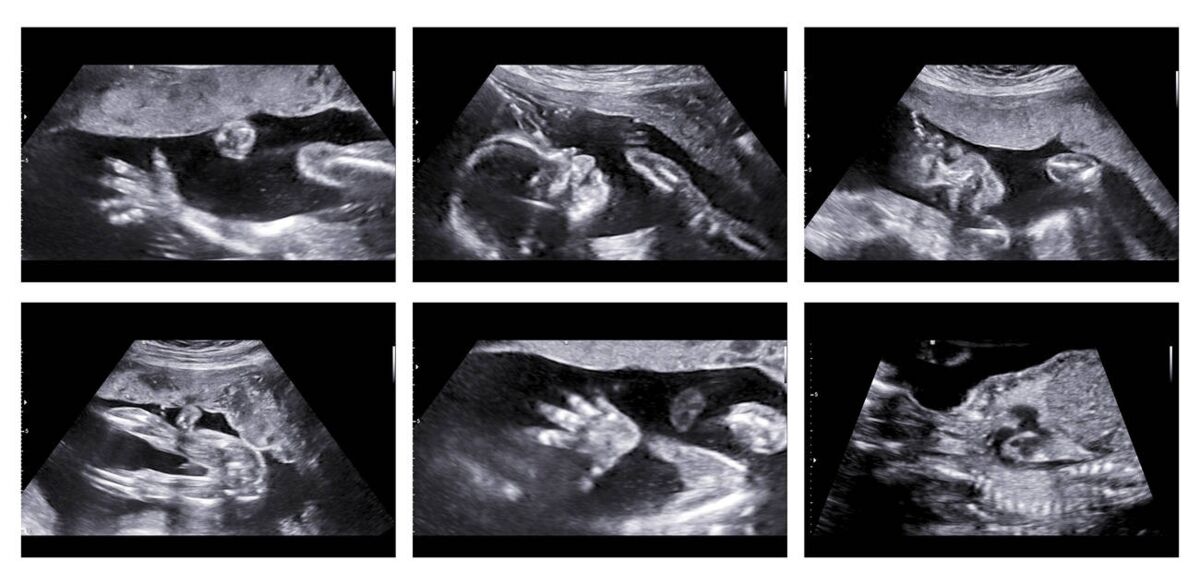
The single most important appointment in a twin pregnancy is the early dating scan, usually done around 10 to 12 weeks (some clinics pick up twins as early as 6 to 8 weeks). Beyond confirming how many babies you are carrying and dating the pregnancy, this scan establishes two things that drive your entire care plan: chorionicity and amnionicity.
- Chorionicity tells your team whether the babies share one placenta (monochorionic) or have separate placentas (dichorionic). Shared-placenta twins carry extra risks and are monitored more intensively.
- Amnionicity tells whether each baby has its own amniotic sac (diamniotic) or they share one (monoamniotic). Sharing a sac is uncommon and considered higher risk.
Crucially, chorionicity is far easier and more reliable to determine in the first trimester than later on. This is why an early scan is not just a nice-to-have for twins; it sets the safety baseline for the whole pregnancy. If you have not yet settled on a clinic, our guide on how to choose a gynae in Singapore covers what to look for, and you can read the full picture in prenatal checkups and scans in Singapore.
Twin pregnancies are managed as higher-risk in Singapore
In Singapore, twin and multiple pregnancies are routinely treated as higher-risk, not because something is wrong, but because two babies place greater demand on your body and leave less room for things to go unnoticed. Restructuring expectations around this early helps. You can expect more frequent antenatal visits and more growth scans than a singleton pregnancy, with the schedule stepping up further if your twins share a placenta. Major maternity units such as KK Women's and Children's Hospital, the National University Hospital and Singapore General Hospital, alongside private hospitals like Thomson Medical, Mount Elizabeth and Gleneagles, all have maternal-fetal medicine teams experienced in multiples.
More monitoring sounds daunting, but most parents find it reassuring once they understand the reasons. The closer watch is what allows small problems to be caught and managed early.
Common considerations and complications to know about
You do not need to fear every item on this list. Many twin pregnancies proceed without major complications. The point of knowing them is so that nothing feels like a shock, and so you understand why your team monitors what they do.
More weight gain and higher nutritional needs
Carrying two babies generally means gaining more weight than a singleton pregnancy, and your needs for energy, protein, iron and folate are higher. Your gynae or a dietitian will guide a target range that suits your starting weight and health rather than a one-size figure. Eating well matters more than ever; see our guide to eating well in pregnancy in Singapore for practical, local food ideas.
Higher chance of gestational diabetes
Twin pregnancies carry a higher chance of gestational diabetes, where blood sugar rises during pregnancy. You will likely be screened, and if it develops, it is managed with diet, monitoring and sometimes medication. Our piece on the gestational diabetes diet in Singapore explains how to adjust local meals sensibly.
Pre-eclampsia and raised blood pressure
Pre-eclampsia, a condition involving high blood pressure and signs of strain on organs such as the kidneys, occurs more often in twin pregnancies. This is one reason your blood pressure and urine are checked at every visit. Tell your team promptly about severe headaches, vision changes, sudden swelling or upper-abdominal pain.
Anaemia
Supporting two babies draws heavily on your iron stores, so anaemia (low red blood cells) is more common. It is usually picked up on routine blood tests and managed with diet and iron supplements as advised.
Preterm birth
The most likely reason twins arrive differently from singletons is timing. Twins are commonly born before 37 weeks, and many spend time in a neonatal unit for support with breathing, feeding, temperature or jaundice while they finish maturing. Knowing this in advance, and knowing your hospital has the right facilities, takes a lot of the fear out of it.
Twin-to-twin transfusion syndrome (TTTS)
In identical twins who share a placenta, blood can flow unevenly between the babies through shared vessels, a condition called twin-to-twin transfusion syndrome. This is why monochorionic twins are scanned more frequently, often every couple of weeks, so it can be detected and treated early if it appears. It does not affect twins with separate placentas.
Delivery: where, when and how
There is no single right way to deliver twins. The plan depends mainly on chorionicity, the position of each baby, how the pregnancy has progressed and your own preferences. A few patterns are common enough to expect.
- Earlier delivery is likely. Twins are often delivered before the full 40 weeks, and your team will recommend a window based on your specific situation, particularly if the babies share a placenta.
- Where you deliver matters. A hospital with a neonatal intensive care unit (NICU) is the safe choice, since twins are more likely to need newborn support.
- Vaginal birth is often possible, especially if the first baby (the one lower down) is head-down and the pregnancy has been straightforward.
- A planned caesarean section is recommended in many twin pregnancies, for example when the leading baby is not head-down, when the babies share an amniotic sac, or when other concerns make it the safer route.
- Even a planned vaginal birth may convert to a caesarean during labour if the second twin's position or wellbeing requires it, so flexibility is wise.
It helps to talk these scenarios through before labour. Our birth plan guide for Singapore walks you through documenting preferences while staying open to medical advice, and watch for the signs of labour in Singapore guide so you know when to head in.
Practical preparation for twins
Beyond the medical side, twins reshape your daily life, and a little planning saves a lot of stress later. The themes are simple: rest more, line up help, and buy smart rather than double of everything.
Protect your rest
You will tire faster, so rest is not indulgent, it is part of the care. Plan to slow down earlier than singleton mums, and ask your employer about adjustments if your work is physically demanding. Comfort gets trickier as your bump grows large; our notes on pregnancy sleeping positions can help. If you stay active, do it gently and with clearance, as covered in our guide to safe exercise during pregnancy.
Line up help at home
Two newborns at once is genuinely demanding, especially overnight. Many Singapore families plan extra support early, whether that is a confinement nanny, a helper, grandparents or a roster of relatives. Decide who is doing what before the babies arrive, not in the sleep-deprived blur afterwards.
Double up sensibly, not blindly
You need two car seats and enough feeding and changing supplies for two, but you do not need two of everything. A twin or double stroller, extra muslins and bottles, and a larger nappy stockpile matter more than duplicate big-ticket items. Pack early too, since twins can come sooner; our hospital bag checklist for Singapore is a useful starting point, with a little extra for two.
Antenatal classes that cover multiples, or simply asking your educator about feeding and settling two babies, are worth the time. Browse our wider library of pregnancy guides on the blog as you go. Try our free Chinese gender predictor (just for fun).
When to seek care
Frequently asked questions
When can twins be confirmed?
Twins are most reliably confirmed by ultrasound, often visible from around 6 to 8 weeks, with the important dating and chorionicity scan usually done around 10 to 12 weeks. Symptoms and blood tests can raise suspicion, but only a scan confirms it.
Does carrying twins always mean a caesarean?
No. Many women deliver twins vaginally, particularly when the first baby is head-down and the pregnancy has been uncomplicated. A caesarean is recommended in specific situations, such as when the leading baby is not head-down or the twins share an amniotic sac. Your team will advise based on your scans and the babies' positions.
Will I have more scans and appointments?
Yes. Twin pregnancies are managed as higher-risk, so you can expect more frequent antenatal visits and more growth scans than a singleton pregnancy. Twins sharing a placenta are usually scanned even more often to watch for complications like TTTS.
Are twins always born early?
Not always, but earlier delivery is common, frequently before 37 weeks. Your team will discuss a recommended delivery window for your situation, and choosing a hospital with a neonatal unit means support is on hand if your babies need it.
What raises the chance of having twins?
For fraternal twins, the main factors are older maternal age, a family history of fraternal twins on the mother's side, and fertility treatments such as IVF. Identical twins happen largely by chance and are not linked to these factors.
How is a twin pregnancy followed week by week?
The broad milestones mirror any pregnancy, but with closer monitoring and an earlier finish line. Our pregnancy week-by-week guide for Singapore gives the general timeline, which your gynae will adapt for twins.

Antenatal Classes in Singapore: A First-Time Parent's Guide
Antenatal classes in Singapore explained: what prenatal classes cover, KKH/NUH/Thomson options, when to start, costs, an...
10 min read
Writing a Birth Plan in Singapore: A Flexible Guide for Mums-to-Be
How to write a flexible birth plan in Singapore: pain relief, birth positions, skin-to-skin, vitamin K, C-section and po...
9 min read
Breast cancer in pregnancy in Singapore: a calm, careful guide
A gentle, factual guide to breast cancer in pregnancy in Singapore: how it is diagnosed and treated safely, and where to...
9 min read