

How to reduce pregnancy stretch marks: what actually works
In this article
Here is the honest answer most mums in Singapore are looking for: you cannot reliably prevent pregnancy stretch marks, and no cream or oil has been proven to stop them forming. Pregnancy stretch marks happen deep in the skin and are driven largely by genetics, hormones and how fast your bump grows. What you can do is lower your risk a little, keep your skin comfortable, and improve the appearance of marks over time. Most fade from red or purple to a paler silvery colour on their own, and there are post-pregnancy treatments that can help them look smoother.
This guide cuts through the marketing. We will explain why stretch marks form, which everyday habits are sensible versus overhyped, and which clinical options can genuinely improve older marks. The goal is realistic expectations, not false promises, so you can spend your time and money on the things that actually matter.
Why pregnancy stretch marks form in the first place
Stretch marks, known medically as striae gravidarum during pregnancy, are a form of scarring in the dermis, the layer of skin beneath the surface. As your bump grows, the skin stretches and the supportive collagen and elastin fibres are pulled and disrupted. Pregnancy hormones such as cortisol also affect how the skin holds its structure, which is part of why these marks appear during pregnancy rather than from stretching alone.
Because the damage happens in a deeper layer, creams applied to the surface cannot fully reach or repair it. This is the single most important thing to understand: stretch marks are not just dryness on top of the skin. They are a structural change underneath. That is why even diligent daily moisturising does not guarantee you will avoid them.
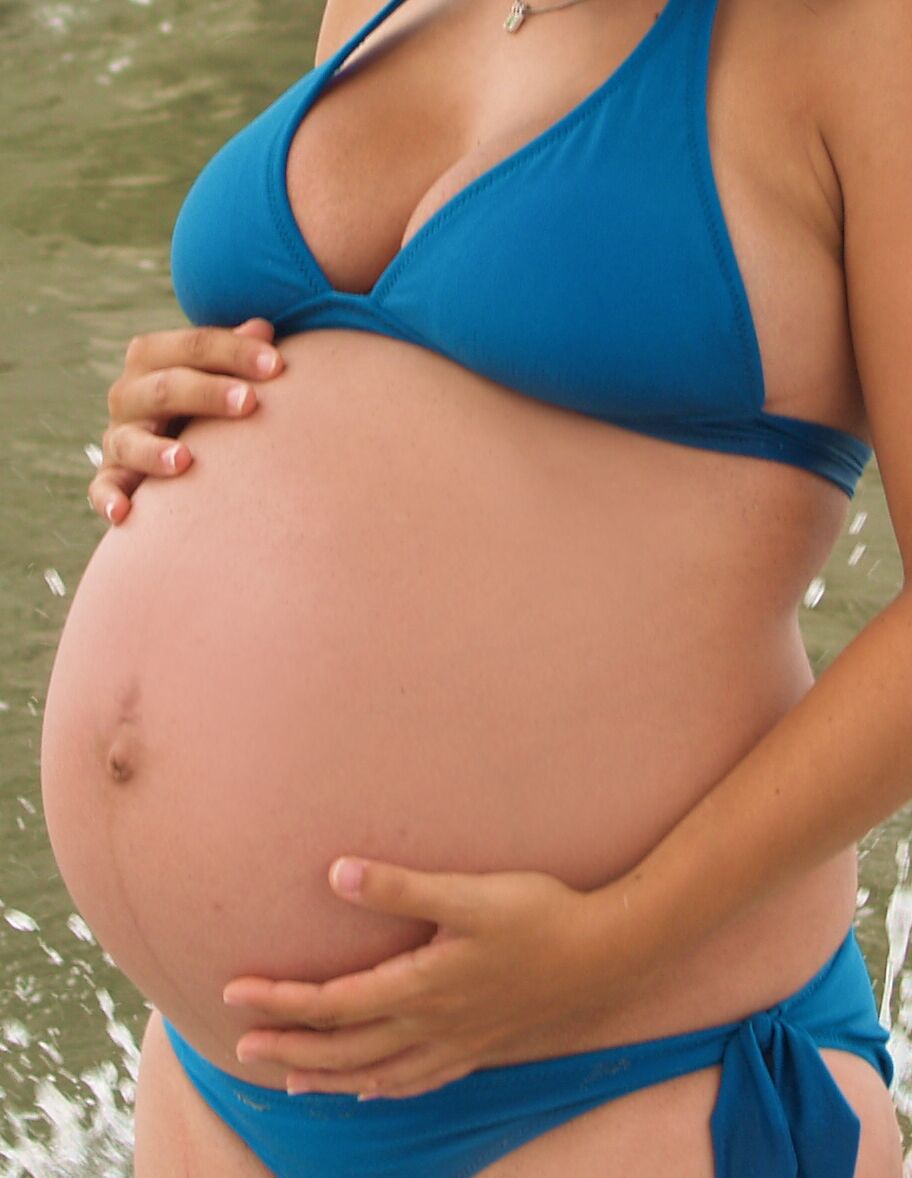
Several things raise the odds of getting them, and most are out of your control. A family history of stretch marks is one of the strongest predictors, so if your mother or sisters had them, you are more likely to as well. Other factors include being younger, carrying a larger baby or multiples, and rapid weight gain. Stretch marks most often show up on the belly, breasts, hips, thighs and buttocks, usually in the later half of pregnancy as the bump expands. You can learn more about how the bump changes week by week in our pregnant belly bump guide for Singapore.
What the evidence actually says about prevention
Large research reviews have looked closely at whether creams and oils prevent stretch marks during pregnancy. The honest summary from this body of evidence is that there is no strong, reliable proof that any topical product stops stretch marks from forming. Studies of popular ingredients like cocoa butter and olive oil have generally found they do not work better than doing nothing or using a plain moisturiser.
Some smaller studies on specific ingredients, such as certain centella asiatica or hyaluronic acid preparations, have hinted at a possible small benefit, but the quality of evidence is low and the results are not consistent enough to make a confident recommendation. In short, if a product promises to prevent stretch marks, it is making a claim the science does not support.
This does not mean moisturising is pointless. Keeping stretching skin hydrated genuinely helps with the itchiness and tightness many mums feel as the bump grows, and it is a pleasant, low-risk habit. Just set your expectations correctly: you are buying comfort, not a guarantee.
- Massaging in a moisturiser daily is safe and soothing, but is unproven for prevention.
- Plain, fragrance-free moisturisers work as well as expensive specialty creams for skin comfort.
- Drinking enough water and eating well supports overall skin health, though it will not override genetics.
- Be sceptical of any product marketed with a stretch mark prevention guarantee.
Sensible habits during pregnancy that genuinely help
While you cannot fully prevent stretch marks, a few sensible habits support your skin and your overall pregnancy health, which is worthwhile in its own right. The most useful one is steady, healthy weight gain rather than rapid jumps, because skin copes better with gradual stretching. Your obstetrician can advise the right weight range for you based on your starting point and whether you are carrying one baby or more.
Staying well hydrated and eating a balanced diet with enough protein, vitamin C and zinc supports your skin's natural repair and elastic tissue. None of this guarantees mark-free skin, but it is good for you and your baby regardless. Our guide to eating well in pregnancy in Singapore covers practical, affordable food choices, and safe exercise during pregnancy can help you manage gradual weight gain comfortably.
Itching over a growing bump is common and usually harmless, and moisturiser plus loose, breathable clothing helps in our humid climate. One important caution: if you develop sudden, severe or widespread itching, especially on your palms and soles, tell your doctor promptly, as it can occasionally signal a liver condition of pregnancy that needs checking. For the everyday aches and changes, our overview of common pregnancy discomforts by trimester may help you tell normal from not-normal.
Approaches compared: what helps and how strong the evidence is
The table below sorts the popular approaches by what they realistically do and how solid the evidence is. Use it to set expectations before you spend money. Treatments listed for after pregnancy aim to improve the appearance of existing marks, not erase them completely, and they tend to work best on newer, still-reddish marks rather than old silvery ones.
| Approach | What it realistically does | Evidence | When |
|---|---|---|---|
| Daily moisturiser or oil | Eases itch and tightness; keeps skin comfortable | No good evidence it prevents marks; helps comfort only | During pregnancy |
| Staying hydrated | Supports general skin health and overall wellbeing | Sensible but does not override genetics | During pregnancy |
| Healthy, gradual weight gain | Reduces sudden skin stretching | Plausible benefit; lowers risk somewhat, no guarantee | During pregnancy |
| Time and patience | Marks fade from red or purple to paler silvery lines | Reliable; natural fading happens for most people | After pregnancy |
| Topical retinoids | Can improve appearance of newer marks | Some supporting evidence; NOT for use in pregnancy or breastfeeding | After breastfeeding only, with a doctor |
| Microneedling | Stimulates collagen to smooth marks | Moderate evidence; best on newer marks | After pregnancy, by a professional |
| Radiofrequency | Heats deeper skin to firm and improve texture | Some evidence; results vary | After pregnancy, by a professional |
| Laser therapy | Reduces redness and improves texture | Some evidence; best on newer red marks | After pregnancy, by a dermatologist |
Treating stretch marks after your baby arrives
After pregnancy, you have more options because you are no longer limited by what is safe for the baby. The first and free option is simply time. Fresh stretch marks often look red, pink or purple, and over months they usually fade to a paler silvery tone that is far less noticeable. Many mums find they are happy enough once this natural fading happens, and that period of healing overlaps with the broader recovery covered in our guide to postnatal recovery after birth.
If you want to actively improve the look of your marks, topical retinoids applied to the skin have some evidence for newer marks, but they are not safe during pregnancy or breastfeeding, so they are an after-weaning option you should discuss with a doctor. Procedural treatments such as microneedling, radiofrequency and laser therapy aim to stimulate collagen and reduce redness. The honest caveat is that none of these guarantees full removal. They typically reduce visibility and improve texture, work best on newer marks, often need several sessions, and carry costs and a small risk of side effects, particularly on deeper or tanned skin tones common in Singapore.
If your marks bother you, the most sensible step is a consultation with a qualified dermatologist or a doctor at an accredited clinic. They can assess your skin type, how old the marks are, and recommend a realistic plan, rather than you guessing with over-the-counter products or unregulated devices. Ask specifically about expected results, number of sessions, downtime and whether your skin tone affects the choice of treatment.
Frequently asked questions
Can I completely prevent pregnancy stretch marks?
No, you cannot reliably prevent them. They form deep in the skin and are strongly influenced by genetics and hormones, which you cannot change. Sensible habits like gradual weight gain may lower your risk slightly, and moisturising keeps skin comfortable, but no product or routine guarantees you will avoid stretch marks.
Do expensive stretch mark creams work better than cheap moisturisers?
For preventing stretch marks, no. Research has not shown that specialty creams or oils outperform doing nothing, and a plain, affordable moisturiser is just as good for easing the itch and tightness of a growing bump. Save your money rather than paying a premium for prevention claims that the evidence does not support.
Will my stretch marks ever go away?
Most stretch marks do not disappear entirely, but they usually fade significantly. Over the months after pregnancy they typically change from red or purple to a paler silvery colour that is much less obvious. Post-pregnancy treatments such as topical retinoids, microneedling or laser can further improve their appearance, but they reduce visibility rather than remove marks completely.
When can I start stretch mark treatments after giving birth?
It depends on the treatment and whether you are breastfeeding. Topical retinoids are not safe while breastfeeding, so they must wait. Procedures like laser or microneedling are usually best discussed with a dermatologist once you have recovered from birth and your hormones have settled. Always get personal advice from a doctor before starting, especially while nursing.

Antenatal Classes in Singapore: A First-Time Parent's Guide
Antenatal classes in Singapore explained: what prenatal classes cover, KKH/NUH/Thomson options, when to start, costs, an...
10 min read
Writing a Birth Plan in Singapore: A Flexible Guide for Mums-to-Be
How to write a flexible birth plan in Singapore: pain relief, birth positions, skin-to-skin, vitamin K, C-section and po...
9 min read
Breast cancer in pregnancy in Singapore: a calm, careful guide
A gentle, factual guide to breast cancer in pregnancy in Singapore: how it is diagnosed and treated safely, and where to...
9 min read