

Speech and Drama Classes for Kids in Singapore: A Parent's Guide
In this article
- What speech and drama actually develops
- Speech and drama versus musical theatre versus pure acting
- What a typical class looks like
- Choosing a class by age
- The kinds of academies you will come across
- Group classes versus exam tracks (LAMDA and Trinity)
- Trial classes and what to ask
- Practical things parents often overlook
- Frequently asked questions
If your little one freezes during show-and-tell, races through oral exams in a mumble, or hides behind your leg the moment a room turns to look at them, you have almost certainly heard another parent rave about speech and drama. It is one of the most popular enrichment routes in Singapore, and the appeal is easy to understand: a child who can think on their feet, speak clearly, and stand in front of a group without falling apart. This guide is for parents weighing it up for the first time and those deciding whether to move from group classes into graded exams. We cover what a speech and drama class involves, the genuine benefits, how to choose by age and temperament, what to ask at a trial, and how the LAMDA and Trinity exam tracks fit in.

What speech and drama actually develops
At its core, speech and drama is communication training dressed up as play. Through games, role-play, storytelling, voice work and small performances, children learn to use their voice, body and imagination to land an idea. The skills spill into the rest of their lives, which is why families keep renewing.
- Confidence and self-esteem. Quieter children get a safe, structured space to speak up and discover they have something worth saying, a win that is internal long before it shows on a stage.
- Clear articulation and projection. Voice and diction work trains a child to be heard and understood, which feeds straight into school oral assessments and class presentations.
- Public speaking. Holding eye contact, pacing yourself and managing nerves are learnable skills, and a drama class is low-stakes practice for higher-stakes moments later.
- Creativity and quick thinking. Improvisation and storytelling teach a child to respond in the moment rather than freeze when a question lands unexpectedly.
- Listening, empathy and teamwork. Working a scene with others builds turn-taking, listening and the habit of reading how someone else feels.
- Language and literacy. Reading aloud and discussing what a passage means strengthens vocabulary, comprehension and expression.
Many parents spot the change at home first: a child who volunteers an answer, looks up when speaking, and copes better in unfamiliar group settings. It pairs naturally with other confidence-building pursuits in our enrichment classes guide.
Speech and drama versus musical theatre versus pure acting
These terms get used loosely in marketing, so it helps to know what each emphasises before a trial. Most academies offer at least two of the three, and a child can move between them over the years.
- Speech and drama is the broadest and most common starting point: a blend of spoken communication, reading aloud, poetry and prose, simple scenes, and confidence work. The goal is well-rounded expression rather than producing a performer.
- Musical theatre adds singing and movement to acting, so a child needs to enjoy all three. It suits children who light up when they can sing and dance as well as speak, with more rehearsal toward a full production.
- Pure acting or drama goes deeper into character, scene work, monologues and stagecraft. It tends to appeal to older children and teens who already love performing.
If you are unsure, start with general speech and drama. It keeps the most doors open, and you will quickly learn whether your child leans musical, leans toward acting, or simply enjoys the confidence and communication benefits without wanting the spotlight.
What a typical class looks like
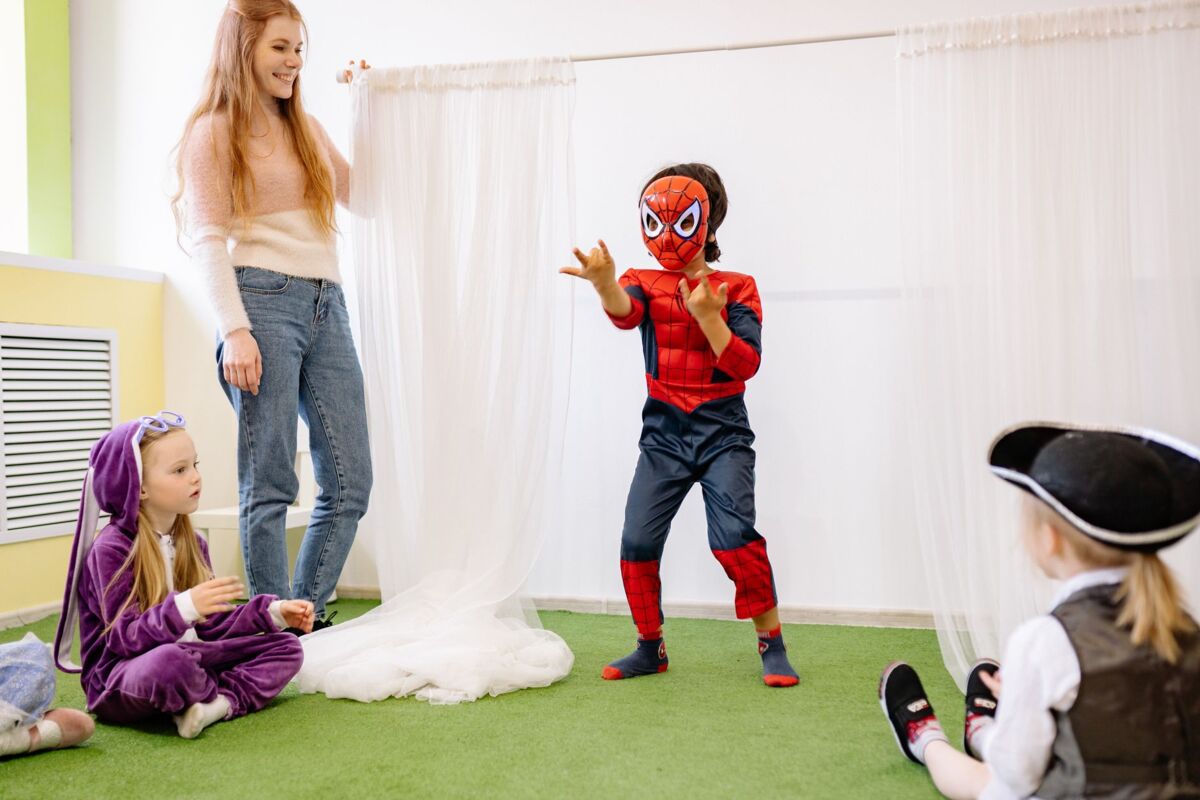
Classes are usually small, interactive and play-based, especially for younger ages. Every centre has its own house style, but most lessons mix several of the following across a 45-to-90-minute session:
- Warm-up games to settle the group and loosen voices and bodies
- Reading aloud and storytelling with expression and character voices
- Role-play and pretend scenarios that invite improvisation
- Voice, breathing and diction exercises
- Public speaking or presentation practice as children get older
- Group discussion and listening games that build turn-taking
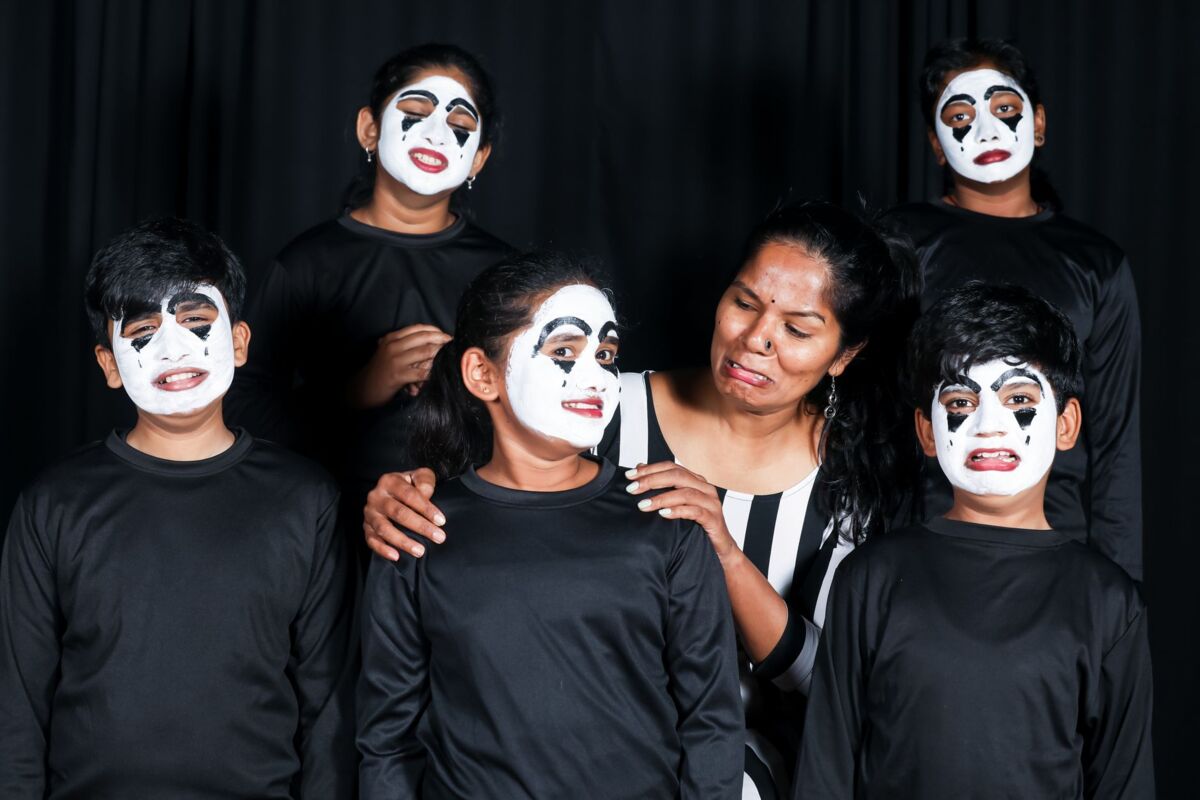
- Movement, mime, and light scripting for tweens and teens
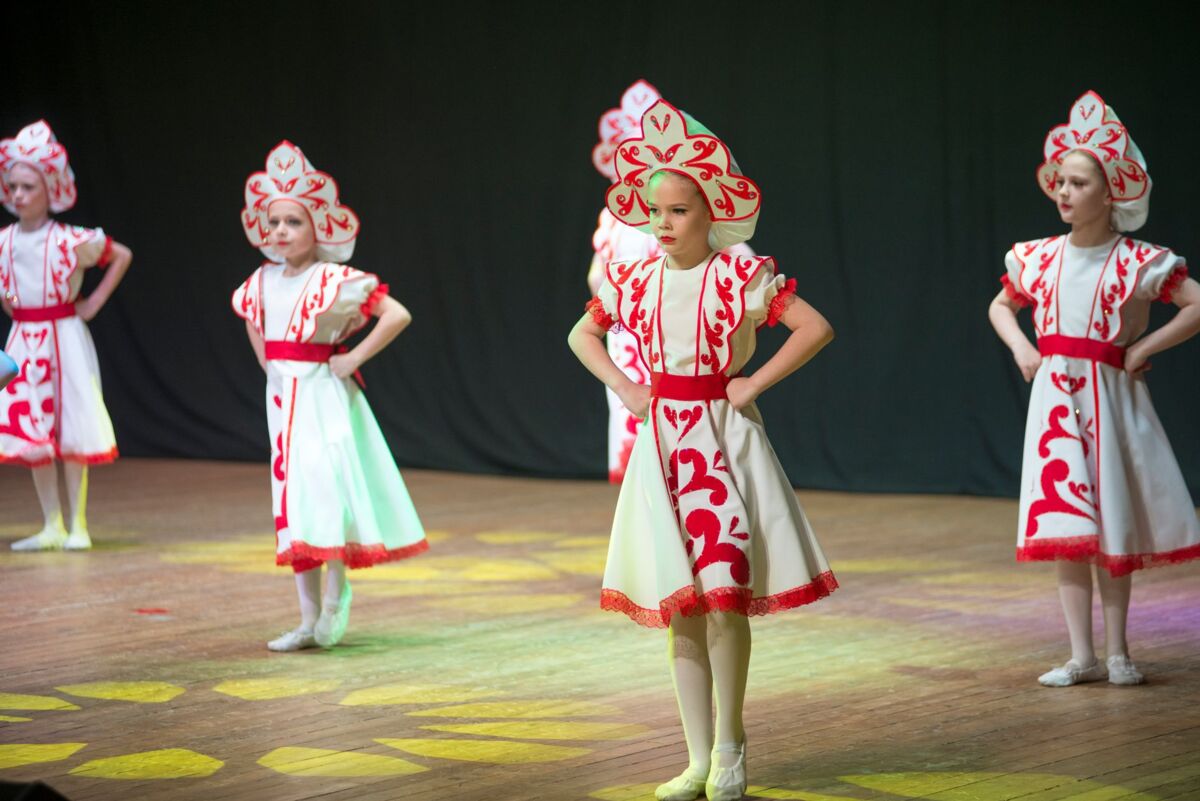
The strongest classes share a few traits: trained teachers who give specific, kind feedback rather than blanket praise; clear progression as children grow; and regular chances to perform so confidence is built on real experience. Some centres keep recordings so you can compare your child's term-one work with their term-three work and actually see the growth.
Choosing a class by age
There is a speech and drama option for almost every age in Singapore, from toddlers to teens, with many academies running age-banded classes so children learn alongside peers at a similar stage. As a rough guide:
Toddlers and preschoolers (around 18 months to 6 years)
Expect imaginative play, songs, simple stories and lots of movement, often with a parent or carer in the room for the youngest groups. The aim here is joy, language exposure and comfort speaking up, not a polished performance. Some preschool-aligned programmes follow local early-childhood frameworks, so ask if it matters to you. Our guide to choosing a preschool covers how enrichment and formal schooling overlap at this age.
Lower and upper primary (around 7 to 12 years)
Classes become more structured here: clearer public-speaking practice, scripted scenes, poetry and prose, and presentation skills that connect to school oral assessments. This is the sweet spot for many families, the stage where some children begin moving toward graded exams, and often when the payoff shows up in school life.
Tweens and teens (around 13 years and up)
Older students often go deeper into acting, monologues, debate-style speaking and formal exam tracks. The work gets more demanding and more rewarding, and graded certificates can become a small talking point on applications. A teen who has done speech and drama for years often carries a noticeable ease into interviews.
The kinds of academies you will come across
Singapore has a wide spread of providers, from large established names to small specialist studios. Rather than rank them, it helps to understand the categories so you can match one to your child. Always confirm current ages, fees and trial availability on each provider's own website.
- Life-skills drama academies use drama mainly to build confidence, self-esteem and communication rather than to produce performers. Helen O'Grady Drama Academy, for example, states it serves children from around 3 to 18 in age-banded classes. Verify the current bands on its site.
- Communication-led centres blend speech and drama with reading, writing and presentation. Julia Gabriel Centre runs speech and drama programmes from the preschool years through to teen communication classes.
- Theatre-rooted academies grow out of working theatre companies and lean toward performance. ACT 3 is a long-running name in children's theatre, appealing to children who enjoy being on stage.
- Musical theatre and bilingual programmes add singing and movement, or teach expression through Mandarin. Our Chinese enrichment guide covers how drama supports language learning.
Group classes versus exam tracks (LAMDA and Trinity)
Two broad paths exist, and they are not mutually exclusive. Plenty of children do years of group classes and never sit a graded exam, and that is completely fine.
Group enrichment classes focus on the experience: confidence, expression, teamwork and fun, usually ending the term with a showcase rather than a formal grade. For most younger children this is the natural starting point, and many families happily stay here for years.
Graded exam tracks add structure and a clear goal for a child who is ready, typically from around age 7 or 8 upwards. The two best-known systems in Singapore are LAMDA (the London Academy of Music and Dramatic Art) and Trinity College London, both UK awarding bodies whose graded exams are internationally recognised. Trinity's official site lists graded exams in subjects including Speech and Drama, Acting and Musical Theatre, while LAMDA states there are no age restrictions on its qualifications. A graded exam generally pairs a practical piece, such as a poem or a monologue, with a discussion with the examiner. Stages, requirements and fees differ and change over time, so check the official Trinity and LAMDA pages, and confirm which exams a centre prepares children for.
Trial classes and what to ask
A trial class tells you far more than any brochure. Many academies offer one, sometimes free and sometimes at a small fee credited if you sign up, so ask. Watch your child as much as the teacher.
- Is your child engaged? A reluctant or boisterous child reveals a lot in 45 minutes. Watch whether the teacher draws them in or leaves them out.
- How does the teacher give feedback? You want specific, encouraging guidance, not constant cheering or correction that deflates a shy child.
- What is the class size? Smaller, well-led groups give each child more speaking time, which matters most for quieter ones.
- Is there real progression? Ask what a child works toward over a term, and how you will know they are improving.
- Does the format suit your child? A reluctant speaker often does better in a small group; a confident performer may thrive on an exam track's structure.
Practical things parents often overlook
Beyond the class itself, a few logistics decide whether enrichment lasts a year rather than fizzling out early.
- Location and travel. A class near home, an MRT line or your existing routine is far easier to sustain than a cross-island trek after a long school day. Check parking or station access if you are ferrying a younger child.
- Term structure and make-up lessons. Ask how terms run, what happens if your child is sick, and whether make-up classes are offered. Missed lessons add up over a year.
- What to bring. Most classes need little more than comfortable clothes a child can move in, though some ask for a script or prepared piece, especially on exam tracks.
- Sibling logistics. With more than one child, look for centres running age-banded classes back to back or offering a waiting area, so one lesson does not eat your whole afternoon.
- Budgeting honestly. Fees are usually charged per term and vary widely by age, class length and exam track, with exam entry charged separately. Confirm current pricing on the official website before committing.
Frequently asked questions
What age should my child start speech and drama?

There is no single right age. Toddler and preschool classes exist from around 18 months, but many children start in lower primary, when class presentations and oral exams begin to matter more. The best age is whenever your child is curious and you can find a class that suits their temperament rather than overwhelms them.
Is speech and drama only for outgoing children?
No, and it is often most valuable for the quieter, more introverted children, giving them a structured, low-pressure space to find their voice. A skilled teacher meets a shy child where they are instead of forcing the spotlight on them, so confidence builds gradually rather than through pressure.
What is the difference between speech and drama and acting classes?
Speech and drama is broader, blending spoken communication, reading aloud, poetry and confidence work, with performance as just one part. Pure acting goes deeper into character, scenes and stagecraft and suits older children who already enjoy performing. Musical theatre adds singing and movement on top. Most academies offer more than one, so a child can shift over time.
Do we need to do LAMDA or Trinity exams?
Not at all. Graded exams add structure and a sense of achievement for older, motivated children, but they are entirely optional. The core benefits of confidence, clear speech and creativity come from regular practice, not the certificate. Plenty of articulate children never sit a single graded exam.
How much do speech and drama classes cost in Singapore?
Fees vary widely by centre, age, class length and whether you are on an exam track, and they change from term to term, with exam entry charged on top. Rather than rely on an old figure, confirm current pricing directly on the centre's official website before committing.
How long before I see a difference?
It is gradual rather than instant. Many parents notice small shifts within a term, such as a child volunteering more at home, with bigger gains over a year of steady attendance. Consistency matters more than intensity.
Speech and drama is one of those rare enrichment choices where the skills outlast the class itself. Whether you stay with group lessons or work toward a LAMDA or Trinity grade, what your child takes away is the ability to speak up, be understood and feel at ease in front of others. For more family ideas, browse our music classes guide or the wider learn hub.

How to Choose the Best Preschool in Singapore: A Parent's Guide
How to choose the best preschool in Singapore for your child: centre types, curriculum, fee ranges, ECDA subsidies, wait...
11 min read
Childcare Centres in Singapore: A Parent's Guide to Infant Care, Subsidies and Choosing the Right One
How childcare centres in Singapore work: infant care vs full-day childcare, ECDA operators, subsidies, waitlists, fees a...
10 min read
Children's Libraries in Singapore: A Parent's Guide to NLB
A parent's guide to NLB children's libraries in Singapore: kids' sections, story times, free membership, the NLB app, Li...
11 min read