
Where to Buy Toys in Singapore: A Parent's Guide to Stores, Online and Preloved
In this article
Whether you are hunting for a last-minute birthday present, a rainy-day boredom-buster, or that one open-ended toy your child will actually keep coming back to, knowing where to buy toys in Singapore saves you both money and decision fatigue. The good news is that you are spoiled for choice: there are big-box chains, department-store toy floors, curated educational boutiques, brand-certified shops, bookstore-and-toy combos, online marketplaces, busy preloved communities, and even toy libraries where you can borrow instead of buy. This guide is for parents who want the full map of options, organised by type of shop, plus practical help on choosing toys that are safe and age-appropriate without blowing the budget. Store branches, stock and prices change often, so treat the shop types below as a starting point and always confirm current details on each retailer's official channels.
The main types of toy shops in Singapore
There is no single best place to buy toys. Most parents end up mixing several channels depending on the occasion, the child's age and how much they want to spend. Here are the broad categories worth knowing, roughly from the largest selection to the most specialised.
Big-box and chain toy retailers
Large toy chains carry the widest single-store range, from baby and toddler toys to action figures, dolls, board games, building sets and outdoor gear. The big advantage is that kids can see, hold and sometimes try things before you buy, which is gold when you are not sure a toy will hold their attention. Chains also tend to stock the newest mainstream releases and run regular promotions, especially around year-end and major school holidays. If your child is chasing a specific popular franchise, this is usually where you will find it fastest. Confirm which mall outlets are still open before you make a special trip, as chain footprints shift over time.
Department-store toy floors and hypermarkets
Many department stores and large supermarkets keep a toy section or a dedicated kids floor, which is genuinely useful when you are already out and need a quick gift. The range is narrower than a specialist store, but you can fold a toy run into grocery shopping, a meal or a mall outing, and these floors are usually stroller-friendly with lifts and nearby nursing or diaper-change facilities. Watch for seasonal markdowns and member or card-linked discounts, which can make department-store toys surprisingly competitive on price during sale periods.
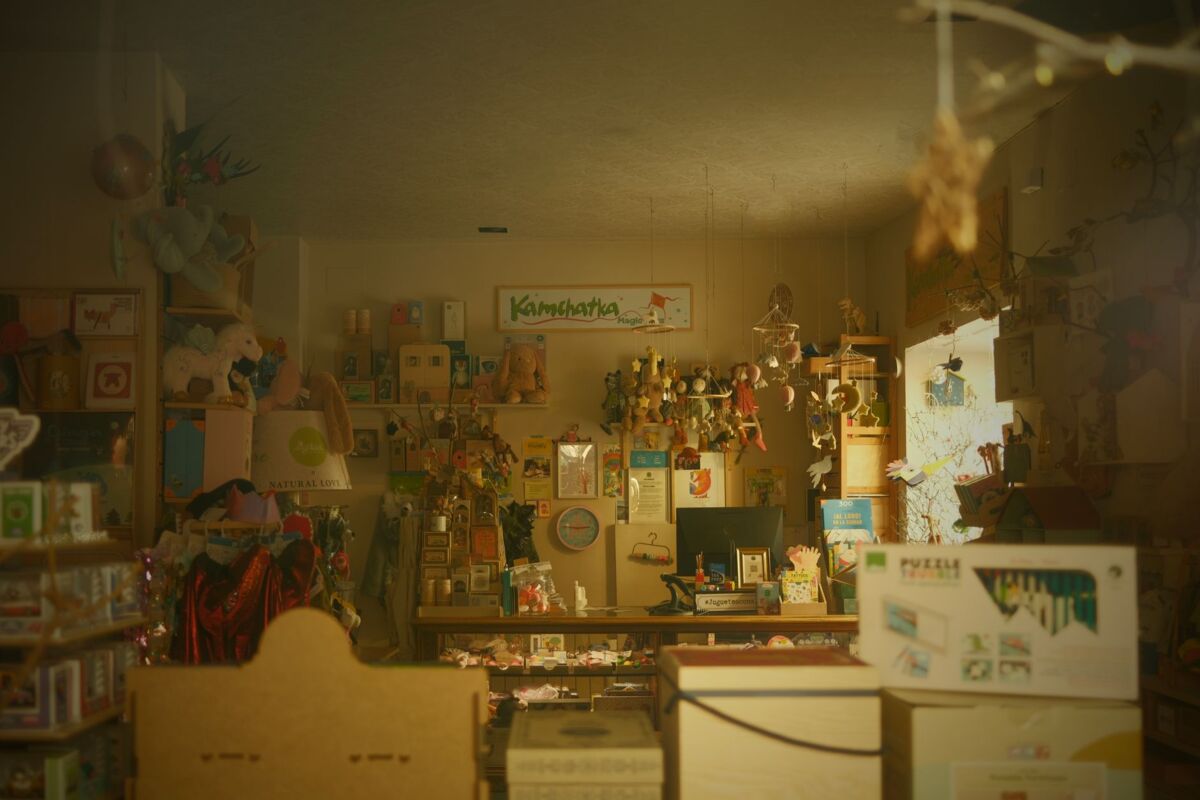
Specialty and educational toy boutiques
A growing number of Singapore shops focus on educational, open-ended and developmental toys, often curating brands from Europe and elsewhere. This is the category to explore for wooden toys, Montessori-style materials, STEM and coding kits, quality soft toys, and craft and pretend-play sets. Prices tend to run higher, but the toys are typically built to last, often made from sustainable materials, and many grow with the child or get handed down to a younger sibling. Staff in these shops are often parents or educators themselves and can point you to something suited to a specific stage or interest, which is worth a lot when you are buying blind.
Brand-certified and single-brand stores
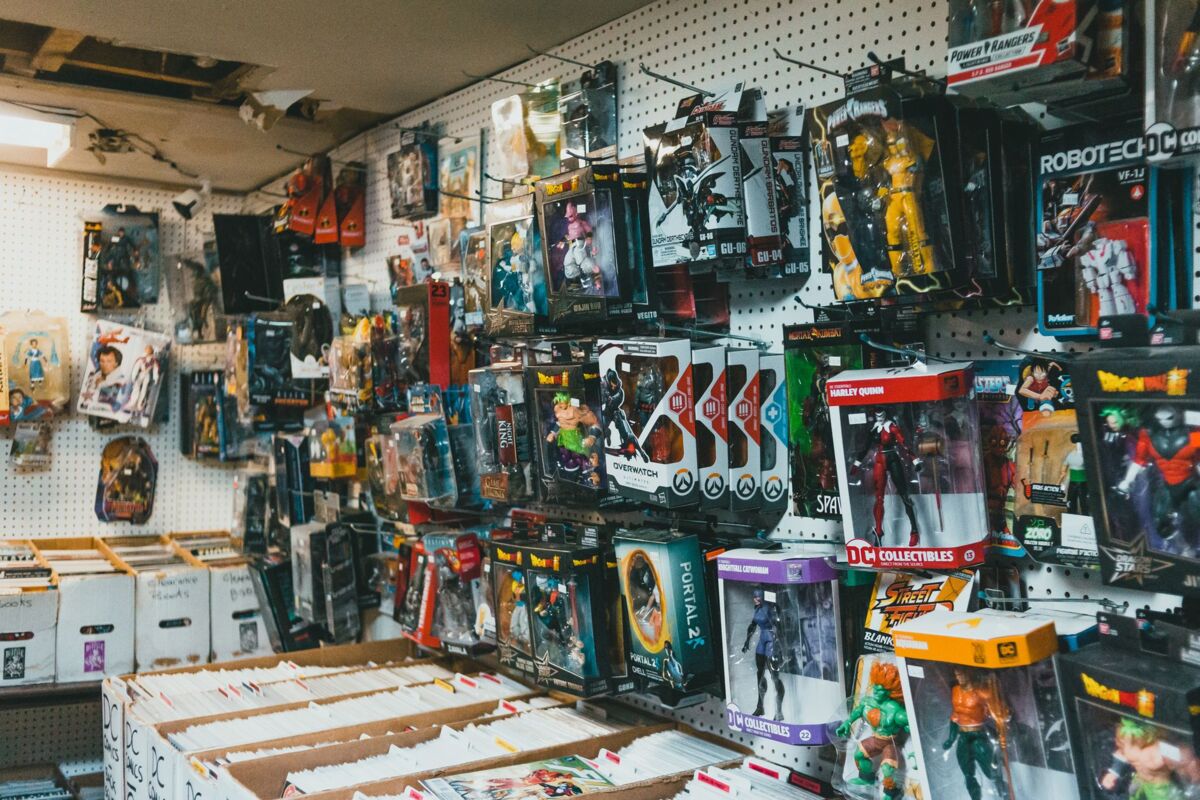
Some toy brands run their own certified or flagship stores in Singapore, the best-known example being LEGO certified stores. These shops carry the deepest selection of one brand's range, including sets you may not find on a general shelf, plus brand-specific perks, displays and sometimes a small play area. If your child is deep into one particular building or collectible system, a single-brand store is the place to find rare or larger sets and to talk to staff who know the range inside out. Brand stores also tend to be a safer bet against counterfeits, which matters for popular building sets that are widely faked.
Bookshops and toy-and-book combos
Do not overlook bookstores. Many larger bookshops in Singapore stock a respectable range of puzzles, board games, craft kits, STEM toys and early-learning sets alongside the books. These combos are handy when you want a gift that leans educational, or when you are buying for a child whose parents already have a wall of plastic toys and would welcome something quieter. It is also an easy one-stop option for a birthday present plus a card and a book to go with it.
Online stores and marketplaces
For busy parents, online is often the path of least resistance. Big general marketplaces stock almost everything, from puzzles and craft kits to ride-ons and bigger-ticket items, usually with reviews to help you decide and delivery to your door. Beyond the giants, many local toy shops and specialty boutiques run their own webstores, and some focus exclusively on online sales. The trade-offs are that you cannot inspect a toy in person, and listings can be inconsistent, so read recent reviews, check the seller is reputable, and confirm whether the item ships from within Singapore or from overseas. If you are buying for a fixed date such as a party, build in a buffer for delivery and possible delays.
Preloved and second-hand
Kids outgrow toys fast, so Singapore's second-hand market is large and active. Community marketplaces such as Carousell and Facebook Marketplace, along with dedicated parent groups, are full of gently used toys at a fraction of retail. Baby fairs and pop-up sales sometimes include preloved or clearance sections too, so it is worth knowing the calendar. Buying preloved keeps good toys out of the bin, suits fast-outgrown stage gear, and is gentle on both the wallet and the environment. For the bigger picture on second-hand baby kit, our guide to baby fairs in Singapore is a good companion read.
Toy libraries and rental: borrow instead of buy
One option many parents miss is borrowing rather than owning. Singapore has a small but growing scene of toy libraries and toy-rental or subscription services, where you can let a child play with a toy for a while and return or swap it. The National Library Board has piloted a toy library concept, and a handful of community and commercial services offer lending or rotating-box models. Borrowing is brilliant for short-lived obsessions, expensive developmental toys you only want to try, and reducing clutter at home. Availability and terms vary and some services come and go, so check current offerings and any age limits or fees before you sign up.
How to choose safe, age-appropriate toys
In Singapore, toys are regulated as general consumer goods under the Consumer Protection (Consumer Goods Safety Requirements) Regulations, overseen by the Consumer Product Safety Office. Toys marketed for children are expected to meet recognised international safety standards (commonly referenced are ISO 8124, EN 71 and ASTM F963), but general consumer goods do not require pre-market approval before they are sold. That means a lot of the responsibility sits with you at the point of purchase. For the official picture and the latest advisories, see the Consumer Product Safety Office.
For everyday buying, a few simple habits go a long way:
- Read the age label first. Age recommendations are safety thresholds, not a judgement on how clever your child is. A toy marked 3+ usually contains small parts that can choke a younger child.
- Avoid small parts for under-3s. Children this age still mouth everything. As a rule of thumb, if a part can pass through a toilet-roll tube, treat it as a choking hazard for a toddler.
- Check for safety markings and clear labelling. Reputable toys carry safety-standard markings and warnings. Be cautious with unbranded items that have no age guidance or safety information at all.
- Be strict about button batteries and magnets. Swallowed button batteries can cause serious internal injury, and small strong magnets are dangerous if more than one is swallowed. Make sure battery compartments are screwed shut, and steer clear of loose magnetic-ball sets marketed to children.
- Watch cords, strings and projectiles. Long cords and strings pose a strangulation risk for babies, and projectile toys need adult supervision and age-appropriate use.
- Plan for mixed-age homes. If you have older and younger children, store the older child's small-part toys well out of a toddler's reach.
- Inspect regularly. Check toys often for breakage that creates sharp edges or newly loose parts, and retire anything damaged.
For more on milestones and what suits each stage, our learn hub is a good starting point, and our guide to baby monitors is handy if you are kitting out a nursery at the same time.
Open-ended versus licensed toys
Once safety is sorted, the next useful filter is how a toy actually gets played with. Open-ended toys, things like blocks, magnetic tiles, loose parts, art materials and simple pretend-play sets, can be used a hundred different ways and get replayed for years across different ages. Licensed and single-function toys tied to a character or screen can be a huge hit, but the novelty sometimes fades fast and they often do only one thing. Neither is wrong. A practical approach is to make open-ended toys the backbone of the toy box and add the occasional licensed favourite as a treat, which usually gives better value and a tidier shelf.
Budget tips that actually help
Toys can quietly drain a family budget, especially when birthdays and festive seasons stack up. A few ways to keep spending in check:
- Buy preloved for fast-outgrown items. Baby toys, ride-ons and stage-specific gear get used briefly, so second-hand makes the most sense here.
- Time big buys with sales. Year-end and major online sale periods are good moments for larger or pricier purchases.
- Borrow before you buy big. Use a toy library or rental for expensive developmental toys you only want to trial.
- Choose open-ended over single-use. Blocks, art supplies and pretend-play sets get replayed for years and beat one-trick novelty toys on value.
- Rotate, do not accumulate. Pack away half the toys and swap them every few weeks; old toys feel new again and you buy less.
- Set a gift shortlist. When relatives ask what to get, point them to a list so you avoid duplicates and clutter.
Planning around a new baby and trying to see where toys and gear fit into the bigger picture? Our baby cost estimator can help you map it out, and it pairs well with our roundups of the best strollers in Singapore when you are budgeting for the big-ticket items.
Frequently asked questions
Where is the cheapest place to buy toys in Singapore?
Preloved channels such as Carousell, Facebook Marketplace and parent groups are usually the most wallet-friendly for gently used toys. For new toys, watch for online and in-store sales during festive and year-end periods rather than paying full price, and consider a toy library if you only need a toy for a short while.
Are toys sold in Singapore safe?
Toys are regulated as general consumer goods and are expected to meet recognised international safety standards, but they do not need pre-market approval before sale. So always check the age label and safety markings yourself, secure any button-battery compartments, and be more cautious with unbranded or unusually cheap items that lack clear labelling. The Consumer Product Safety Office publishes current safety tips and advisories.
What toys are safe for a child under 3?
Choose toys with no small parts, no long cords, no loose button batteries and no small strong magnets. Stick to items labelled for your child's age, supervise play, and use the toilet-roll-tube test as a quick choking-hazard check: if a part fits through the tube, it is too small for a toddler.
Where can I buy educational or Montessori-style wooden toys?
Specialty and educational toy boutiques are your best bet, as they curate wooden, Montessori-style and open-ended toys and often carry European brands. Many run their own online stores too, so you can browse from home, and staff can usually recommend something suited to a specific age or interest.
Is it worth buying toys online versus in-store?
Online wins on convenience, range and easy price comparison, and is great for bulky items delivered to your door. In-store wins when you want your child to see and handle a toy first, when you need it the same day, or when you want staff advice. Many parents browse in-store for ideas, then decide between buying on the spot or ordering online.
How do I avoid fake or unsafe toys?
Buy popular branded sets from official, brand-certified or reputable retailers, be wary of prices that look too good to be true, and check for proper packaging, age labels and safety markings. Counterfeits often skip safety testing, so when a deal feels off on a well-known brand, it usually is.
Once the toy box is sorted, plan a play-friendly outing too. Browse family-friendly ideas in our play hub, kid-approved spots to eat over in eat, and what is on this week in what's on.
Art Jamming in Singapore: A Family Guide to Painting and Art Fun
Your parent's guide to art jamming in Singapore: what it is, the best ages, studio vs cafe vs at-home, what to bring, ro...
11 min read
Baby Fairs in Singapore: A Parent's Guide to Deals, Dates and Smart Shopping
A practical guide to baby fairs in Singapore: where they run, what to buy and skip, how to spot real deals, what to brin...
10 min read
Best Baby Swaddles and Sleep Sacks in Singapore
How to choose safe, breathable baby swaddles and sleep sacks in Singapore's hot climate, when to stop swaddling, and wha...
9 min read