
Baby-led weaning in Singapore: a practical starter guide
In this article
Baby-led weaning in Singapore is simply a way of starting solids where your baby feeds themselves soft finger foods from around six months, rather than being spoon-fed smooth purees. Done safely, baby-led weaning (often shortened to BLW) lets your little one explore texture, practise chewing, learn to stop when full, and join in at the family table. It is not all-or-nothing, and many Singapore parents happily mix finger foods with the occasional spoon of porridge or cereal.
This guide walks through when your baby is ready, the safe first foods to offer, the difference between gagging and choking, and how baby-led weaning fits real life here, from hawker meals to small HDB kitchens. If you are still weighing up when and how to begin solids in general, start with our guide to starting solids in Singapore.
What baby-led weaning actually means
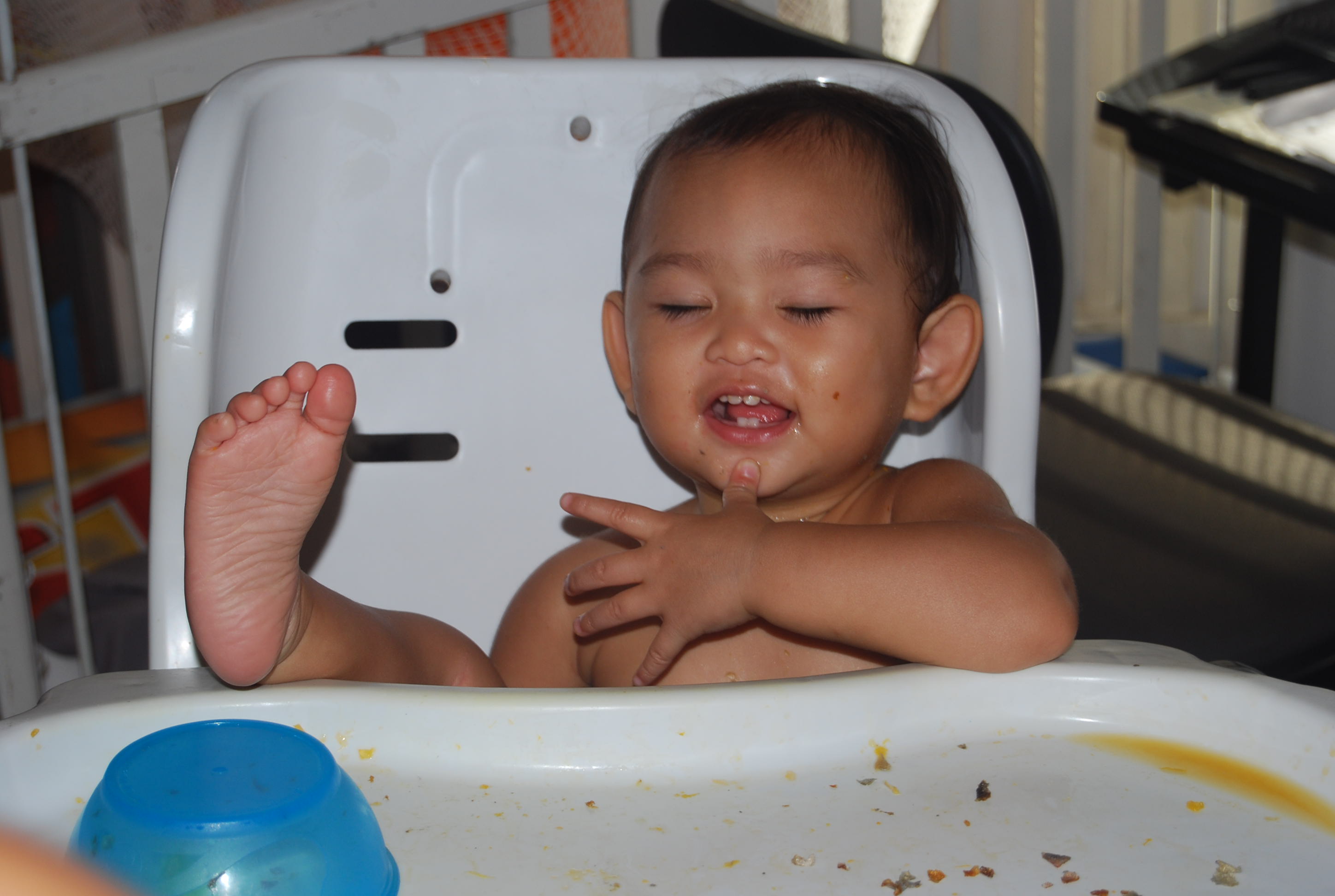
With baby-led weaning, you offer appropriately soft, graspable pieces of food and let your baby bring them to their own mouth. There is no spoon-feeding and no pressure to finish a set amount. Milk (breast milk or formula) stays the main source of nutrition through the first year, so early meals are about learning and exploring, not filling a quota. The aim is a baby who is a calm, curious, competent eater.
The approach became popular because it is convenient (your baby often eats a soft version of what you are eating) and because self-feeding may support hand-eye coordination and appetite control. It is not magic, though. Plenty of spoon-fed babies also become adventurous eaters, and a blended approach is completely valid.
Signs your baby is ready
Readiness is about development, not just age. Most babies are ready at around six months, and health authorities advise waiting until close to six months before starting any solids so the gut and swallowing are mature enough. Look for these signs together, not just one:
- Your baby can sit upright with little or no support and hold their head steady
- They have lost the early tongue-thrust reflex that pushes food back out
- They can pick things up and bring them to their mouth
- They show real interest in food, watching and reaching for what you eat
If your baby was premature, use their corrected age and check with your doctor or a KKH dietitian before starting. Starting solids much before six months is generally not recommended.
Choking versus gagging: the safety part that matters most
This is the part that worries most parents, and it deserves real attention. Gagging is common, noisy and normal: it is a protective reflex that moves food forward when it goes too far back, and your baby may cough, splutter and go red before clearing it themselves. Choking is silent and dangerous: the airway is blocked, so there is little or no sound, and your baby may go quiet, floppy or blue. Gagging usually needs your calm presence; choking needs immediate action.
First foods and how to prepare them
Good first finger foods are soft enough to squash easily, cut into pieces about the size of your adult finger so your baby can hold one end and gum the rest. Steam or cook until very soft, and skip added salt, sugar and honey (no honey before one year). Local, easy-to-find options work well.
| Food | How to prepare | Why it works |
|---|---|---|
| Sweet potato, pumpkin, carrot | Steam into soft finger-length sticks | Naturally sweet, easy to grip, squashable |
| Banana, avocado, ripe papaya | Offer in wedges, leave some skin as a handle | No cooking, soft, nutrient-dense |
| Silken tofu, soft-cooked fish | Cut into strips; debone fish carefully | Protein and iron; introduces allergens |
| Well-cooked pasta, soft rice porridge | Large pieces or let baby scoop with hands | Familiar carbs, good practice |
| Broccoli, cauliflower florets | Steam until very soft, keep the stalk as a handle | Built-in handle, fun to hold |
Introduce common allergens (egg, peanut in smooth form, fish, dairy, wheat, soy) one at a time, early and regularly once solids are going well, unless your doctor has advised otherwise. Current guidance suggests early, sustained exposure may help reduce allergy risk. If your family has a strong allergy history, read our guide to allergy-friendly eating in Singapore and speak to your paediatrician first.
Baby-led weaning versus spoon-feeding
You do not have to choose a side. Many families do a bit of both: finger foods for exploration and a loaded spoon of porridge or yogurt so parents can gauge intake. Here is how the two compare.
| Aspect | Baby-led weaning | Traditional spoon-feeding |
|---|---|---|
| Who leads | Baby self-feeds finger foods | Adult offers purees on a spoon |
| Textures | Soft solids from the start | Smooth to lumpy over time |
| Mess | High, especially early on | Lower |
| Knowing how much they ate | Harder to measure | Easier to measure |
| Convenience | Baby eats soft family food | Needs separate purees |
Making it work in Singapore
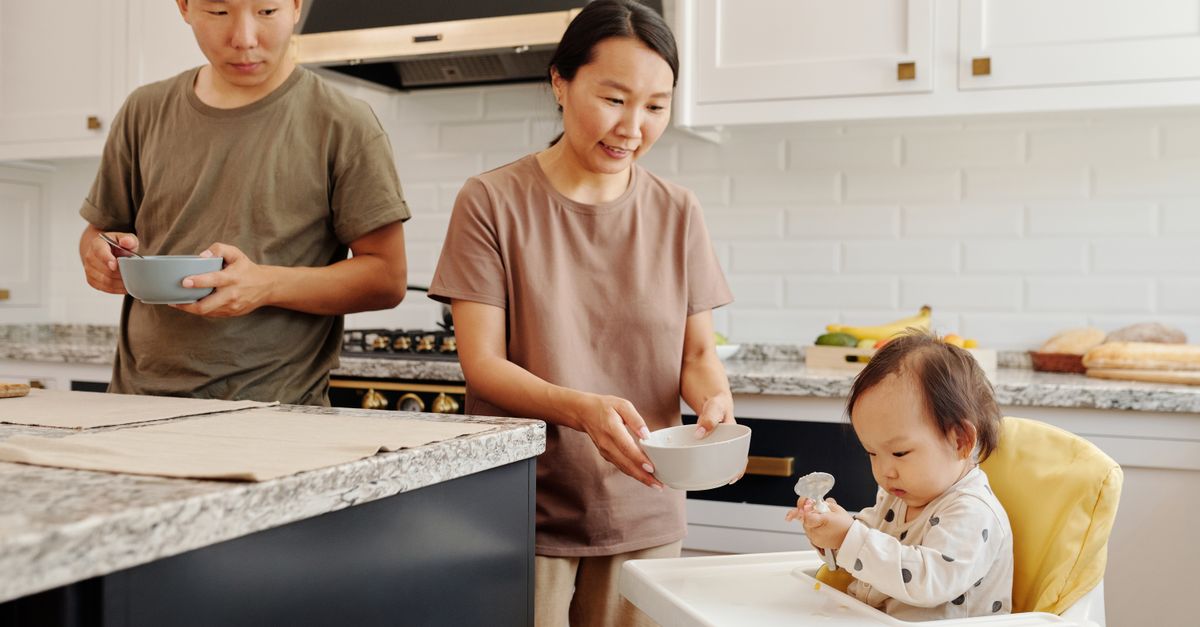
A stable, upright high chair makes self-feeding safer and less messy; see our guide to the best high chairs in Singapore. Lay a splat mat under the chair, dress your baby for mess, and keep meals relaxed and unhurried. When eating out or at a hawker centre, you can offer plain steamed vegetables, soft rice, or a deboned piece of fish, just watch the salt and skip the sauces and stock, which are high in sodium for babies.
Expect very little food to actually be eaten at first, and expect some refusals: that is normal learning, not fussiness. Keep offering variety without pressure. If mealtimes later become a battle, our tips for fussy eaters in Singapore may help. Let your infant-care centre know how you are feeding so they can follow your approach.
Frequently asked questions
When can I start baby-led weaning?
Usually around six months, once your baby can sit upright with support, holds their head steady, has lost the tongue-thrust reflex, and can bring food to their mouth. Look for these signs together rather than going by age alone, and use corrected age if your baby was premature.
Is baby-led weaning safe, and does it cause more choking?
When you follow safe-eating rules, research has not shown that baby-led weaning causes more choking than spoon-feeding. The keys are seating your baby fully upright, staying with them, offering soft squashable finger-sized pieces, and avoiding choking hazards. Learning infant first aid before you start is strongly recommended.
Do I still give milk during baby-led weaning?
Yes. Breast milk or formula remains your baby's main source of nutrition through the first year. Early solids are about learning to eat, so continue milk feeds on demand and let food intake build up gradually.
What foods should I avoid?
Avoid whole nuts, whole grapes and cherry tomatoes (quarter them), hard raw apple or carrot, popcorn, hard sweets, large chunks of meat, and anything round, hard or sticky. Also avoid added salt and sugar, and no honey before 12 months.
Can I mix baby-led weaning with purees?
Absolutely. A combined approach is common and completely fine: offer finger foods for self-feeding plus the occasional spoon of porridge or yogurt. Do whatever keeps mealtimes safe, calm and enjoyable for your family.
Baby Choking First Aid: What Every Singapore Parent Should Know
Baby choking first aid in Singapore: spot true choking, do infant back blows and chest thrusts, know when to call 995, a...
11 min read
Colic vs Reflux in Babies: A Singapore Parent's Guide to Soothing and Knowing When to Worry
Tell baby colic, reflux and wind apart in Singapore: what's normal, soothing tips that help, safe-sleep rules and the re...
10 min read
Baby Eczema in Singapore: Calm Skin in a Hot, Humid Climate
A calm, practical guide to baby eczema in Singapore: hot, humid-climate triggers, soak-and-seal moisturising, managing t...
11 min read