

Babymoon Singapore: when to go, where to stay and how to travel safely

In this article
A babymoon is simply a relaxing trip you take before your baby arrives, usually as a couple, to rest and reconnect while it is still easy to do so. If you are planning a babymoon Singapore offers two easy paths: a local staycation with zero travel stress, or a short-haul escape to a nearby Asian destination. For most healthy pregnancies, the sweet spot to travel is the second trimester, roughly week 14 to week 28, when early nausea has usually faded and you are not yet close to your due date. Always clear any trip with your own doctor first, because every pregnancy is different.
The rest of this guide walks through the best time to go, the kinds of places that suit a babymoon from Singapore, and the practical safety steps for travelling comfortably while pregnant, from flight cut-off dates to keeping your blood moving on a long flight.
When is the best time for a babymoon?
The second trimester is widely considered the most comfortable window for travel. By around week 14 the worst of the first-trimester tiredness and nausea has often eased, your energy tends to return, and your bump is not yet large enough to make sitting, walking and sleeping awkward. Many mums find weeks 18 to 24 the genuine sweet spot.
The first trimester can work too, but morning sickness, fatigue and the higher emotional load of early pregnancy can take the shine off a trip. The third trimester is when most people scale back: you tire faster, swelling and back ache are more common, and airlines apply cut-off dates for flying as you approach your due date. If you want to understand how your body is changing across the journey, our guide to pregnancy week by week in Singapore sets out what to expect at each stage.
| Trimester | Weeks | Good time to travel? | Why |
|---|---|---|---|
| First | 1 to 13 | Possible, but often tiring | Nausea, fatigue and frequent early scans can make travel uncomfortable |
| Second | 14 to 28 | Usually the best window | Energy returns, nausea eases, bump is still manageable for sitting and walking |
| Third | 29 to 40 | Possible early on, harder later | More fatigue and swelling, plus airline cut-off dates near your due date |
Where to go: Singapore staycations
If you would rather skip flying altogether, a staycation is the lowest-stress babymoon you can plan. There is no airport, no time zone shift, and your gynae and hospital are minutes away if you need them. It is also kinder on your energy in any trimester.
Beachfront and resort-style staycations
Singapore's island and coastal resorts give you that holiday feeling without leaving the country. Look for somewhere with a quiet pool, a spa that offers prenatal treatments, and easy access to food so you are not walking far when you are tired. Gentle swimming and short strolls are usually fine in a healthy pregnancy; if you want ideas for staying active safely, see our guide to safe exercise during pregnancy in Singapore.
City hotel staycations
A central city hotel is ideal if you want comfort, room service and a good bed over activity. You can pace yourself, order in when the heat is too much, and keep outings short. Choose a hotel with lifts to everything and avoid packing your days; the whole point is rest.
- Pick somewhere with a pool or spa for gentle, low-impact relaxation
- Confirm prenatal massage is available and that therapists are told you are pregnant
- Stay close to your hospital or clinic for peace of mind
- Keep daily plans light, with built-in nap and rest time
- Have your maternity notes and your gynae's contact details with you
Where to go: short-haul Asia destinations
If you are in the second trimester and your doctor is happy for you to fly, a short-haul trip keeps flight time low while still giving you a proper change of scene. Shorter flights mean less time sitting still, which matters for circulation, and a smaller time difference is easier on a tired body.
Think in terms of general categories rather than a fixed list. A nearby beach resort suits couples who want to do nothing but rest by the water. A relaxed city break works if you prefer cafes, gentle sightseeing and easy days. A nature or wellness retreat can be lovely if you want quiet, fresh air and spa time. Whichever you choose, favour direct flights, good medical facilities at the destination, and accommodation where you can rest easily.
- Keep flight time short and choose direct routes where possible
- Check the destination has reliable hospitals and clinics nearby
- Avoid areas with active health advisories or mosquito-borne disease risk; ask your doctor
- Be cautious with food and drinking water to avoid stomach upsets
- Build in slow days rather than long sightseeing itineraries
How to travel safely while pregnant
The biggest single rule is to involve your doctor early. They know your pregnancy, can flag any reason not to travel, and can advise on timing. Bring a copy of your maternity records and a note of any medication you take, and know where the nearest hospital is wherever you are going.
Flying and airline cut-off dates
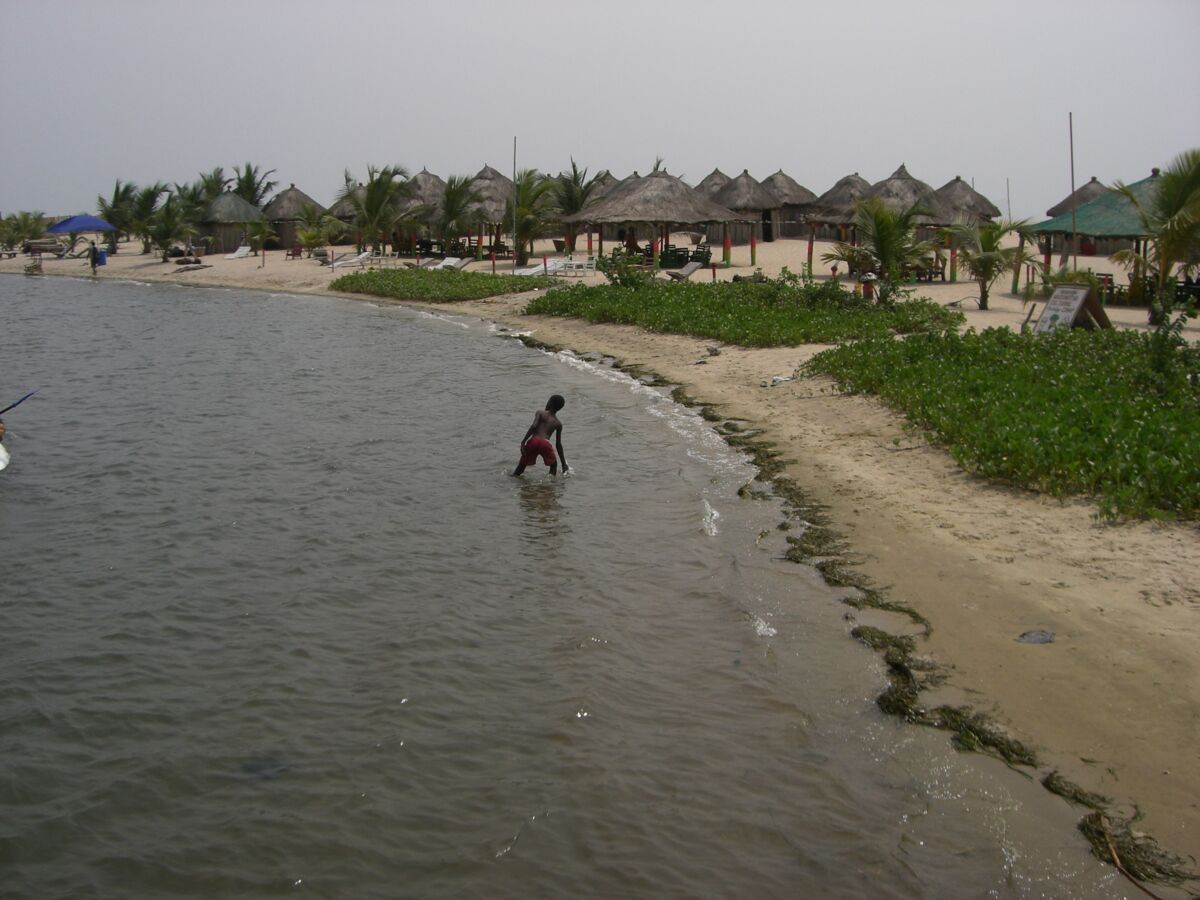
Airlines set limits on how late into pregnancy you can fly, and these often kick in from around the late second trimester onwards. Some carriers ask for a doctor's letter beyond a certain number of weeks. Check the specific airline's pregnancy policy when you book and again before you travel, and remember the cut-off usually applies to your return date, not just your outbound flight.
Blood clots and long-haul flights
Pregnancy raises the risk of deep vein thrombosis (DVT), a blood clot that can form in the legs, and sitting still for long periods on a flight adds to that risk. Reduce it by getting up to walk every hour or two, flexing and circling your ankles in your seat, drinking plenty of water, and avoiding sitting cross-legged for long stretches. Compression stockings can help on longer flights; ask your doctor whether they are right for you. This is one reason short-haul trips are easier when you are pregnant.
Comfort, food and packing
Travel can stir up the usual pregnancy aches, so plan around them. Wear loose clothing and supportive shoes, keep your seatbelt low under your bump, and choose an aisle seat for easy toilet trips. Eat carefully to avoid food poisoning, stay hydrated, and carry healthy snacks for the journey. If you are unsure which symptoms are normal and which are not, our guide to common pregnancy discomforts by trimester is a useful reference to take with you.
- Carry your maternity notes and your gynae's contact details
- Keep any medication in your hand luggage
- Pack snacks, a refillable water bottle and any anti-nausea remedies you use
- Note the nearest hospital at your destination before you arrive
- Buy travel insurance that explicitly covers pregnancy and related care
Planning your babymoon timeline
Line your trip up with your antenatal care so nothing clashes. Many scans and checks happen on a set schedule, so plan the babymoon around them rather than over them; our overview of prenatal checkups and scans in Singapore shows the typical rhythm of appointments. Aim to travel comfortably within the second trimester, leave room afterwards to slow down at home, and keep the trip itself gentle and unhurried.
Once you are home and into the later weeks, attention naturally shifts to getting ready for the birth. When that time comes, our hospital bag checklist for Singapore makes the final stretch of preparation a lot calmer.
Frequently asked questions
What is the best time in pregnancy to take a babymoon?
For most healthy pregnancies, the second trimester, roughly week 14 to week 28, is considered the most comfortable time to travel. Energy has usually returned, early nausea has eased, and you are not yet close to your due date. Always confirm with your own doctor first.
Is it safer to do a staycation or fly somewhere?
A Singapore staycation is the lower-stress choice because there is no flight, no time difference and your hospital is close by. A short-haul flight to a nearby Asian destination can be fine in the second trimester if your doctor approves, you keep flight time short, and the destination has good medical facilities.
How do I reduce the risk of blood clots on a flight?
Pregnancy increases the risk of deep vein thrombosis, so move around the cabin every hour or two, flex and circle your ankles while seated, drink plenty of water, and avoid sitting cross-legged for long periods. Ask your doctor whether compression stockings are advisable for your flight.
Do airlines limit how late in pregnancy I can fly?
Yes. Airlines set cut-off dates based on how many weeks pregnant you are, and many require a doctor's letter beyond a certain point. The limit usually applies to your return flight as well as your outbound one, so check your specific airline's pregnancy travel policy before you book and again before you fly.
Do I need special travel insurance for a babymoon?
It is strongly recommended. Choose a policy that clearly covers pregnancy and any related medical care or early delivery while you are away. Read the wording carefully, as some policies exclude pregnancy beyond a certain number of weeks.
Bali With Kids: A Family Holiday Guide From Singapore
Planning Bali with kids from Singapore? The short flight, entry rules, best family areas, things to do, and real parent ...
11 min read
Batam With Kids: A Family Getaway Just a Ferry Ride From Singapore
Planning Batam with kids? Our family guide covers the short ferry from Singapore, resorts with pools, things to do, mone...
11 min read
Best Family Hotels in Singapore: How to Choose for a Staycation or Visiting Relatives
How to choose the best family hotels in Singapore for a staycation or visiting relatives: rooms, pools, kids' clubs, are...
10 min read