

Breast cancer in pregnancy in Singapore: a calm, careful guide
In this article
Finding out that breast cancer in pregnancy may be part of your story in Singapore is frightening, and it is right that you want clear answers. Here is the most important one first: it is uncommon, and in most cases it is treatable. A pregnancy does not usually mean choosing between your own health and your baby's. With the right team, many women are treated during pregnancy and go on to deliver healthy babies. This guide walks you through what pregnancy-associated breast cancer is, how it is found, and how it can be managed safely at each stage.
Take your time with this. You do not need to absorb everything at once, and you do not have to make any decisions alone. The information below is meant to lower the fear that comes from not knowing, while being honest about what is involved.
What pregnancy-associated breast cancer means
Pregnancy-associated breast cancer is the term doctors use for breast cancer diagnosed during pregnancy or in the first year after giving birth, including while breastfeeding. It is not caused by the pregnancy itself. The cancer was developing, and the pregnancy happened to be the season of life when it was found. That distinction matters, because nothing you did or did not do during your pregnancy caused this.
Pregnancy changes the breasts in normal, expected ways. They enlarge, feel fuller and lumpier, and can become engorged, especially in later pregnancy and during breastfeeding. These same changes can make a new lump harder to notice or easy to dismiss as ordinary. That is precisely why any new lump that persists deserves to be checked rather than waited out.
Finding a lump and when to see a doctor
You know your body. During pregnancy and breastfeeding the breasts feel different, so the goal is not to panic at every change but to notice anything that stands out and does not settle. It is reasonable to get something checked early, even if it turns out to be nothing, because most breast changes in pregnancy are not cancer.
Consider seeing your doctor if you notice any of the following and they do not go away:
- A new lump or thickened area in the breast or armpit that stays after a few weeks
- A lump that feels distinctly firmer or different from the rest of the breast tissue
- Skin changes such as dimpling, puckering, redness or an orange-peel texture
- Nipple changes, including a new inward-pulling nipple or unusual discharge, especially if bloodstained
- Persistent pain or a hard area in one spot that does not improve, including a blocked-duct-type lump that will not clear
A blocked milk duct or a breast infection during breastfeeding is common and usually settles with the right care. If a lump or red, painful area does not improve as expected, it is sensible to ask for it to be looked at properly rather than assumed to be mastitis. Getting support early can also protect your feeding journey, and a lactation consultant or your gynae can point you to breastfeeding support in Singapore if feeding itself is part of the worry.
How breast cancer is diagnosed during pregnancy
Diagnosis in pregnancy is careful and deliberate, chosen to protect your baby while still giving clear answers. The same building blocks are used as outside pregnancy, with sensible adjustments.
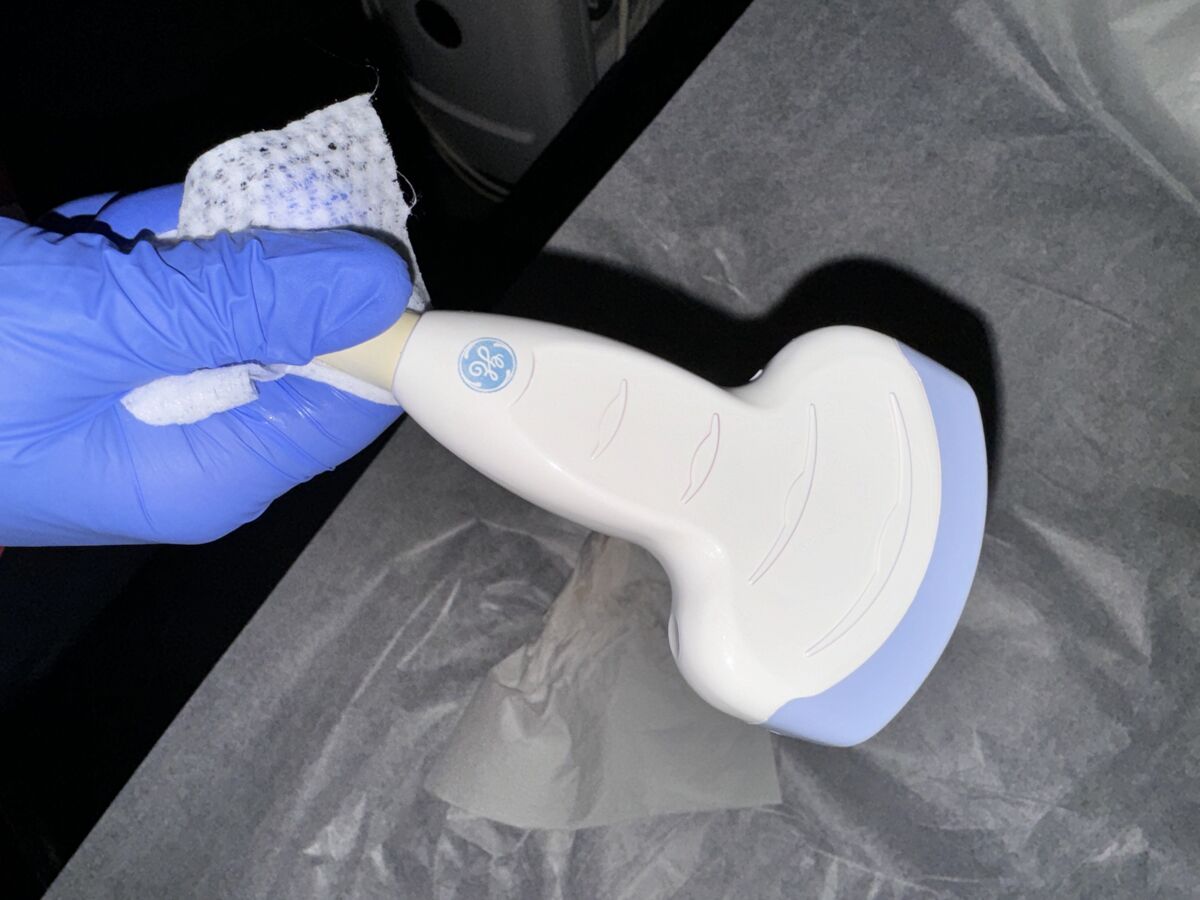
Ultrasound is usually the first imaging step. It uses sound waves, not radiation, and is considered safe in pregnancy, so it is often the preferred way to look at a breast lump and the lymph nodes under the arm. If imaging suggests something needs a closer look, a biopsy is done. A needle biopsy takes a small sample of tissue under local anaesthetic so it can be examined under a microscope, and it is the only way to confirm whether a lump is cancer. A biopsy can be done safely during pregnancy.
Mammograms are generally avoided as a routine step in pregnancy, but they can be performed when needed, with abdominal shielding to limit any radiation to the baby. MRI may be used in selected situations and is approached with care, particularly regarding contrast dye, which is usually avoided in pregnancy. Your team will choose the smallest set of tests that gives them the information they need, and they will explain why each one is being done.
Because diagnosis happens alongside your antenatal care, your breast specialists and your obstetric team coordinate closely. If you are still choosing your maternity care, our guides on choosing a gynae in Singapore and on prenatal checkups and scans may help you understand who is part of your wider team.
How treatment is planned safely by trimester
Treatment during pregnancy is planned around two goals at once: treating the cancer effectively and keeping your baby safe. The reassuring reality is that several standard treatments can be given during pregnancy, and the timing of others is simply adjusted until after delivery. Decisions depend on the type and stage of the cancer, how far along you are, and your own wishes, which is why no two plans look exactly the same.
The table below is a general orientation only. It is not a plan for your situation, and it does not replace the advice of your own doctors.
| Treatment | Safe to use in pregnancy? | Notes on timing |
|---|---|---|
| Surgery (lumpectomy or mastectomy) | Generally safe in all three trimesters | Often the first step. Anaesthesia and breast surgery can be done with obstetric input at any stage of pregnancy. |
| Chemotherapy | Can be given in the second and third trimesters; avoided in the first | Not used in the first trimester because of risk to the developing baby. Usually stopped near term, generally not after about 35 weeks or within roughly 3 weeks of the due date, to lower the risk of complications around delivery. |
| Radiotherapy | Usually delayed until after delivery | Typically postponed so the baby is not exposed to radiation, then given after birth if needed. |
| Hormone therapy (such as tamoxifen) | Usually delayed until after delivery | Avoided during pregnancy and started afterwards if the cancer is hormone-receptor positive. |
| Targeted therapy (such as anti-HER2 treatment) | Usually delayed until after delivery | Generally not given during pregnancy and planned for after birth based on the tumour type. |
In practice, this often means surgery may go ahead during pregnancy, chemotherapy may be given in the middle and later stages if it is needed, and radiotherapy, hormone therapy and targeted treatment are sequenced for after your baby arrives. The plan is built so that effective treatment is not delayed unnecessarily, while the most sensitive windows for your baby are protected.
Your care team and support in Singapore
You will not be navigating this alone. Care for breast cancer in pregnancy is delivered by a multidisciplinary team, which means several specialists planning together rather than one doctor working in isolation. This team typically includes:
- A breast surgeon, who assesses and may operate on the breast and lymph nodes
- A medical oncologist, who plans and oversees chemotherapy and other drug treatments
- An obstetrician, who looks after your pregnancy and the baby alongside the cancer treatment
- Breast care nurses, who coordinate appointments, explain each step and support you and your family
- Other specialists as needed, such as a radiologist, pathologist, radiation oncologist or counsellor
In Singapore, this kind of coordinated care is available through the public hospital system and at centres such as KK Women's and Children's Hospital, where obstetric and cancer expertise sit close together. Your first point of contact may be your gynae or a GP, who can refer you onward. Where there are other pregnancy concerns running in parallel, such as raised blood pressure, your obstetric team manages those too, and our guide on preeclampsia in Singapore explains one example of pregnancy care that may sit alongside cancer treatment.
Emotional and practical support matters as much as the clinical care. The Singapore Cancer Society runs a Reach to Recovery programme, in which trained breast cancer survivors offer peer support to women going through diagnosis and treatment. Speaking to someone who has walked a similar path, alongside professional counselling, can ease the loneliness that often comes with this news.
Frequently asked questions
Will I have to choose between my treatment and my baby?
Usually not. The whole approach to breast cancer in pregnancy is designed so that you can be treated while protecting your baby. Surgery is generally safe at any stage, chemotherapy can be used in the second and third trimesters when needed, and treatments that are unsafe in pregnancy are timed for after delivery. Many women in Singapore receive treatment during pregnancy and deliver healthy babies. Your team will talk through every option with you so the path forward is one you understand and agree with.
Is it safe to have a biopsy or ultrasound while pregnant?
Yes. Ultrasound uses sound waves rather than radiation and is considered safe in pregnancy, which is why it is often the first imaging test for a breast lump. A needle biopsy is done under local anaesthetic and can be performed safely during pregnancy. These steps give your doctors a clear answer, which is far better than waiting and worrying. If a mammogram is needed, it can be done with shielding to protect the baby.
Can I breastfeed during or after treatment?
It depends on the treatment and your situation, so this is a conversation for your own team. Some treatments, such as certain chemotherapy drugs and hormone therapy, are not compatible with breastfeeding, while at other points feeding may be possible. After surgery, feeding from one side may still be an option for some women. Your oncologist, obstetrician and a lactation consultant can guide you, and you can read more about getting help in our guide to breastfeeding support in Singapore.
Where do I start if I have found a lump?
Start by booking an appointment with your gynae or GP and describing exactly what you have noticed and for how long. They can examine you and arrange an ultrasound or a referral to a breast specialist if needed. You do not need a diagnosis before asking for help, and most lumps in pregnancy are not cancer. Getting checked early gives you answers and peace of mind, whichever way it turns out.
If this is where you are right now, please be kind to yourself. Seek the checks you need, lean on your medical team, and accept support from the people and services around you. You do not have to carry this alone.

- https://www.kkh.com.sg/patient-care/conditions-treatments/breast-cancer
- https://www.singhealth.com.sg/patient-care/conditions-treatments/breast-cancer
- https://www.cancer.gov/types/breast/patient/pregnancy-breast-treatment-pdq
- https://www.cancer.org/cancer/types/breast-cancer/treatment/treating-breast-cancer-during-pregnancy.html
- https://www.singaporecancersociety.org.sg/get-help/cancer-survivors/support-programmes.html

Antenatal Classes in Singapore: A First-Time Parent's Guide
Antenatal classes in Singapore explained: what prenatal classes cover, KKH/NUH/Thomson options, when to start, costs, an...
10 min read
Writing a Birth Plan in Singapore: A Flexible Guide for Mums-to-Be
How to write a flexible birth plan in Singapore: pain relief, birth positions, skin-to-skin, vitamin K, C-section and po...
9 min read
Common Pregnancy Symptoms by Trimester: What to Expect and How to Ease It
A trimester-by-trimester guide to common pregnancy symptoms in Singapore, with safe self-care for nausea, heartburn, bac...
10 min read