

Preeclampsia in pregnancy: warning signs Singapore mums should know
In this article
Pre-eclampsia is a pregnancy condition where your blood pressure rises and your organs (often the kidneys) start to show signs of strain, usually appearing after 20 weeks of pregnancy. If you have searched for clear information on preeclampsia in Singapore, the short version is this: it matters because, left unmonitored, it can affect both your health and your baby's growth, and in serious cases it can become dangerous quickly. The reassuring part is that antenatal care in Singapore is built to catch it early. Your blood pressure and urine are checked at every visit precisely so that pre-eclampsia can be spotted before it causes harm.
This guide walks you through what pre-eclampsia is, who is more likely to get it, the warning signs to watch for at home, how doctors here monitor and manage it, and the specific symptoms that mean you should not wait until your next appointment. It is written for reassurance and awareness, not to alarm you. Most pregnancies affected by pre-eclampsia are managed safely with regular checks and the right care at the right time.
What pre-eclampsia is and why it matters
Pre-eclampsia is a disorder of pregnancy marked by new high blood pressure together with signs that other organs are being affected, most often the kidneys (which may start leaking protein into the urine). It typically develops after 20 weeks of pregnancy, and it can also appear during labour or in the days shortly after birth. In Singapore, pre-eclampsia affects roughly 4 percent of pregnancies, so while it is not something every mum will face, it is common enough that every mum should understand it.
It matters because high blood pressure in pregnancy puts extra strain on you, and because the same problem with the placenta that drives pre-eclampsia can affect how well your baby is nourished and grows. The condition exists on a spectrum, from mild and easily monitored to severe. The good news is that the routine checks built into Singapore's antenatal schedule are designed to detect it early, often before you feel unwell at all. That is one reason attending every appointment matters so much. You can read more about what each visit covers in our guide to prenatal checkups and scans in Singapore.
Risk factors: who is more likely to get pre-eclampsia
Pre-eclampsia can happen to any pregnant woman, including those with no risk factors at all. That said, doctors recognise certain factors that raise the likelihood. Knowing whether they apply to you helps you and your gynae decide how closely to monitor your pregnancy, and whether preventive steps are worth discussing.
- A first pregnancy, or a first pregnancy with a new partner
- A history of pre-eclampsia in a previous pregnancy
- Chronic (pre-existing) high blood pressure, kidney disease or diabetes
- Carrying twins or more, which adds strain (see our guide to twins and multiple pregnancy)
- Being significantly overweight before pregnancy
- A family history of pre-eclampsia in your mother or sister
- Being older, or a longer gap since your last pregnancy
- Certain autoimmune conditions
If you are expecting more than one baby, your monitoring may be more intensive from the start, which is covered in our guide to twins and multiple pregnancy in Singapore. If you have diabetes or develop it during pregnancy, that is managed alongside blood-pressure monitoring; our guide to gestational diabetes in Singapore explains how those checks work. Having one or more risk factors does not mean you will develop pre-eclampsia. It simply means your care team may watch a little more closely, and that is a good thing.
Warning signs Singapore mums should watch for
One of the trickiest things about pre-eclampsia is that in its early stages it often causes no symptoms you would notice. The high blood pressure and protein in the urine that signal it can be silent, which is exactly why they are checked at every antenatal visit. As the condition progresses, though, some warning signs can appear. These are worth knowing so you can act rather than wait.
Some swelling in pregnancy, especially around the ankles and feet at the end of the day, is normal and very common. You can read about what is typical in our guide to common pregnancy discomforts by trimester. What is different with pre-eclampsia is swelling that comes on suddenly, particularly in the face and hands, often alongside other symptoms. The table below sets out the key warning signs and what to do about each.
| Warning sign | What it can mean | What to do |
|---|---|---|
| Severe or persistent headache that does not ease with rest | Possible rising blood pressure | Contact your maternity hospital or go in to be checked |
| Vision changes: blurring, spots, or flashing lights | A sign pre-eclampsia may be becoming severe | Seek urgent care the same day |
| Pain in the upper-right abdomen, just under the ribs | Possible liver involvement | Seek urgent care the same day |
| Sudden swelling of the face, hands or feet | Possible fluid retention from pre-eclampsia | Get your blood pressure and urine checked promptly |
| Reduced or noticeably different fetal movements | Baby may be under strain | Go to the hospital to be assessed without delay |
| Nausea or vomiting that is new in later pregnancy | Can accompany severe pre-eclampsia | Contact your doctor for advice |
How pre-eclampsia is monitored in Singapore
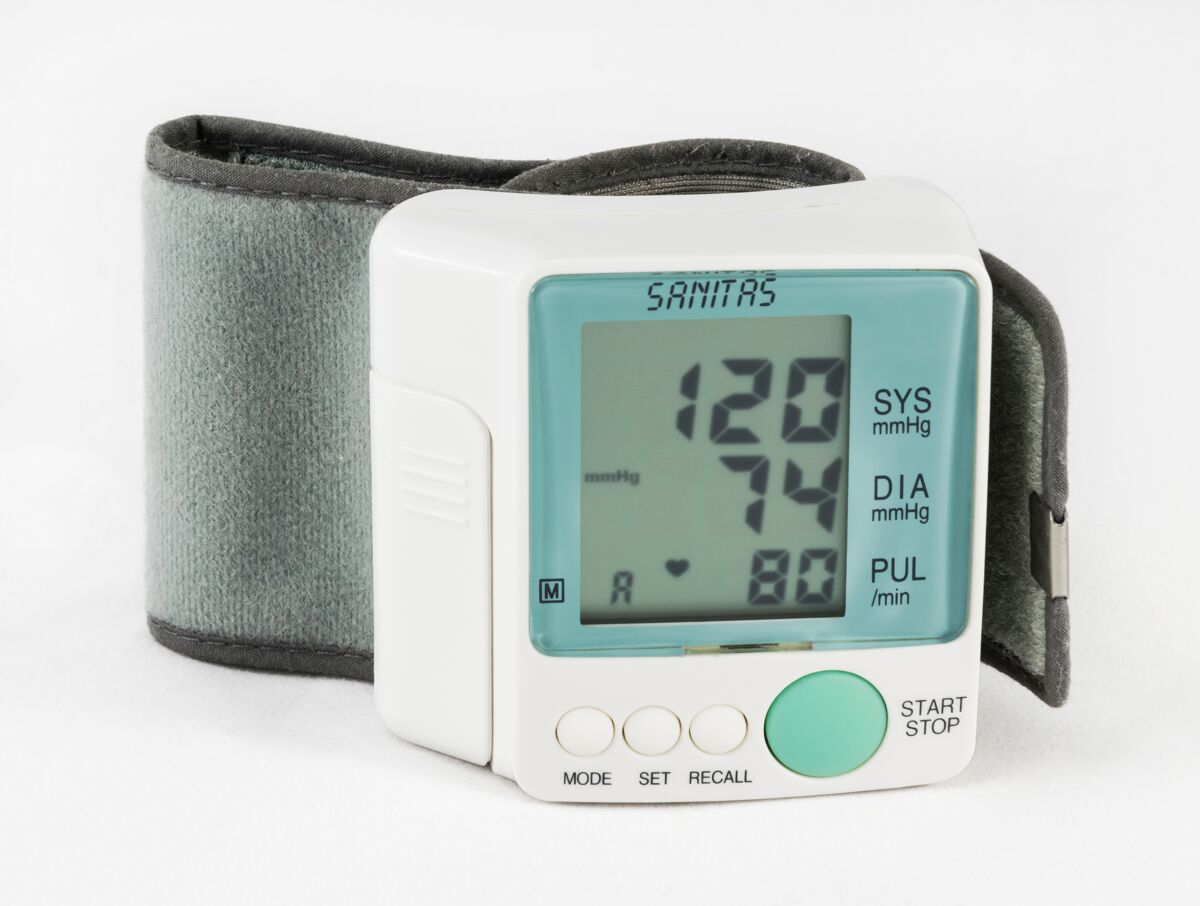
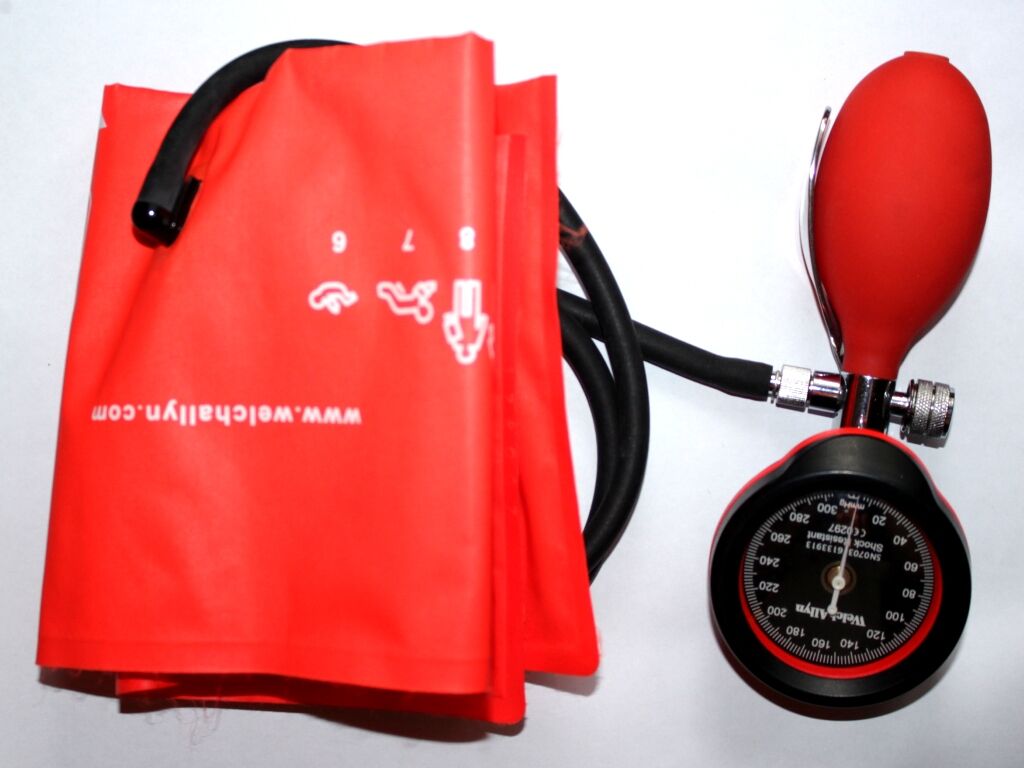
Monitoring is the heart of how pre-eclampsia is managed, and it starts with your routine antenatal visits. At every appointment, your blood pressure is measured and your urine is tested for protein. These two simple checks are the front line of detection, which is why doctors place so much weight on keeping every visit.
A blood pressure reading of 140/90 mmHg or higher, found on two separate occasions at least 4 hours apart, is the threshold that doctors treat as a concern in pregnancy. A single high reading on its own does not confirm pre-eclampsia, which is one reason your blood pressure may be re-checked. If your readings are raised or protein is found in your urine, your doctor will usually arrange further tests.
- Repeat blood pressure measurements to confirm the pattern
- Urine tests to measure how much protein is present
- Blood tests to check kidney function, liver function and platelets
- Ultrasound scans to monitor your baby's growth and the placenta
- Closer follow-up appointments, sometimes weekly or more often
- In some cases, admission to hospital for continuous monitoring
How closely you are watched depends on your readings, your symptoms and your risk factors. For some mums this means more frequent clinic visits; for others it means a hospital stay so that mum and baby can be monitored around the clock. Building a good relationship with a gynae you trust makes this process smoother, and our guide on how to choose a gynae in Singapore can help if you are still deciding.
How pre-eclampsia is managed and treated
The single most important fact about treatment is this: the only cure for pre-eclampsia is delivery of the baby and the placenta. Everything else doctors do is about controlling the condition and keeping you and your baby safe until the safest time to deliver. That timing is a careful balance between the risks of the pregnancy continuing and the benefits of giving your baby more time to mature.
Where pre-eclampsia is mild and stable, the plan is often watchful monitoring with frequent checks, aiming to reach a point in the pregnancy where delivery is safe for the baby. Medication may be used to help bring high blood pressure down. If pre-eclampsia becomes severe, or if either you or your baby shows signs of being at risk, your doctors may recommend delivering earlier, sometimes by induced labour and sometimes by caesarean section, depending on the situation.
Pre-eclampsia does not always end the moment your baby is born. Blood pressure can stay high for a period afterwards, and in some cases pre-eclampsia first appears after delivery. Because of this, your blood pressure will continue to be monitored in the days following birth, and you should keep watching for the same red-flag symptoms during this time. If anything concerns you after you go home, contact your hospital.
For mums who have had pre-eclampsia in a previous pregnancy, it is worth raising this early with your gynae in any future pregnancy. Doctors may discuss preventive measures and a closer monitoring plan from the outset. Decisions about any medication during pregnancy should always be made with your own doctor, who knows your full history.
Frequently asked questions
At what stage of pregnancy does pre-eclampsia usually start?
Pre-eclampsia usually develops after 20 weeks of pregnancy. It can also appear during labour or in the days after delivery, which is why blood pressure is monitored both during pregnancy and after birth. It is uncommon before 20 weeks.
Can I prevent pre-eclampsia?
There is no guaranteed way to prevent pre-eclampsia, because it can happen even without any risk factors. However, attending all your antenatal appointments allows it to be caught early, and if you have risk factors your doctor may discuss preventive steps and closer monitoring with you. Always follow your own doctor's advice rather than starting anything on your own.
Is the swelling in my feet a sign of pre-eclampsia?
Mild swelling of the ankles and feet, especially later in the day, is very common and usually a normal part of pregnancy. The swelling that concerns doctors with pre-eclampsia tends to come on suddenly and affects the face and hands, often alongside other symptoms such as headache or vision changes. If your swelling is sudden or you have other symptoms, get checked.
How is pre-eclampsia actually diagnosed?
It is diagnosed mainly through your antenatal checks. A blood pressure reading of 140/90 mmHg or higher on two occasions at least 4 hours apart, together with signs such as protein in the urine or affected organ function, points to pre-eclampsia. Your doctor confirms it with repeated readings, urine tests and blood tests.
Will having pre-eclampsia mean I need a caesarean?
Not necessarily. Many mums with pre-eclampsia have a vaginal birth, sometimes after labour is induced. A caesarean is recommended when it is the safer option for you or your baby, based on how severe the condition is and how your baby is doing. Your obstetrician will guide the decision with you.

Antenatal Classes in Singapore: A First-Time Parent's Guide
Antenatal classes in Singapore explained: what prenatal classes cover, KKH/NUH/Thomson options, when to start, costs, an...
10 min read
Writing a Birth Plan in Singapore: A Flexible Guide for Mums-to-Be
How to write a flexible birth plan in Singapore: pain relief, birth positions, skin-to-skin, vitamin K, C-section and po...
9 min read
Breast cancer in pregnancy in Singapore: a calm, careful guide
A gentle, factual guide to breast cancer in pregnancy in Singapore: how it is diagnosed and treated safely, and where to...
9 min read