

Haze and Kids in Singapore: A Parent's Guide to Keeping Children Safe
In this article
- What haze is and why children feel it first
- How to read the PSI and PM2.5
- Signs to watch for in your child
- Turning your home into a clean-air refuge
- Keeping kids busy and sane indoors
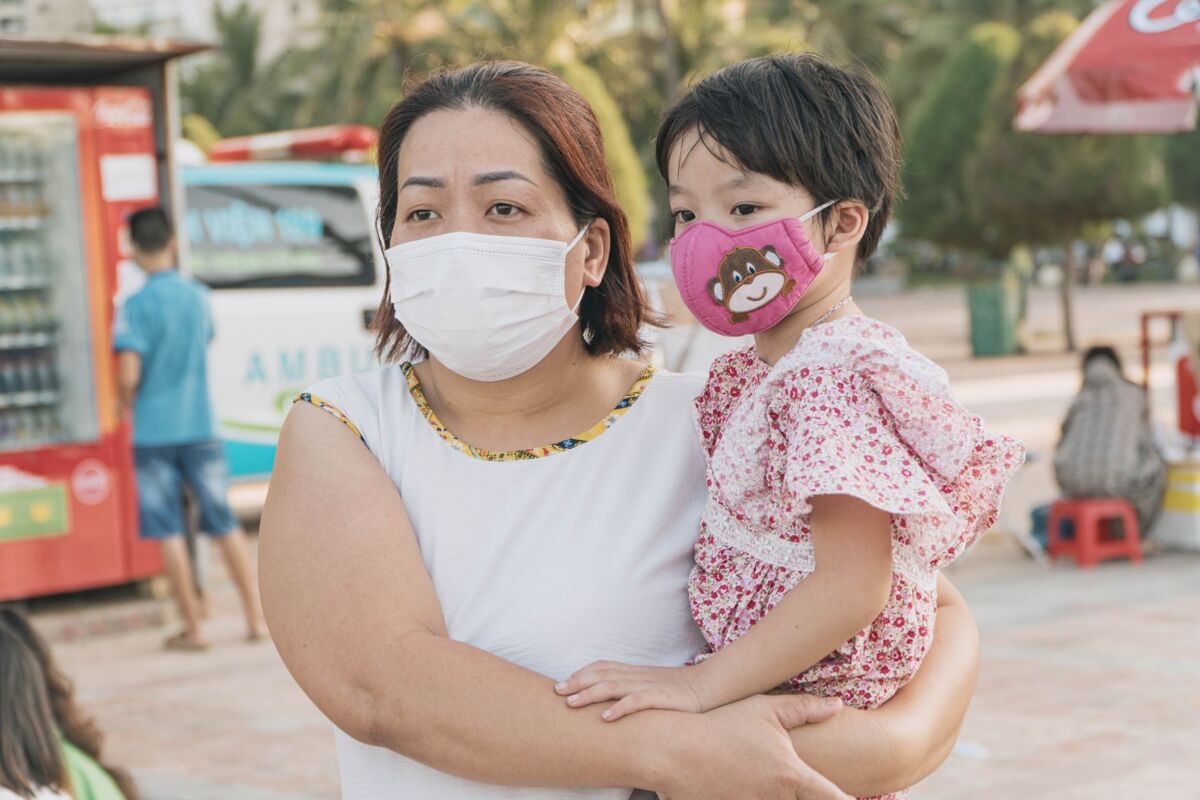
- Why masks are not the easy answer for little ones
- Managing kids with asthma or allergies
- School and childcare haze policies
- Checking the readings without the fuss
- Frequently asked questions
When the sky goes milky, the sunset turns an odd orange, and that burnt-wood smell creeps in through the windows, every parent in Singapore asks the same thing: is it still okay to let the kids out? Haze tends to roll in during the drier stretch of the year when regional hot-spot activity picks up, and it can change from a clear morning to a grey afternoon within hours. This guide is for parents of babies, toddlers and school-age children who want a calm, practical plan: how to read the numbers, what the official activity bands actually mean for kids, how to make your home a clean-air refuge, why masks are not the easy answer for little ones, and when a cough is worth a doctor's visit. None of it requires panic, just a few good habits and the discipline to check the live readings before you commit to outdoor plans.
What haze is and why children feel it first
The haze that reaches Singapore is mostly fine particulate pollution carried in on the wind from regional land and forest fires, mixed with gases such as sulphur dioxide and nitrogen dioxide. The component that matters most for health is PM2.5: particles smaller than 2.5 microns across, fine enough to slip past the body's normal defences and travel deep into the lungs. You cannot filter them out with a tissue or a cupped hand.
Children are more exposed than adults for simple reasons. They breathe faster, drawing in more air and more particles per kilogram of body weight, and their airways and lungs are still developing. They also tend to be the keenest to run around outside, the very activity that makes them breathe harder and deeper. Babies and very young toddlers, children with asthma or other respiratory conditions, and any child with a heart or lung problem sit in the most sensitive group. One useful thing to know: the body's reaction can lag the exposure by a day or two, so a cough that appears after a hazy spell may still be related to it.
How to read the PSI and PM2.5
Singapore publishes two figures you will want to recognise, both from the National Environment Agency (NEA). The 24-hour PSI (Pollutant Standards Index) is the headline daily air-quality number and is best for planning the day ahead. The 1-hour PM2.5 reading moves much faster and is the one to glance at for an in-the-moment call, like whether to walk to the playground in the next half hour. Both are reported by region: North, South, East, West and Central.
The 24-hour PSI bands and what they mean for kids
NEA and MOH group the 24-hour PSI into five bands, each with activity guidance. Crucially, the advice differs for healthy people versus sensitive groups, and children sit in the sensitive group alongside the elderly, pregnant women, and anyone with chronic heart or lung disease. The summary below reflects the official health advisory, but the exact band wording is updated from time to time, so treat this as orientation and always read the live advisory attached to the current reading.
- 0 to 50 (Good) and 51 to 100 (Moderate): normal activities are fine for everyone, including children.
- 101 to 200 (Unhealthy): healthy people are advised to reduce strenuous outdoor exertion; sensitive groups, including children, should minimise prolonged or strenuous outdoor activity. In practice this is the point to start moving active play indoors.
- 201 to 300 (Very Unhealthy): healthy people should avoid strenuous outdoor exertion; sensitive groups, including children, should avoid outdoor activity and stay indoors. For babies and young toddlers, be more cautious and keep them inside.
- Above 300 (Hazardous): healthy people should minimise outdoor activity; sensitive groups, including children, should avoid outdoor activity altogether and stay indoors.
The 1-hour PM2.5 reading
Alongside the daily PSI, NEA reports 1-hour PM2.5 concentrations in plain bands such as Normal, Elevated, High and Very High. Because this window is short, it is the better gauge when haze builds quickly, for example when a plume drifts in over an hour or two and the daily PSI has not caught up. For the exact thresholds and your region's current figure, check the official portal, where the numbers and advisory wording are kept up to date.
Signs to watch for in your child
Most healthy children handle a short, mild hazy stretch without any lasting harm, but it helps to know the irritation symptoms so you can act early rather than wonder. Keep an eye out for:
- Coughing, frequent throat-clearing, or complaints of a scratchy throat
- Red, watery, itchy or gritty eyes (conjunctivitis-style irritation)
- A runny or blocked nose and sneezing (rhinitis), which haze can trigger or worsen
- Wheezing, breathlessness, or chest tightness, especially in a child with asthma
- More tiredness, irritability or fussiness than usual, or a reluctance to play
Mild irritation that settles once your child is indoors in clean air is usually nothing to worry about. Because symptoms can lag the exposure by a day or two, keep watching for a short while after a bad spell clears. If your child has a worsening cough, any difficulty breathing, eye or throat irritation that will not settle, or asthma symptoms not responding to their usual reliever, seek medical advice promptly rather than waiting it out. If you are still choosing a regular doctor, our guide to choosing a paediatrician in Singapore can help you find one before you need them.
Turning your home into a clean-air refuge
During a hazy stretch, the single most effective thing you can do for young children is keep them indoors with the home sealed up. Indoor air is generally cleaner when readings are high, and you can make it cleaner still.
- Close windows and doors when the air outside is poor, and keep them shut through the worst hours, which are often the afternoon and evening during a plume.
- Run a portable air purifier with a true HEPA filter in the rooms your child uses most, typically the bedroom and the living area. HEPA filters are designed to capture fine PM2.5 particles. Keep the filter clean and replace it on schedule, since a clogged filter works poorly.
- Use air-conditioning thoughtfully. Running the air-con in recirculate mode with clean filters helps; if your unit draws in unfiltered outdoor air, that intake should be managed. Clean or service the filters so you are not just blowing dust around.
- Cut indoor pollution sources. No smoking indoors, and skip incense, candles, and anything that burns, all of which add particles to the very air you are trying to protect.
- Clean with a damp cloth, not a dry sweep. Mopping and wiping trap settled particles; dry sweeping or a vacuum without a good filter can lift them back into the air.
- Keep kids hydrated with plenty of water, which eases a dry, scratchy throat.
- Ventilate when the air improves. Once the reading drops back to Good or Moderate, open up and air the home out before sealing it again for the next spell.
If you do not own a purifier and readings are climbing, an air-conditioned public space such as a library, mall or community centre is a sensible place to ride out the worst of an afternoon. The aim is simply to put a wall of cleaner air between your child and the haze.
Keeping kids busy and sane indoors
A hazy week can feel like a very long wet-weather day, and bored, cooped-up children get restless fast, so it helps to have a plan ready before you need it. Keep a small box of low-mess, screen-free activities on standby: sticker books, building blocks, simple craft, play dough, a cushion obstacle course, or a baking session that doubles as a snack. Movement matters too, since the playground is off the table for now. Gentle indoor movement burns off energy without sending anyone outside; our notes on kids yoga in Singapore suit a small space. Haze stretches are also one of the few times screens earn their keep, so if you lean on a tablet for a couple of hard hours, our take on managing screen time for kids helps you do it without a meltdown when it is time to switch off.
Why masks are not the easy answer for little ones
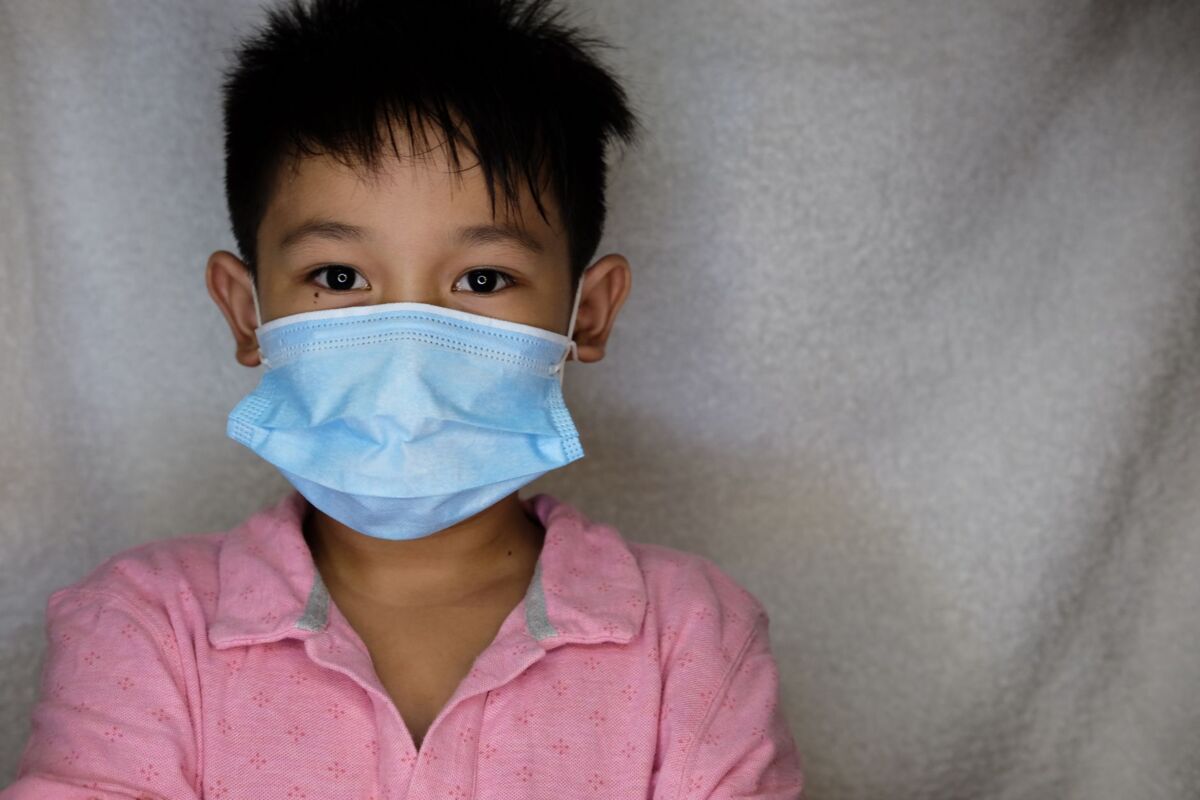
This is the part that surprises a lot of parents. The everyday surgical or cloth masks that are easy to buy do not filter fine PM2.5 particles, so they give almost no protection against haze, even if they dull the smell. N95 respirators do filter PM2.5, but only when they form a tight seal against the face, and they need to be sized and fitted for each user. They are designed for adults and are generally too large to seal on the small face of a baby, toddler or young child, and a mask that gaps at the edges lets unfiltered air straight in.
Child-sized and ventilated versions exist, but there is no established N95 certification for young children, so you cannot assume they perform to standard, and N95s make breathing noticeably harder - a real concern for a small child. So the better strategy for young ones is simple: reduce exposure by staying indoors rather than relying on a mask. If a child does wear one, remove it and get them to clean air at once if they become breathless, dizzy or uncomfortable. For an older child, ask your doctor first and treat NEA and HealthHub guidance as the final word. As a reference point, the official advisory suggests healthy people generally only need an N95 outdoors when PSI is above 300, and those with chronic heart or lung conditions when it is above 200; for short indoor stays, cleaner air matters more than a mask.
Managing kids with asthma or allergies
Haze hits children with asthma, allergic rhinitis or other respiratory conditions harder, and it can trigger flare-ups, so a little preparation pays off. The best protection is having the condition well-controlled before haze season even starts. If your child is on a preventer (controller) medication, keep using it as prescribed and do not stop just because they seem fine. Make sure the quick-relief reliever inhaler is easy to find at home, and ideally a second one is with the school or childcare. If your child has a written asthma action plan, review it before the dry season and know exactly what to do when symptoms step up. Keep them well-hydrated, avoid other known triggers during a hazy spell, and lower the threshold for calling the doctor. Any significant difficulty breathing is a reason to seek urgent care rather than wait.
School and childcare haze policies
You will not have to decide everything alone. Schools, preschools and childcare centres in Singapore follow NEA's haze advisory, typically moving outdoor play, sports and assemblies indoors as readings climb into the unhealthy range and keeping children inside as the figures rise further; many also run classroom air purifiers during bad spells. It is worth asking your centre directly what their haze plan is: at what reading they move activities indoors, whether they have purifiers, and how they will reach you if a child needs to go home. If your little one is new to childcare, settling-in worries can compound a hazy week, and our guide to starting childcare and separation anxiety may help. Because the centre acts on the same official reading you can check yourself, you can plan in step with them.
Checking the readings without the fuss
Make checking the air a quick daily habit during the dry months, the same way you glance at the weather forecast:
- Open the official NEA haze portal or the myENV app for the current 24-hour PSI and 1-hour PM2.5 readings.
- Read the figure for your own region - North, South, East, West or Central - rather than an island-wide average, since the haze is rarely even.
- Glance at the 1-hour PM2.5 before any outing, since it moves faster than the daily PSI and better reflects right now.
- Read the health advisory band attached to the reading, which tells you in plain terms what is recommended for children and other sensitive groups that day.
For anything medical, the HealthHub haze pages and your child's doctor are the right places to turn. The numbers and the advice on these official channels are kept current, which makes them far more reliable than any fixed figure printed in an article.
Frequently asked questions
At what PSI should my child stay indoors?
As a general guide, NEA advises minimising prolonged or strenuous outdoor activity for children once the 24-hour PSI is in the Unhealthy range (101 to 200), and keeping children indoors when it reaches Very Unhealthy (201 to 300) or above. For babies and young toddlers, be more cautious and bring them inside earlier. These are guides only, so always follow the live advisory band on the NEA portal, which is the authoritative source and can change.
Should my toddler wear an N95 mask in the haze?
Generally no. N95 masks are not certified for young children, they are too large to seal on a small face, and they make breathing harder. Surgical and cloth masks do not filter fine haze particles at all. Keeping young children indoors in clean air is the safer approach. If you are considering a mask for an older child, ask your doctor first, and remove any mask and get the child to clean air if they feel breathless or dizzy.
Is an air purifier worth it for the haze?
For most families, yes. A purifier with a true HEPA filter is one of the most effective tools for reducing indoor PM2.5, and it is most useful in your child's bedroom and the main living area. Keep the filter clean and pair it with windows and doors shut when readings are high. If you do not have one, an air-conditioned mall, library or community centre is a reasonable fallback during the worst hours.
My child started coughing after the haze cleared. Is that normal?
It can be. The body's reaction to fine particles often lags exposure by a day or two, so a cough or scratchy throat appearing after a hazy spell may still be linked to it. Mild irritation that eases in clean air is usually not a concern. If the cough worsens, breathing becomes difficult, or asthma symptoms do not respond to the usual reliever, see a doctor promptly.
Can babies and toddlers still go to childcare during haze?
Usually yes, because centres follow NEA's advisory and move activities indoors and run purifiers as readings climb, so children stay in cleaner air rather than playing outside. Ask your centre what reading triggers their indoor plan and how they will contact you. If your child has asthma, make sure their reliever and action plan are with the centre.
Haze season passes, and most families get through it with steady planning rather than worry. Keep half an eye on the live readings, lean on clean indoor air and a purifier, keep the little ones busy inside, and check in with your doctor the moment something does not feel right. For more family health reading, visit our Fussy Mama blog.

Childhood Myopia in Singapore: A Parent's Guide to Signs, Prevention and Eye Checks
A Singapore parent's guide to childhood myopia: why it is so common, early signs, outdoor and screen habits that help, e...
11 min read
Choosing a Paediatrician in Singapore: A Practical Guide for Parents
How to choose a paediatrician in Singapore: GP vs polyclinic vs private PD, cost guidance, vaccinations, first-visit tip...
12 min read
Mosquito Repellent for Kids in Singapore: A Parent's Guide to Dengue Protection
How to choose mosquito repellent for kids in Singapore by age, protect babies from dengue, cover up, use nets, clear sta...
11 min read