

Family Zi Char in Singapore: A Parent's Guide to Cooked-to-Order Chinese Dinners
In this article
- What zi char actually is
- Why zi char suits families so well
- How to order: the dishes to know
- Dining with babies and toddlers
- How to pick a good zi char spot
- Celebrations, big groups and private rooms
- What it costs, roughly
- Where to find zi char near you
- Timing, crowds and other good-to-knows
- Frequently asked questions
Some nights the whole family is hungry, cranky and pulling in five directions, and nobody has energy for a set menu where one person sulks over a dish they did not choose. This is exactly the night zi char was made for. You drop into a no-frills eatery, order a few dishes to share, and within minutes the table is covered in sizzling plates: something fiery for the adults, something plain for the toddler, and rice or noodles to soak it all up. This guide is for Singapore parents who want one reliable, affordable way to feed the family out, from a quiet weeknight with a baby in a high chair to a noisy celebration with grandparents and cousins.
What zi char actually is
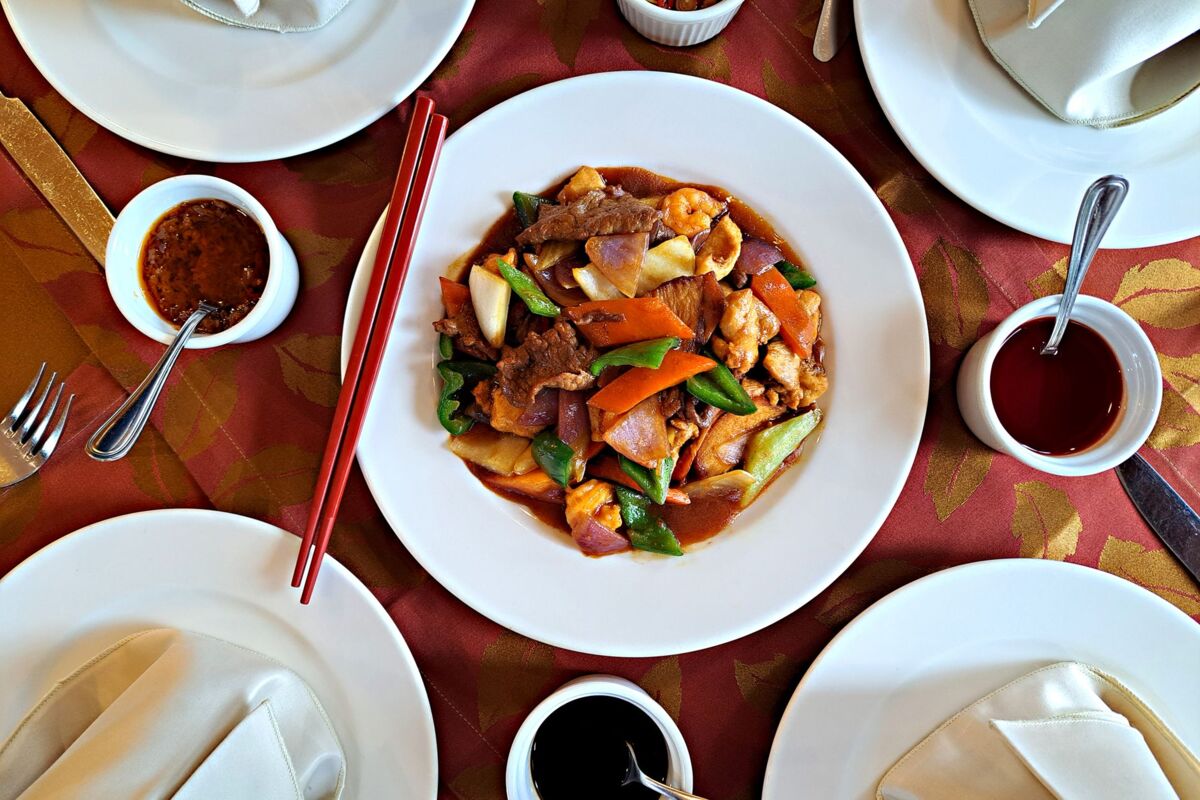
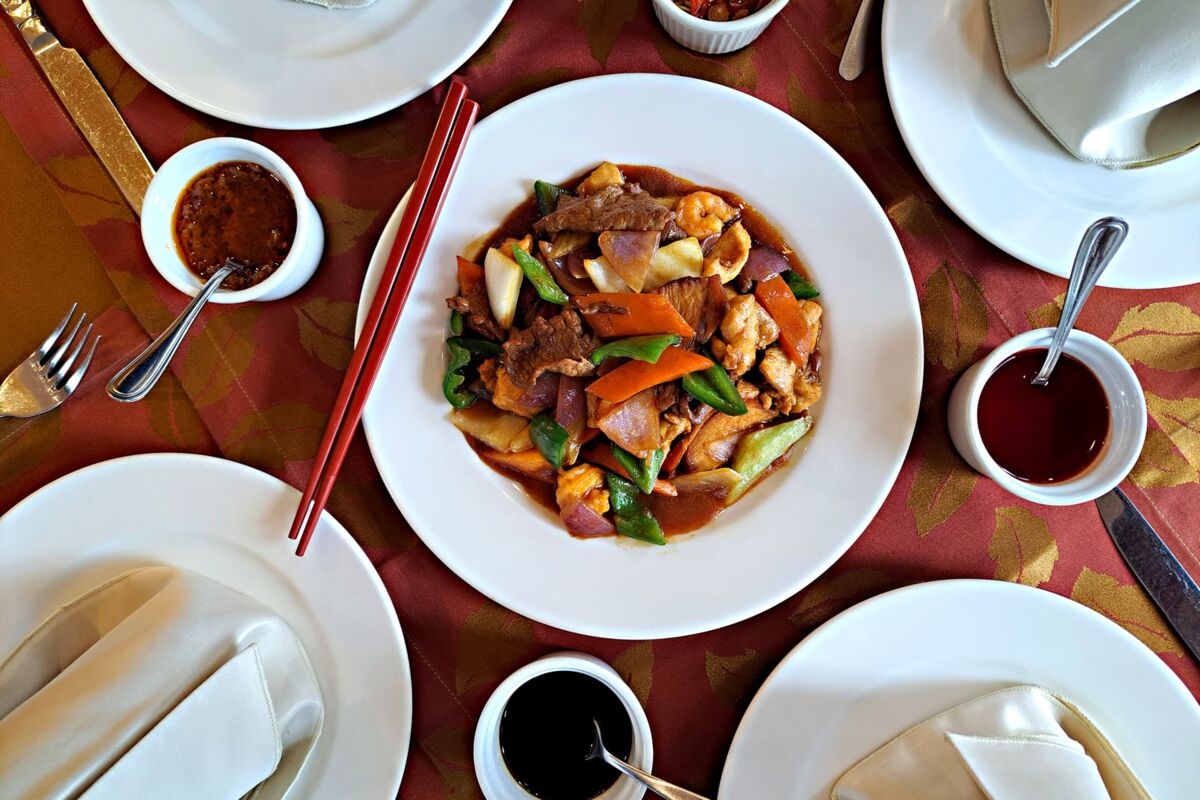
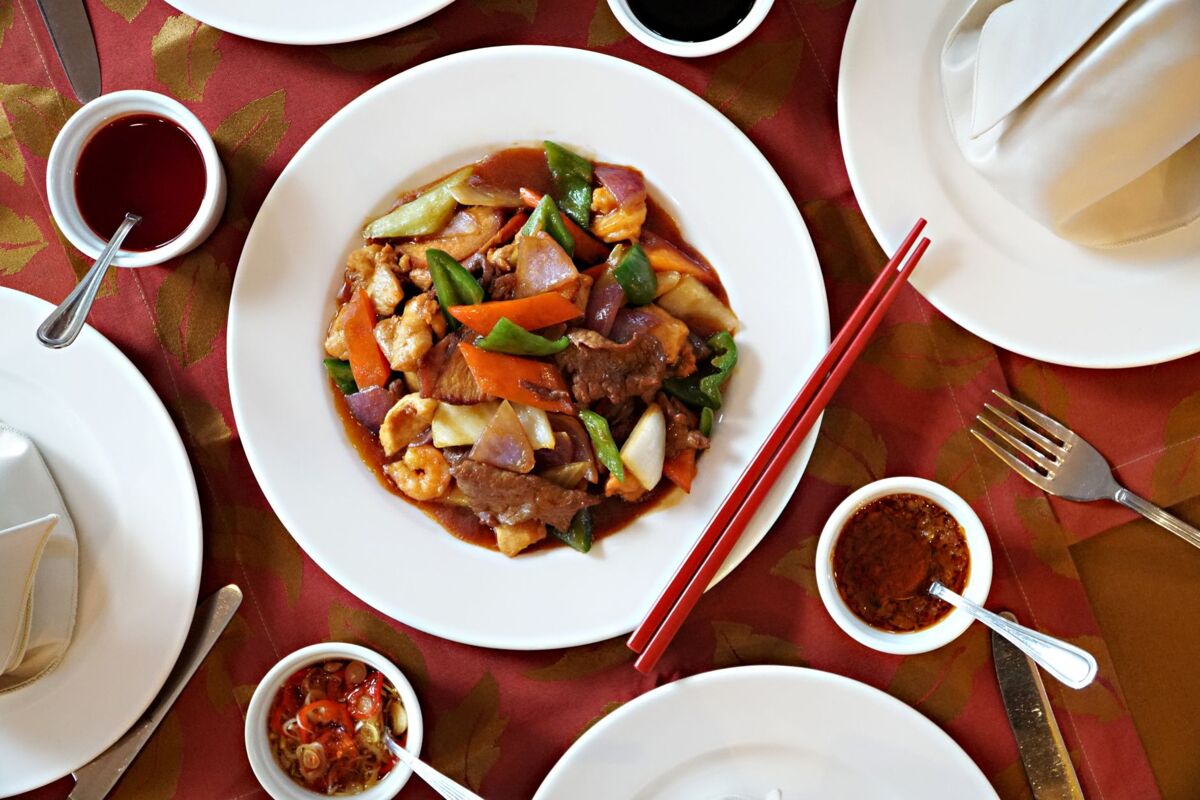
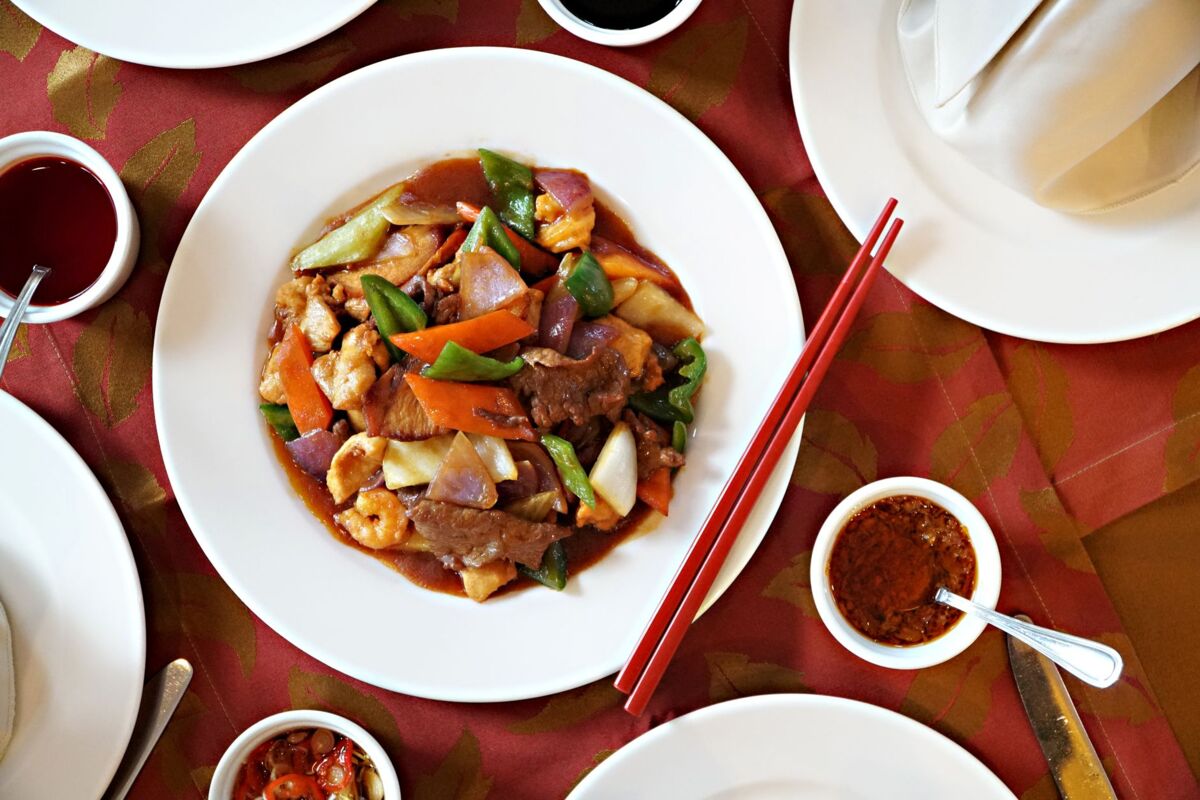
The term zi char (also written cze char or tze char) comes from Hokkien and loosely means "cook and fry". It describes casual, cooked-to-order Chinese food found in coffee shops, hawker centres and small standalone eateries across the heartlands. A cook works the wok to fire out home-style stir-fries, braises, seafood and noodle dishes one after another, made fresh for your table rather than ladled out of a tray.
The dining style is communal and unfussy: you pick several dishes, everyone shares, and you mix and match to suit who is eating. That flexibility is why it works for families, since nobody is locked into one plate and you can quietly steer the order around your kids. The roots run deep, too: many of the best-loved places began as a single hawker stall decades ago and grew into proper restaurants run by the second or third generation of the same family.
Why zi char suits families so well
If you have ever taken young children to a formal restaurant and spent the meal apologising, zi char is a relief. Here is why:
- Shared dishes mean no negotiations. Everyone eats from the middle of the table, so nobody is committed to one fixed meal. Add more rice, order an extra dish, hold the chilli on one plate. The whole order flexes around the kids.
- Variety lands in one sitting. Meat, seafood, vegetables, egg, soup and noodles arrive together, so the picky eater and the adventurous one are both fed.
- It stretches well for a group. Sharing a handful of dishes over rice usually works out cheaper per head than individual mains.
- The setting is forgiving, and it scales. A wriggly toddler and a bit of noise are normal here. The same kitchen that feeds a couple with a baby can feed a reunion; dishes simply get sized up, with no rigid banquet structure to wrangle.
How to order: the dishes to know
Most zi char menus run long, which is overwhelming when a child is melting down beside you. The trick is to think in categories rather than reading every line: one or two kid-friendly anchors, a vegetable, a protein the adults are excited about, and a carbohydrate to share.
Reliable wins for the kids
- Cereal prawns. Prawns in a crisp, lightly sweet buttery coating. Crunchy and moreish, and most children take to them quickly. Ask to leave out the cut chilli if your little one is spice-shy.
- Sweet and sour pork. Crispy pork in a tangy, slightly sweet sauce. Not hot, so usually a safe landing spot for all ages.
- Hor fun. Flat rice noodles in a savoury egg gravy, often with prawns or beef. Soft, comforting and easy to manage with a spoon.
- Egg dishes. Steamed egg, omelette with minced meat, or egg fried rice. Plain, filling and toddler-approved.
- Claypot tofu. Soft tofu braised with vegetables and sometimes minced meat in a mild sauce. Gentle texture and flavour, easy on new teeth and old.
- Steamed fish or a clear soup. Gives younger children and grandparents something soft and light alongside the richer plates.
Crowd-pleasers for the adults
This is where the spice and the showpieces live: sambal kangkong, prawn-paste chicken, salted egg prawns or chicken, chilli or black pepper crab, and various claypot or wok dishes with a real kick. If you want the family to share one, ask whether the kitchen can do a milder version, since many will happily ease off the chilli. Cooks here field these requests all day.
A workable rule of thumb if you freeze at the menu: roughly one dish per adult plus one shared carbohydrate, scaling gently for children. Order in rounds when unsure, starting with a couple of dishes and rice and adding more as the table clears it, which is the easiest way to avoid cold leftovers.
Dining with babies and toddlers
The everyday format makes zi char practical with very young children, but a little forethought smooths the evening.
- High chairs are hit or miss. Larger standalone eateries are more likely to keep a few than a single stall. If your child needs one, call ahead or bring a clip-on or portable seat as backup.
- Mind the hot plates, and cut and cool first. Sizzling claypots arrive genuinely hot, so seat little ones away from where dishes land. Prawns in shell, whole fish and bony cuts need a parent's hands first, so debone and cool before the under-fives dig in.
- Spice can hide in sauces. Even dishes that look plain may carry chilli oil or sambal, so when in doubt, ask, and serve children the parts you can see are mild.
- Facilities vary widely. Nursing corners and diaper-change tables are not a given at heartland eateries, where coffee shops and hawker centres usually share public toilets in the complex. Plan a feed or change before you sit down, or pick a mall-based outlet if you need them mid-meal.
How to pick a good zi char spot
Quality varies a lot from one wok to the next. A few practical signals help you choose well:
- Look for a busy kitchen. A steady stream of locals, plenty of families and a cook who barely stops usually means fresh, fast turnover. Empty at dinnertime in a residential area is a quiet warning.
- Watch what other tables order. If half the room has the same dish, that is the house specialty, and asking staff rarely steers you wrong.
- Recognition is a shortcut, not the whole story. Several long-running family eateries sit on the Michelin Guide's Bib Gourmand list, which highlights good food at friendly prices, though plenty of unlisted gems are just as good.
- Match the venue to the occasion. A coffee shop stall suits a casual weeknight; a larger restaurant suits a celebration where you want space or a guaranteed table. Read recent reviews with a pinch of salt, since hours, ownership and even the cook can change.
A well-known example of the family-run, grown-from-a-hawker-stall story is Keng Eng Kee Seafood (often shortened to KEK), which began as a stall in the 1970s, is now run by a later generation of the same family, and has a long-standing place in the Michelin Guide. We mention it only to illustrate the format; menus, prices and queues change, so confirm details on the restaurant's own site or by phone. For more dining ideas, our eat hub rounds up family-friendly spots across the island.
Celebrations, big groups and private rooms
Zi char comes into its own for milestone dinners: a baby's first month, a grandparent's birthday, a reunion where three generations crowd one table. Compared with a hotel banquet it is relaxed and affordable, and with a little planning it handles a crowd.
- Book if you have a big group. Smaller stalls often do not take bookings, but many standalone restaurants will hold a large table or private room if you call ahead, and weekends fill fast, so reserve early.
- Ask about private or semi-private rooms. Some larger places offer rooms seating from around ten to a couple of dozen guests, occasionally with a removable partition to combine spaces. These are gold for celebrations with elderly relatives or a noisy bunch of cousins.
- Pre-order the showpieces and confirm the fine print. Crabs, whole fish and anything slow are worth flagging when you book; also ask about minimum spend for a private room or a charge to bring your own cake.
- Plan seating for the very young and very old. Request seats near an aisle for prams, wheelchairs and toilet runs, and keep high chairs away from where hot dishes land.
What it costs, roughly
We deliberately avoid quoting exact prices, because menus and rates change constantly and seafood swings with the market. As a rough guide, an everyday zi char dinner of shared dishes and rice tends to land in the modest-to-moderate range per head, climbing once you add live seafood like crab or large prawns. Vegetables, eggs, tofu and rice are the budget-friendly anchors, so build the order around the cheaper staples and treat one seafood dish as the splurge. Ask how a market-priced dish is charged (often by weight), and confirm any service or private-room charges before you commit.
Where to find zi char near you
You really do not need to travel far. Zi char is woven into the neighbourhoods: a cooked-to-order stall inside an HDB-estate coffee shop, a stall among the options in a hawker centre, or a standalone eatery that has grown into a small restaurant with more seating, air-conditioning and a private room. Because most are heartland spots, MRT or bus access is usually easy and many sit at the foot of HDB blocks with parking nearby. Tables are often semi-outdoor, easy to roll a pram up to but exposed in the rain, so if a downpour is forecast and you want a guaranteed dry table, lean towards an air-conditioned or mall outlet and book ahead. For more outing ideas, browse our play hub and the latest what's on.
Timing, crowds and other good-to-knows
- Beat the dinner rush. Popular spots fill quickly and the kitchen builds a queue. Arriving before the peak means shorter waits and calmer kids, which is the whole game with young children.
- Bring some cash. Many stalls now take cashless payment, but smaller ones can be cash-only or set a card minimum, so a few notes help.
- Pack a small kit. Wet wipes, a bib, a familiar spoon and a quiet toy cover most toddler emergencies, since the table may only hold a roll of tissue.
- Round out the outing. Heartland eateries often sit near a playground or dessert stall, so an after-dinner walk or treat can settle everyone before home.
- Prices and hours change. We do not quote figures on purpose; check the eatery's own page or social media, or phone ahead, for current hours and whether they are open.
Frequently asked questions
Is zi char too spicy for young children?
Not if you order around the spice. Plenty of staples are mild by default, including egg fried rice, sweet and sour pork, hor fun, claypot tofu and plainly cooked greens. Save fiery dishes like sambal kangkong and chilli crab for the adults or ask for a milder version, and watch for chilli hidden in sauces.
How many dishes should we order for a family?
Roughly one dish per adult plus a shared rice or noodle dish, scaling gently for young children. For a family of four with two small kids, two to three dishes plus rice is usually enough. Order in rounds if unsure, so you can top up rather than over-order.
Is zi char good value for families?
Generally yes. Sharing several dishes over rice stretches better across a group than separate mains. Cost depends heavily on what you order, especially live seafood (often priced by weight), so build the meal around cheaper staples and treat one seafood dish as the splurge.
Do zi char places take reservations or have private rooms?
It varies. Smaller stalls usually do not take bookings, while many standalone restaurants will hold a large table or private room if you call ahead. Rooms commonly seat from around ten to a couple of dozen, which suits celebrations. For a big group or weekend, reserve early and ask about minimum spend or cake charges.
Are zi char eateries suitable for babies and toddlers?
Yes, and the casual atmosphere is forgiving of noise and mess. But high chairs are not guaranteed, and on-site nursing and diaper-change facilities are uncommon at heartland coffee shops and hawker centres. Call ahead about a high chair, bring a portable seat and change kit, and feed or change your baby before sitting down if facilities are limited.
Zi char is comfort food brilliantly suited to family life: flexible, affordable and full of dishes kids actually want to eat. Pick a spot near you, lead with a couple of mild favourites, add a showpiece for the grown-ups, and let everyone dig in. For more local meals, see our roundups of the best hawker centres for families, great chicken rice and family-friendly Chinese restaurants, or keep browsing the blog.
Gluten Free and Allergy-Friendly Eating Out in Singapore: A Parent's Guide
A practical parent's guide to gluten free and allergy-friendly eating out in Singapore: allergens, hawker safety, talkin...
9 min read
Cat Cafe Singapore: A Family Guide to Animal Cafes
A parent's guide to the cat cafe Singapore scene and animal cafes: how they work, age rules, etiquette, welfare, and wha...
10 min read
Bak Kut Teh in Singapore: A Family Guide to the Comforting Pork Rib Soup
A parent's guide to bak kut teh in Singapore: peppery vs herbal styles compared, what to order for kids, spice tips and ...
10 min read