

Gestational Diabetes in Singapore: Testing, Diagnosis and Management
In this article
- What gestational diabetes is, and why it matters
- Who is more at risk
- The screening test: the 75g OGTT at 24 to 28 weeks
- What a positive result means
- How gestational diabetes is managed
- Checking your own blood glucose at home
- GDM and your delivery
- After the baby: postpartum follow-up matters
- Frequently asked questions
If your gynae has mentioned the glucose test, or you have just been told you have gestational diabetes, it is normal to feel a wave of worry. Take a breath. Gestational diabetes mellitus (GDM) is one of the most common conditions picked up in pregnancy in Singapore, and the whole point of screening every mum-to-be is so it can be found early and managed well. This guide explains what GDM actually is, why it matters for you and your baby, how the testing works at 24 to 28 weeks, what a positive result means, and how doctors here manage it step by step. It is written for any expecting parent in Singapore who wants to understand the medical side clearly. For the day-to-day eating plan, we point you to our dedicated diet guide so you get the depth that topic deserves.
What gestational diabetes is, and why it matters
Gestational diabetes is a type of high blood glucose (sugar) that is first detected during pregnancy, usually in the second or third trimester. During pregnancy your placenta produces hormones that help your baby grow, but those same hormones make your body less responsive to insulin, the hormone that moves glucose out of your blood and into your cells. Most women's bodies simply make extra insulin to cope. When they cannot keep up, blood glucose rises and GDM develops. It is not caused by anything you did, and it is not the same as eating too much sugar one afternoon.
Why does it matter? When blood glucose runs high, the extra sugar crosses the placenta to your baby, who then produces more of their own insulin and stores the excess as growth. Left unmanaged, this raises the chance of a larger-than-average baby (which can make delivery harder), a baby with low blood sugar after birth, jaundice, and in some cases early delivery. For mum, poorly controlled GDM is linked to higher blood pressure and pre-eclampsia. The encouraging news is that when GDM is detected and managed, most pregnancies go on to a healthy delivery. That is exactly why Singapore screens broadly rather than waiting for symptoms, which GDM often does not produce.
Who is more at risk
Any pregnant woman can develop GDM, including those with no risk factors at all, which is why screening here is offered to everyone. That said, some factors raise the likelihood and may prompt your care team to test earlier in the pregnancy:
- A previous pregnancy affected by gestational diabetes
- A family history of diabetes (especially a parent or sibling with type 2)
- Being above a healthy weight before pregnancy
- Older maternal age
- A previous large baby or a previous unexplained stillbirth
- Polycystic ovary syndrome (PCOS)
- Certain ethnic backgrounds with higher baseline diabetes risk, including South Asian, Chinese and Malay populations well represented in Singapore
- Glucose detected in the urine at an antenatal visit, or symptoms suggesting high blood sugar
Having one or more of these does not mean you will definitely get GDM, and having none does not rule it out. They simply help your gynae decide whether to bring testing forward. If you are still choosing a doctor, our guide on how to choose a gynae in Singapore walks through what to look for in antenatal care.
The screening test: the 75g OGTT at 24 to 28 weeks
In Singapore, all pregnant women are offered screening for gestational diabetes with an oral glucose tolerance test (OGTT) between 24 and 28 weeks of pregnancy. If you have higher-risk factors, your team may offer the test earlier in the pregnancy, and if that early result is normal you would usually be retested in the standard 24 to 28 week window. This timing is deliberate: it is late enough for the placental hormones that drive GDM to be active, but early enough to leave plenty of time to manage things before delivery.
How the OGTT works, step by step
The standard test in Singapore is a three-point 75g OGTT. It is straightforward but does take a couple of hours, so plan a quiet morning for it.
- Fast overnight beforehand. You can usually drink plain water, but no food, sweet drinks, juice or sweets. Your clinic will tell you exactly how many hours to fast.
- On arrival, a first (fasting) blood sample is taken. This is your baseline before any glucose.
- You then drink a measured glucose solution containing 75g of glucose. It is quite sweet and some women find it makes them a little queasy.
- A second blood sample is taken one hour after the drink.
- A third blood sample is taken two hours after the drink. The fasting, one-hour and two-hour readings together tell your team how your body handled the glucose load.
Between the blood draws you usually need to sit and rest at the clinic rather than walk around or eat, because movement and food would change the result. Bringing a book, a charged phone or some work to pass the time helps the two hours go faster.
What a positive result means
If one or more of your OGTT readings is above the threshold your care team uses, you will be diagnosed with gestational diabetes. There are nationally and internationally recognised cut-off values for the fasting, one-hour and two-hour readings, but exact numbers are best explained by your own doctor against your specific result, so ask them to walk you through your figures rather than comparing against numbers you read online. A diagnosis is not a verdict on your pregnancy. It means you now get extra support and monitoring, which is protective for you and your baby.
After diagnosis you will typically be referred into a small team. In Singapore that often includes your obstetrician, sometimes an endocrinologist (a hormone and diabetes specialist), a diabetes or antenatal nurse educator, and a dietitian. Your doctor may also order an HbA1c blood test, which reflects your average glucose over roughly the previous three months and gives useful context. The nurse educator will teach you how to monitor your own glucose at home, and the dietitian will tailor your eating plan.
How gestational diabetes is managed
Management follows a logical ladder. Most women start on the first rung and never need to go further, but the steps are there if blood glucose stays high.
Step 1: Diet and lifestyle first
The first-line treatment for almost everyone is changes to diet and daily habits. This usually means eating regular, balanced meals, choosing higher-fibre and lower-glycaemic carbohydrates, spreading carbohydrate across the day rather than in big hits, and pairing carbs with protein and vegetables to blunt sugar spikes. A dietitian helps you adapt this to how Singaporeans actually eat, from rice and noodles to hawker favourites and kopitiam drinks. Because the meal-planning side is detailed, we cover it fully in our gestational diabetes diet guide for Singapore, which gets into portion sizes, local food swaps and sample meals. For broader nutrition through pregnancy, our guide to eating well in pregnancy is a good companion read.
Gentle, regular physical activity, with your doctor's okay, also helps your body use glucose. A short walk after meals is one of the simplest and most effective habits. Safe options are covered in our wider pregnancy advice; always clear any new exercise with your gynae first, especially if you have other pregnancy complications.
Step 2: Medication if needed
If diet and activity alone do not keep your readings in the range your team is aiming for, medication is added. This is common and is not a failure on your part, because GDM is driven by hormones, not willpower. In Singapore the two main options are metformin tablets and insulin injections. Your doctor will choose based on your glucose pattern, how far along you are, and your preferences. Insulin does not cross the placenta and has long been considered very safe in pregnancy; it is given by a small injection you are taught to do yourself. Metformin is taken by mouth and suits some women well. Your care team will explain which is right for you and adjust the dose as your pregnancy progresses, since insulin needs often rise in the third trimester.

Checking your own blood glucose at home
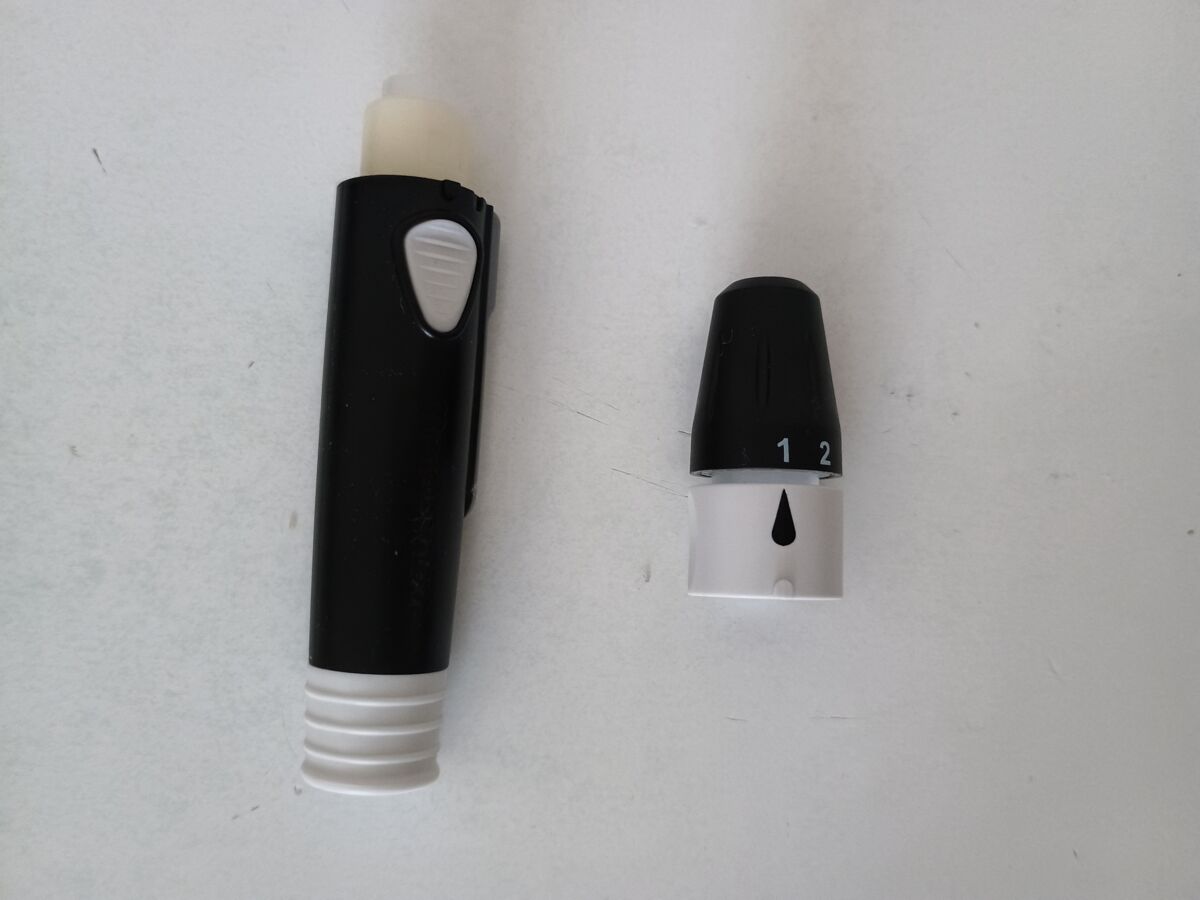
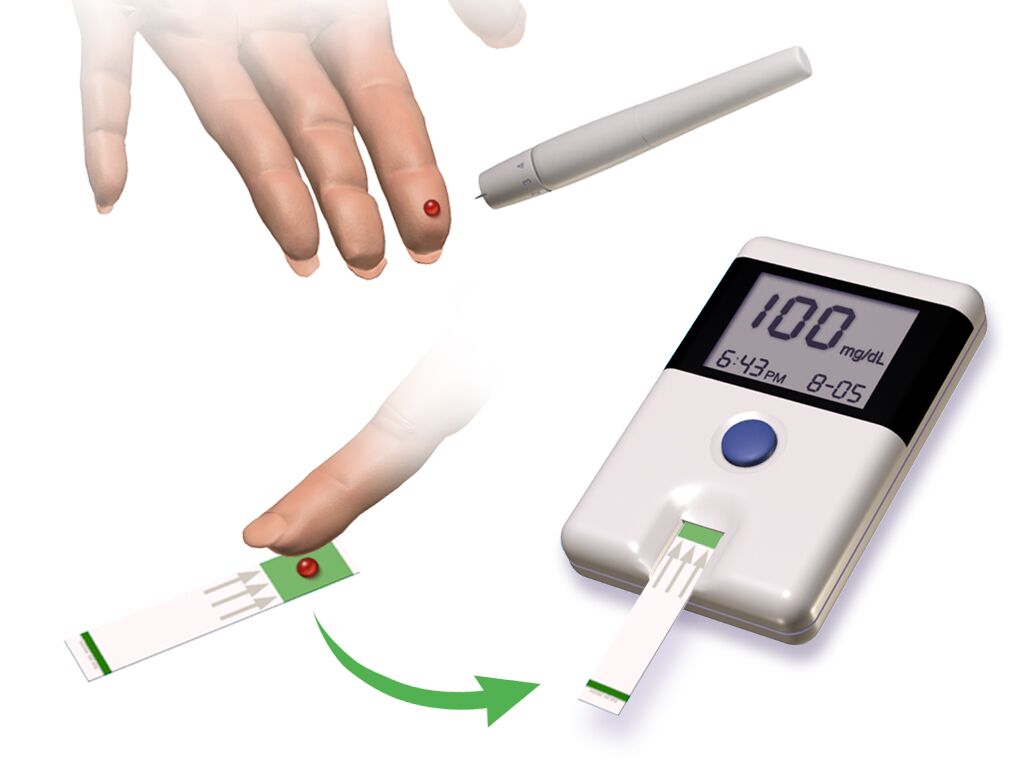
Once diagnosed, you will usually be asked to self-monitor your blood glucose with a small home glucometer. The nurse educator teaches you to do a tiny finger-prick, place a drop of blood on a test strip, and read the result. A typical pattern is to test first thing in the morning before eating, and again about one to two hours after meals, plus sometimes at bedtime, though your team sets your exact schedule.
- Keep a simple log (paper or an app) of your readings so your team can spot patterns
- Test before eating and at the time after meals that your team specifies
- Note anything unusual, such as illness, a very different meal, or skipped medication
- Bring your logbook or device to every antenatal visit
- Ask your team what your personal target ranges are, rather than guessing from general figures
Your readings guide every decision: whether diet alone is enough, whether to start or adjust medication, and how closely to watch your baby's growth. This is why honest logging matters more than perfect numbers.
GDM and your delivery
Most women with well-controlled gestational diabetes can still aim for a normal vaginal birth. Your care will simply be a little more attentive. You may have extra growth scans to check your baby's size and the amount of fluid, more frequent antenatal visits, and a closer discussion about timing of delivery. If your baby is measuring large, or if glucose control has been difficult, your team may talk to you about being induced a little earlier or, less commonly, a planned caesarean. During labour, your blood glucose may be monitored, and if you are on insulin this may be managed closely on the day.
After birth, your baby's blood sugar is usually checked, because babies of mothers with GDM can have a temporary dip in their own glucose and may need extra early feeds or monitoring. Early skin-to-skin and feeding help. Understanding all the moving parts ahead of time makes it less daunting, and our guides on prenatal checkups and scans in Singapore can help you see how GDM monitoring fits into your overall antenatal schedule.
After the baby: postpartum follow-up matters
For most women, gestational diabetes resolves soon after delivery once the placenta is out and hormone levels fall. Many can stop glucose monitoring and any medication after birth, but always confirm this with your doctor rather than assuming. The important part that is easy to overlook in the newborn haze is the follow-up test.
Because GDM signals that your body struggled with glucose under stress, it raises your future risk of type 2 diabetes. To check that your levels have returned to normal, you will usually be advised to repeat an OGTT a few weeks after delivery, commonly around six to twelve weeks postpartum. Beyond that, women who have had GDM are generally encouraged to have their glucose checked periodically in the years that follow, and to keep up the healthy eating and activity habits that lower long-term risk. Breastfeeding, if it works for you, is also associated with metabolic benefits for both mum and baby. Try our free pregnancy weight gain calculator.
Frequently asked questions
Does having gestational diabetes mean I cannot eat rice or noodles?
No. Carbohydrates are still part of a balanced pregnancy diet. The aim is the type, amount and timing of carbs, not cutting them out entirely. A dietitian helps you keep local staples like rice, noodles and bread in your meals while balancing them with protein, vegetables and fibre. Our gestational diabetes diet guide goes into the specifics for Singapore food.
Will I definitely need insulin?
Not necessarily. Many women manage their GDM with diet and gentle activity alone. Medication, whether metformin tablets or insulin, is only added if your readings stay above your team's targets. Needing medication is common and is not a sign you did anything wrong, because GDM is driven by pregnancy hormones.
Is the OGTT safe for my baby?
Yes. The glucose drink is a standard, widely used screening tool. The main side effect is feeling a bit nauseous, and occasionally vomiting, in which case the test is simply rescheduled. The benefit of detecting GDM early far outweighs the brief discomfort of the test.
Can I do anything to lower my risk before the test?
You cannot guarantee a normal result, since much of GDM is down to hormones and factors outside your control. But maintaining balanced meals and staying active within your doctor's guidance supports healthy glucose throughout pregnancy. Importantly, do not crash-diet or cut carbs right before the OGTT, as eating normally in the days before gives a more accurate result.
Will gestational diabetes go away after I give birth?
For most women, yes, it resolves shortly after delivery. The key is to attend the recommended postpartum OGTT, usually around six to twelve weeks after birth, to confirm your glucose has normalised, and to keep up periodic checks afterwards since GDM raises your longer-term risk of type 2 diabetes.
I have no risk factors. Why am I still being tested?
Because GDM often causes no symptoms and can occur in women with no obvious risk factors at all, Singapore offers the OGTT to all pregnant women. Universal screening catches cases that a risk-factor-only approach would miss, which protects more mothers and babies.

Antenatal Classes in Singapore: A First-Time Parent's Guide
Antenatal classes in Singapore explained: what prenatal classes cover, KKH/NUH/Thomson options, when to start, costs, an...
10 min read
Writing a Birth Plan in Singapore: A Flexible Guide for Mums-to-Be
How to write a flexible birth plan in Singapore: pain relief, birth positions, skin-to-skin, vitamin K, C-section and po...
9 min read
Breast cancer in pregnancy in Singapore: a calm, careful guide
A gentle, factual guide to breast cancer in pregnancy in Singapore: how it is diagnosed and treated safely, and where to...
9 min read