

Hotpot Singapore: A Family Guide to Steamboat Dining With Kids
In this article
- How hotpot works (the quick version)
- Why families love steamboat
- Choosing a mild or non-spicy broth for kids
- What to put in the pot: kid-friendly picks
- Staying safe around the hot pot with little ones
- Buffet versus a la carte: which suits your family?
- Halal and dietary options
- Family-friendly chains and what to expect
- Practical parent tips: getting there and surviving the meal
- Frequently asked questions
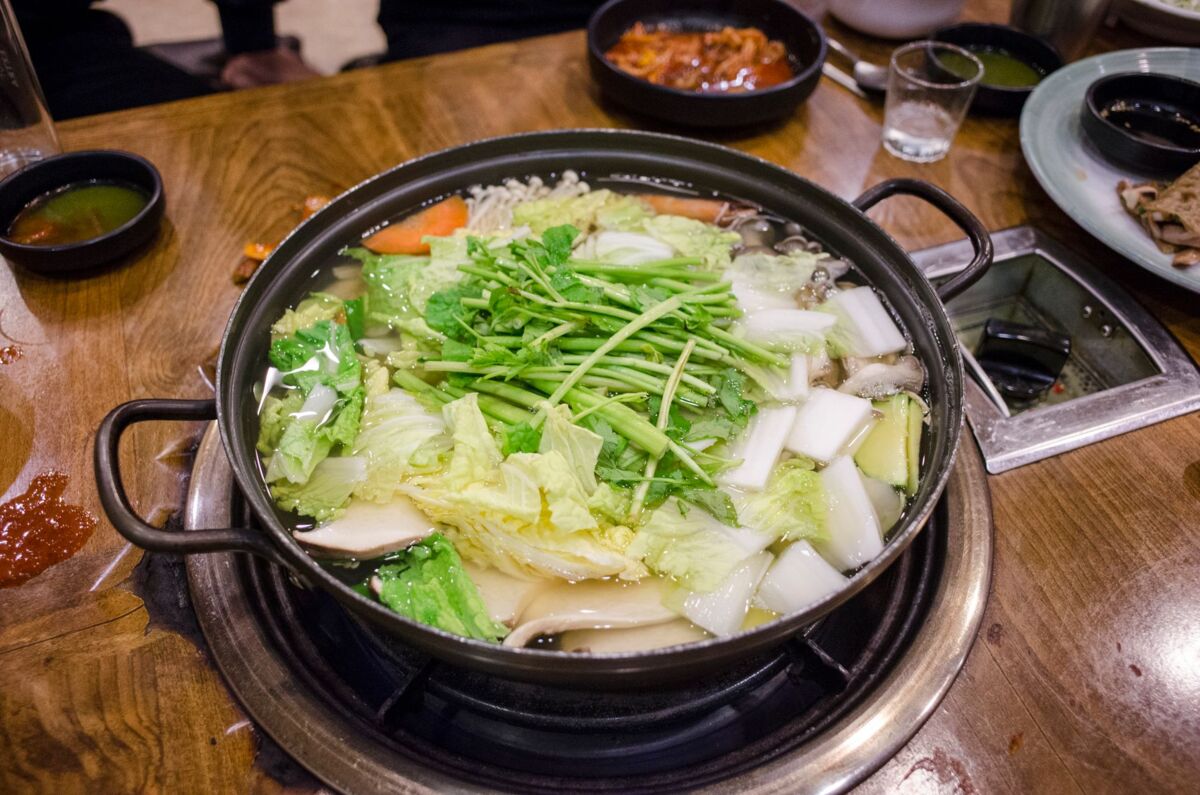
There is something about a bubbling pot in the middle of the table that turns dinner into an event. Everyone leans in, drops in a slice of beef or a prawn, fishes it out a minute later, and the chatter never stops. That is the magic of hotpot in Singapore, known locally as steamboat, and it is one of the easiest ways to feed a hungry family while keeping the kids genuinely interested in their food. This guide is for parents bringing young children: how to pick a kid-safe broth, how to keep a toddler away from boiling soup, and which format suits your crew. With a mild broth, a sensible seat plan, and a few simple habits, hotpot is one of the most family-friendly meals out there.
How hotpot works (the quick version)
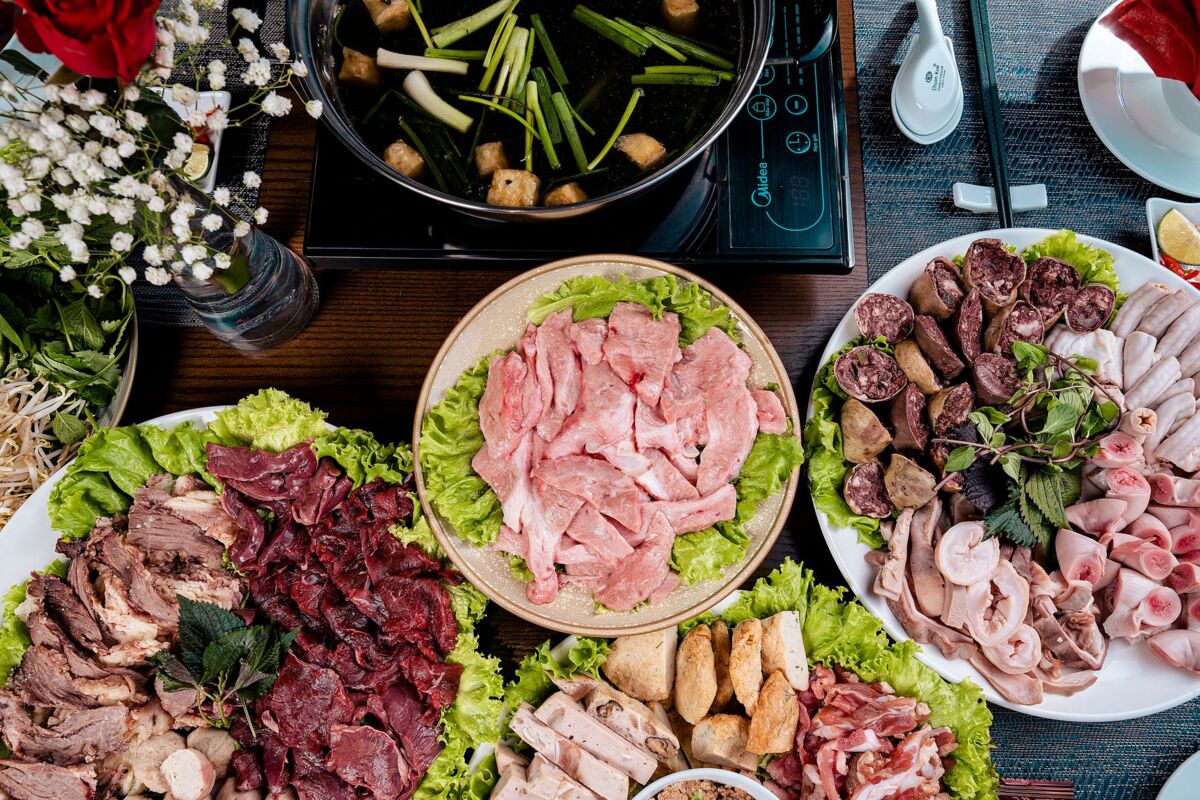
The idea is wonderfully simple. A pot of simmering broth sits in the centre of the table, usually over an induction plate built into the tabletop. Around it you get plates of raw ingredients: thinly sliced meats, fresh seafood, tofu, mushrooms, leafy vegetables, noodles, and dumplings. You cook your own food in the broth a few pieces at a time, dip it in a sauce, and eat. It is part dinner, part group activity, which is exactly why it works so well for families with restless kids.
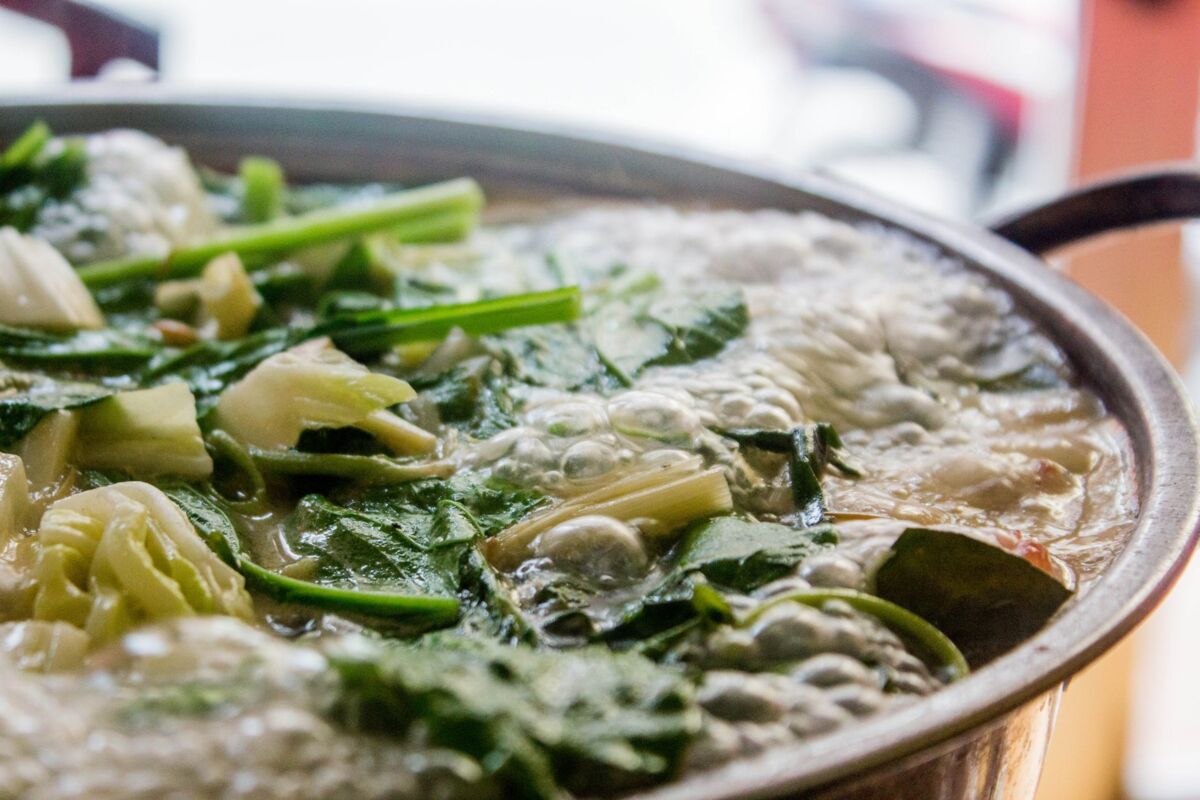
Thin slices of meat cook in seconds, vegetables and tofu take longer, and thicker items need a few minutes. As the meal goes on, the broth becomes a delicious soup you can ladle into bowls. Most places let you pick a single broth or a divided pot, the secret weapon for families (more below).
You will also see a few setups: one big shared pot for the table; individual personal pots per person, common at Japanese shabu-shabu places; and old-school Teochew and Cantonese fish-head steamboats built around one rich, communal soup. Knowing which style you are walking into helps you plan for the kids.
Why families love steamboat
Older kids adore the novelty of cooking their own food; it turns dinner into a hands-on activity rather than a plate of things they have to be coaxed to eat. Picky eaters often surprise you, because they choose exactly what goes into the pot and how much, which gives them a sense of control that fussy little ones love.
- It is interactive and social. Everyone shares one pot, so it is a natural way to slow down and eat together.
- Plenty of vegetables. The veggie and tofu spread makes it easy to slip greens onto small plates.
- Pace yourself. Food comes out a few pieces at a time, so younger kids are not overwhelmed.
- It suits a big, mixed table. Grandparents, teens, and toddlers all find something in the same pot.
For a larger get-together, browse the best buffets in Singapore for families when you want unlimited spreads, or our best Chinese restaurants guide when you would rather order dishes to share.
Choosing a mild or non-spicy broth for kids
This is the single most important decision for families. Mala, the numbing-spicy Sichuan broth, is fantastic for adults but far too fiery for most children. Happily, almost every hotpot place offers gentle, kid-friendly bases, so nobody misses out.
Look out for clear chicken or pork-bone broths, tomato soup (a perennial favourite with children for its sweet, mild flavour), herbal or ginseng chicken broths, mushroom broths, and coconut-based soups. Chains such as Beauty in the Pot are known for non-spicy collagen and herbal broths, while Japanese shabu-shabu spots like Suki-Ya and Shabu Sai keep things light with kombu and similar clear bases. Taiwanese-style places and family chains often have a tomato or fish-maw option that suits younger palates. Broth line-ups and outlets change, so confirm the current menu on the restaurant's official site before you go.
If you are unsure how spicy something is, ask the staff; they are used to families and will steer you to the mildest option. When in doubt, tomato or clear chicken broth is a safe bet, and a divided pot lets the adults still get their mala fix on the other side.
What to put in the pot: kid-friendly picks
It helps to know which items cook quickly and please small mouths. Thinly sliced beef and pork cook in seconds and are tender once cooled; tofu, plain glass noodles, udon, simple dumplings, fish balls, and cracked-in eggs are reliable fallbacks for fussy eaters; and mild vegetables like napa cabbage, sweetcorn, and pumpkin go sweet and soft in the broth. Go easier on salty processed items such as luncheon meat, crab sticks, and fried fritters, and let an adult handle anything on a sharp skewer.
Staying safe around the hot pot with little ones
A pot of boiling broth deserves real respect, especially with toddlers around. Hot liquids are a common cause of scalds in young children, so this is the part of the meal worth slowing down for. None of it is complicated, but a few habits matter.
- Seat little ones away from the pot. Put babies and toddlers on the outer edge of the table or in a high chair, never beside the simmering broth or within arm's reach.
- Mind the cords and edges. Induction plates and electric burners have cables and hot rims; tuck cords out of sight so small hands cannot tug a pot of boiling soup off the table.
- Cook for the kids and cool it first. Pass food over already cooled on a small plate rather than letting them lean across the pot, and test the temperature yourself first.
- Cook raw food thoroughly. Raw meat and seafood must be cooked through, not just dunked. This matters most for young children, whose tummies are sensitive to undercooked food.
- Use separate chopsticks and ladles. Keep one set for raw ingredients and another for eating, use the communal ladle to avoid spreading bacteria from raw meat to cooked food, and skip raw-egg sauces for young children and pregnant mums.
- One adult on pot duty. Keep a designated grown-up on the broth, and never leave the table unattended with kids beside a live pot.
Buffet versus a la carte: which suits your family?
Hotpot comes in two formats, and the right one depends on how much everyone actually eats.
Buffet (all-you-can-eat)
You pay a fixed price per person and order as much as you like, often with free-flow ingredients, sauces, and sometimes drinks and desserts. This is brilliant for families with big appetites, and many buffet places offer reduced rates for children and seniors, so ask about kids' pricing when you book. The trade-off is a time limit, often around 90 to 120 minutes, and a possible charge for food left uneaten, so order in smaller rounds. Weekday and lunch buffets are often cheaper than weekend dinner.
A la carte
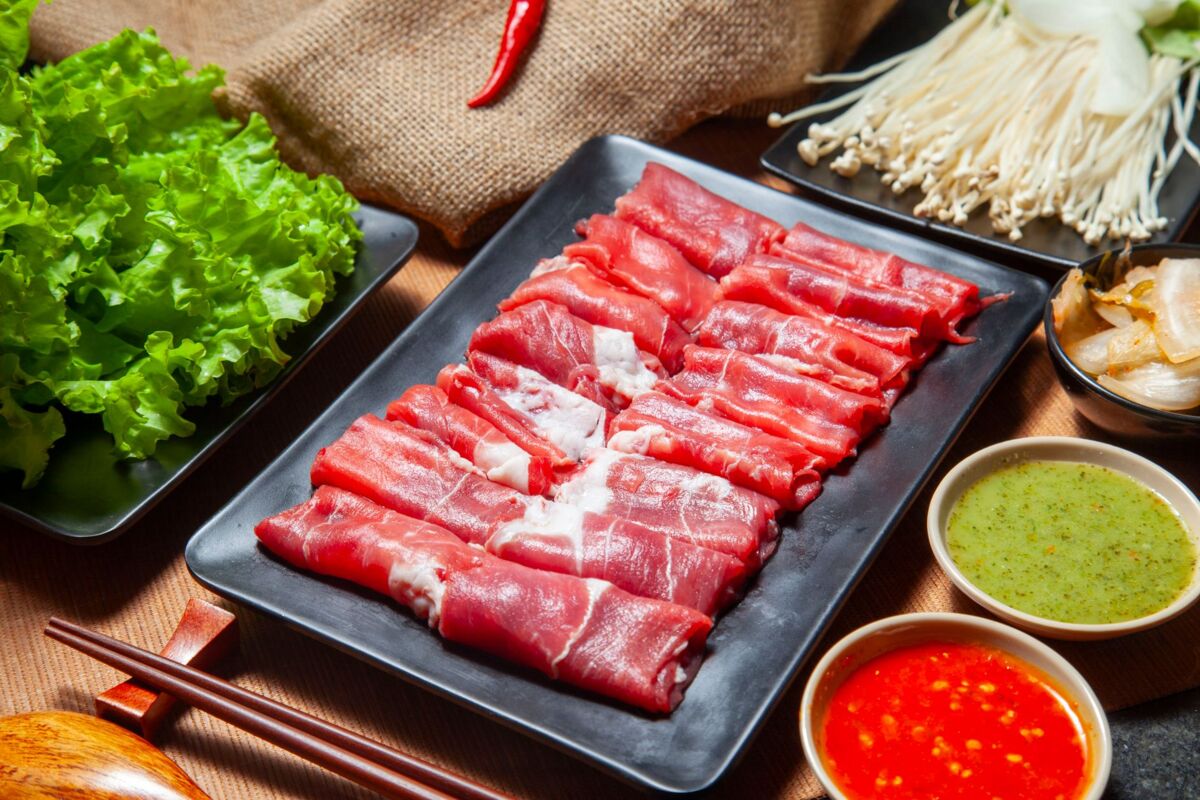
You order and pay per plate. This works well if your family eats moderately, if you want premium ingredients like good cuts of beef, or if you have small children who will not eat enough to justify a full buffet price. You pay only for what you use, with no clock ticking.
As a rough rule: a hungry teen or a big family leans buffet, while a couple with a toddler often does better a la carte. Either way, prices and kids' rates change often, so confirm the current rate before you commit.
Halal and dietary options
Singapore has dedicated halal steamboat restaurants, so families who eat halal are well served. Korean-style hotpot and grill chains such as Seoul Garden have halal-certified outlets, and there are halal-certified all-you-can-eat concepts too. Certification can be outlet-specific rather than brand-wide, so check the individual branch's current status on the official MUIS directory or the restaurant's site before you go.
Hotpot is flexible because you control what goes in the pot. Vegetarian families can build a meal around a clear vegetable or mushroom broth with tofu, greens, and noodles, though check the base is not made with meat or seafood stock. If anyone has a food allergy, the shared pot carries a cross-contamination risk, so an individual personal pot is the safer choice; our guide to allergy-friendly eating in Singapore has more on dining out safely.
Family-friendly chains and what to expect
Plenty of hotpot brands work well for families, each with a slightly different feel. Outlets, menus, and kids' perks change all the time, so treat these as a starting point and verify the details for your nearest branch.
- Beauty in the Pot is known for nourishing, non-spicy collagen and herbal broths, which suit kids and grandparents who cannot take heat.
- Hai Di Lao is famous for service and freebies, and the waiting-area activities and snacks can keep antsy kids occupied during a queue.
- Suki-Ya and Japanese shabu-shabu buffets keep broths light and let kids cook gently at a slower pace.
- Seoul Garden and Korean-influenced buffets like GoroGoro pair a grill with hotpot, giving fussy eaters a familiar grilled option alongside the soup.
- Shang Pin, Happy Lamb, and individual-pot concepts give everyone their own personal pot, which many parents find safer with toddlers.
Some outlets sit inside malls with playgrounds or family zones nearby, which buys you a few minutes of peace while the broth heats up. These perks vary by location, so assume nothing about kids' rates, play areas, or high chairs until you have checked the branch.
Practical parent tips: getting there and surviving the meal
The food is the easy part; the logistics of hauling small children to dinner make or break the evening.
- Go early or off-peak. Hotpot is a slow meal and weekend peak hours mean long waits. Aim for an early dinner or a weekday so an over-tired toddler is not melting down by dessert.
- Book ahead and flag the kids. Popular spots fill fast on weekends and around Chinese New Year. Reserve and mention you are bringing children so they can hold a high chair.
- Plan transport. Many big outlets sit in malls with sheltered MRT access and paid parking, making hotpot a solid rainy-day plan. Check parking rates or the nearest station first.
- Pack a splash kit. Broth bubbles and sauces stain. Skip the best outfit, bring a bib, and pack a change of clothes for the littlest ones.
- Check the facilities. Mall outlets usually have nursing rooms, diaper-change stations, and lifts for strollers nearby, which standalone shophouses may not, so a mall branch is the easier call with a baby.
- Line up dessert nearby. Many hotpot spots sit in malls full of sweet treats; our best ice cream in Singapore roundup is a handy follow-up.
For prices, opening hours, addresses, and promotions, always check the restaurant's official website or social pages, as these change often.
Frequently asked questions
What age can kids start enjoying hotpot?
There is no fixed age. Babies on solids can eat soft cooked items like tofu, plain noodles, or well-cooled vegetables, while older kids from around four or five often love cooking their own food with supervision. The key is a mild broth, careful seating away from the pot, and fully cooked, cooled food.
Is hotpot a healthy meal for children?
It can be one of the better options when eating out, because it is largely fresh ingredients cooked in broth rather than fried. Load up on vegetables, tofu, and lean meats, go easy on processed items, pick a lighter broth, and watch the sodium in the soup and dipping sauces.
Spicy or non-spicy for first-timers?
For children and anyone new to hotpot, start non-spicy: tomato, clear chicken, or a herbal broth. If the adults want heat, order a divided pot so the mild side stays kid-safe.
Is hotpot safe with a toddler at the table?
Yes, with sensible precautions. Seat the toddler away from the pot, keep cables and the hot rim out of reach, never leave them unsupervised near the broth, and always cool food before serving. An individual personal pot or a cooler-edge design adds an extra margin of safety for very young children.
Are there halal hotpot options in Singapore?
Yes. There are halal-certified hotpot and Korean grill-plus-hotpot restaurants around the island. Certification can be outlet-specific, so confirm the individual branch's current status on the official MUIS halal directory or the restaurant's own page before you visit.
Hotpot is a rare meal that works for the whole family, from grandparents to the fussiest preschooler. Pick a mild broth, sort out the seating, cook everything through, and let everyone go at their own pace. For more ideas, see our guide to the best hawker centres for families or browse the Fussy Mama blog.

Gluten Free and Allergy-Friendly Eating Out in Singapore: A Parent's Guide
A practical parent's guide to gluten free and allergy-friendly eating out in Singapore: allergens, hawker safety, talkin...
9 min read
Cat Cafe Singapore: A Family Guide to Animal Cafes
A parent's guide to the cat cafe Singapore scene and animal cafes: how they work, age rules, etiquette, welfare, and wha...
10 min read
Bak Kut Teh in Singapore: A Family Guide to the Comforting Pork Rib Soup
A parent's guide to bak kut teh in Singapore: peppery vs herbal styles compared, what to order for kids, spice tips and ...
10 min read