

Preparing Your Toddler for a New Baby: A Calm Guide for Singapore Families
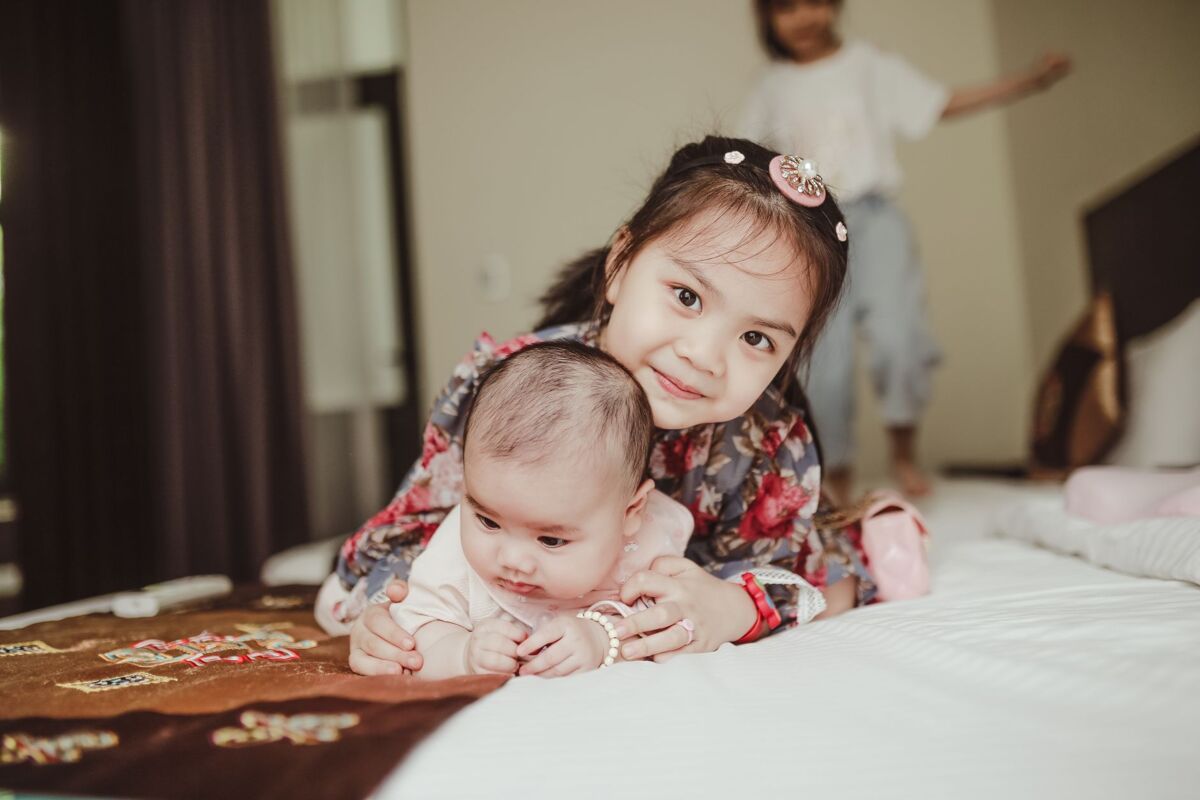
In this article
- Why jealousy and a little regression are completely normal
- Before the birth: gentle ways to prepare
- The best baby and big-sibling books to read together
- Matching your approach to the age gap
- The hospital stay and the first meeting
- When baby comes home: helping your toddler feel like a helper
- Protecting one-on-one time
- Surviving the early weeks in Singapore
- Frequently Asked Questions
You are about to grow your family, and tucked inside the excitement is the worry most parents share: how will my firstborn cope? For as long as your toddler can remember they have had your lap and attention to themselves, and soon they will be sharing. A few wobbles are not just likely, they are healthy and expected, and the reassuring part is that preparing your toddler for a new baby is something you can do gently, starting well before your due date. This guide is for Singapore parents with a toddler or preschooler aged roughly one to four, and it covers the whole journey: why jealousy and regression happen, how to prepare before the birth, which books help, the hospital stay and homecoming, and how to protect the one-on-one time that keeps everyone feeling loved.

Why jealousy and a little regression are completely normal
When a newborn arrives, your toddler's whole world tilts. The little person who never had to wait for a cuddle now watches a tiny stranger get carried, fed and admired around the clock. Feeling jealous, clingy, cross or simply unsettled is not bad behaviour. It is an honest response to a big change, and it shows your child is attached to you, which is exactly what you want.
It is also very common for young children to slip backwards for a while, what experts call regression. A toilet-trained toddler may start having accidents, a settled sleeper may wake at night, and a chatty one may drift back into baby talk or ask to be carried everywhere. None of this means you have done anything wrong. Regression is your child's way of checking that the rules of love have not changed, and it usually fades once they feel secure again. Scolding tends to make it last longer, so the kinder, more effective approach is to stay calm and pour in reassurance. Keep your expectations gentle too: parenting bodies such as the NCT note that the more pressure an older child feels to instantly adore the baby, the more rivalry surfaces. Allowing space for mixed feelings, rather than insisting on delight, smooths the path.
Before the birth: gentle ways to prepare
Toddlers have almost no sense of calendar time, so there is no rush to announce the pregnancy the day you find out. Sharing once you are visibly showing, or in the last couple of months, gives your child enough notice to adjust without an endless, confusing wait. Keep explanations short, warm and honest, and match the detail to your child's age.
- Read big-sibling books together. Stories let toddlers rehearse what is coming and hand them words for feelings they cannot yet name. More on the best titles below.
- Be honest about what a newborn is like. Explain that babies mostly sleep, cry and feed, and cannot play for a long time. Setting this early softens the disappointment that the baby is not an instant playmate.
- Let them feel part of it. Bring your toddler to a scan to hear the heartbeat if your clinic allows, and let them help choose a small item for the baby.
- Tell them their own baby story. Look at photos of when they were a newborn and describe how you cared for them. It reassures them they were loved the same way, and that love does not run out.
- Practise gentle hands. Let your toddler care for a doll, patting and wrapping it, so being gentle becomes a habit before a real baby arrives.
For trusted, locally relevant pregnancy and early-parenting reading, HealthHub's Parent Hub is a sensible Singapore starting point, and you can browse more articles in our blogs hub for real stories from other parents.
Time the big transitions carefully
This is one of the most useful and most overlooked pieces of planning. If a major change lands at the same moment as the baby, your toddler may quietly conclude that the baby pushed them out. Settle big transitions well before the birth, or delay them until a few months after, but avoid the window right around your due date.
- Moving out of the cot: if you need the cot for the baby, shift your toddler to a bed six to eight weeks ahead so it feels like a promotion, not a demotion. If there is no rush, a borrowed second cot buys time.
- Toilet training: either establish it well beforehand or pause and revisit a few months after the baby settles. Starting in the newborn chaos rarely goes well.
- Starting infant care or childcare, or weaning off a dummy: begin a couple of months before the birth so the separation, or losing a comfort, does not collide with the new sibling. Our guide to starting childcare and separation anxiety walks through easing that transition.

The best baby and big-sibling books to read together
Books are one of the cheapest, gentlest preparation tools you have, and they work because toddlers love repetition. Reading the same big-sibling story night after night lets your child absorb the idea slowly and ask the same questions as often as they need. Look for two kinds: warm picture books about becoming a big brother or sister, and a first-year baby book you can flip through so your toddler sees what a newborn can and cannot yet do. A few well-loved titles:
- I'm a Big Brother / I'm a Big Sister by Joanna Cole, which frames the older child as the capable, helpful one.
- There's a House Inside My Mummy by Giles Andreae, a sweet rhyming story told from a child's view of the growing bump.
- The New Baby (Little Critter) by Mercer Mayer, showing realistic ways an older child can help.
- There's Going to Be a Baby by John Burningham, which honours a child's honest mixed feelings before a happy ending.
- A friendly first-year baby book with big photos, so you can point and say, see, babies just sleep and feed at the start.
You do not need to buy them all. Borrow from your nearest public library through the National Library Board, which is free for residents, or pick one or two to own and reread until your toddler knows them by heart.
Matching your approach to the age gap
How you prepare shifts a little with how close together your children are. None of these are rules, just useful starting points.
- Under two years apart: your older one is still very much a baby. Protect their sleep, keep them in the cot if you can borrow a second, and keep explanations very simple. Expect physical clinginess more than verbal jealousy.
- Two to three years apart: a classic gap. Honest talk and books work well, but your toddler is also at the peak of big feelings, so plan for tantrums and supervise closely. Our guide to managing toddler tantrums is worth a read before the newborn arrives.
- Four years and older: your child can genuinely help and often loves the big-sibling role. Give them real responsibilities to be proud of, while making clear that babyish wobbles are still allowed.
The hospital stay and the first meeting
In Singapore the practical question is usually simple: who looks after your toddler while you are in hospital? Sort this out in advance and tell your child clearly who will care for them, whether your partner, a grandparent, a helper or a trusted friend, and roughly when they will see you again. Knowing the plan is far less frightening than vague uncertainty, and a familiar comfort object, the same bedtime routine and a quick video call all help your toddler ride out the day or two you are away.
The first meeting sets the tone, so it is worth a little choreography. If you can, have someone else hold the baby when your toddler walks in, so your arms are free for a hug, and greet your toddler first. Many families also arrange a small gift from the baby to the big sibling, and let the toddler give the baby one in return. It is a simple trick, but it casts the new arrival as someone who brought happiness rather than stole the limelight.
- Keep the first meeting low-key, ideally somewhere your toddler feels relaxed rather than a crowded ward at peak visiting hour.
- Let your toddler set the pace. Some want to kiss the baby straight away, others need to watch from a distance, and both are fine.
- Teach gentle affection from the start, such as a soft pat or a kiss on the baby's feet rather than the face, which gives your toddler a clear yes instead of a constant no.
- Manage the flow of visitors so your toddler is not pushed aside while everyone coos over the newborn. Ask relatives to greet the big sibling first.

When baby comes home: helping your toddler feel like a helper
Children settle faster when they feel useful and trusted rather than sidelined. Instead of pleading with your toddler to share or be gentle, give them small, safe, genuine jobs that make them feel like the capable big one. The magic phrase is often a question: can you show baby how this toy works?
- Invite them to fetch a clean nappy, pick the baby's clothes, or help sing the baby to sleep.
- Praise the gentle, kind moments out loud rather than only reacting to the rough ones. What you pay attention to tends to grow.
- Let them express the full mix of feelings without being told off. It is normal to love the baby and feel jealous at once, and naming that openly helps.
- Narrate what is happening so the waiting makes sense: baby is crying because she is hungry, so I am feeding her, then it is your turn for a story.
- Keep a special box of toys or books that only comes out during feeds and nappy changes, so those long minutes feel like a treat rather than a time they are ignored.
A word on safety that bears repeating: never leave a toddler and a newborn alone together, not even for a moment, and not even if your toddler is the gentlest soul in the world. Young children do not understand how fragile a baby's head and neck are, and a curious poke can go wrong fast. Supervision is not distrust, it is part of the job.
Protecting one-on-one time
If there is a single habit that quietly prevents a mountain of jealousy, it is dedicated one-on-one time with your older child. It need not be elaborate. Even ten to twenty minutes a day of undivided attention, doing whatever your toddler chooses, phones away, sends the clearest message: you still matter, you are still mine, the baby did not replace you.
Use the natural gaps a newborn creates. While the baby naps, read a book or build a tower. Tag-team with your partner, your parents or your confinement nanny so one adult takes the baby while the other gives the toddler their full focus. A slow breakfast at the kopitiam, a trip to the library, or twenty minutes at the playground downstairs can feel enormous to a child who has been feeling overlooked, and pram-friendly malls make this easy even on a rainy or hazy afternoon.
Surviving the early weeks in Singapore
The newborn fog is real, and you are not meant to power through it on willpower alone. Many Singapore families lean on a confinement nanny, grandparents or a domestic helper during the first weeks, and that support is precisely what frees you to keep the toddler connection alive. Accepting help is not a failure, it is what makes calm parenting possible. If you are planning your own recovery, our guide to postnatal massage and confinement support covers what is on offer locally.
- Lower the bar for a while. A messy flat and simple meals are fine; a secure toddler and a rested parent matter far more than a tidy home.
- Fold the baby into your toddler's existing routines rather than rebuilding family life around the newborn.
- Bank small wins each day, a cuddle, a shared snack, a giggle, even when the day has been hard.
- Look after yourself too. A supported, reasonably rested parent has far more patience for a clingy toddler and a crying baby, and the adjustment is demanding for adults as well.

If you are also trying to choose ongoing medical care for two children now, our guide on choosing a paediatrician in Singapore can help you find a clinic that suits the whole family.
Frequently Asked Questions
When should I tell my toddler about the new baby?
There is no perfect date. Many parents share the news once mum is visibly pregnant or in the last couple of months, because a young child finds a long wait confusing. Use simple words, keep it positive but honest, and let your toddler's questions guide the detail.
My toddler has started having accidents again. Should I worry?
Temporary regression in toileting, sleep or speech is very common after a new sibling arrives and usually settles once your child feels secure. Stay matter-of-fact, skip the scolding, and pour energy into reassurance and one-on-one time. If it persists for many weeks or you are concerned, check in with your doctor or paediatrician.
How do I handle rough or jealous behaviour towards the baby?
Supervise closely, stay calm, and acknowledge the feeling instead of punishing it, for example, you wish you could have a turn on my lap, that is hard. Set a kind limit such as, I will not let you hit the baby, then redirect into a helper role and praise the gentle moments. Persistent aggression that worries you is worth raising with a health professional.
How long does it take for a toddler to adjust to a sibling?
Most of the intense wobbles ease within a few weeks to a couple of months, though some children take longer and that is still normal. Steady routines, reassurance and protected one-on-one time speed things along. A bit of ongoing rivalry between siblings is normal, and even healthy, across childhood.
For more on family life, routines and looking after yourself through it all, explore our blogs for real stories from other Singapore parents, or browse our practical guides and parenting tools to help you plan the weeks ahead.

Childhood Myopia in Singapore: A Parent's Guide to Signs, Prevention and Eye Checks
A Singapore parent's guide to childhood myopia: why it is so common, early signs, outdoor and screen habits that help, e...
11 min read
Choosing a Paediatrician in Singapore: A Practical Guide for Parents
How to choose a paediatrician in Singapore: GP vs polyclinic vs private PD, cost guidance, vaccinations, first-visit tip...
12 min read
Mosquito Repellent for Kids in Singapore: A Parent's Guide to Dengue Protection
How to choose mosquito repellent for kids in Singapore by age, protect babies from dengue, cover up, use nets, clear sta...
11 min read