
Onsen in Singapore: A Family Guide to Hot Spring Bathhouses and Spas
In this article
- What is an onsen, and how is it different from a swimming pool?
- Can you bring children to an onsen in Singapore?
- Onsen etiquette every family should follow
- Yunomori at Kallang: what to expect
- Roughly what does it cost?
- Getting there, parking and crowd timing
- The free alternative: Sembawang Hot Spring Park
- Frequently asked questions
A warm mineral soak that quietly unknots a week of parenting tension, while a curious older child gets a gentle taste of Japanese bathing culture beside you: that is the real appeal of an onsen in Singapore. This guide is for parents weighing up whether a hot spring bathhouse actually works with kids in tow, and it is honest about the catch. Onsen bathing is done nude in gender-separated zones, so it suits calm, older children supervised by a same-gender parent far better than lively toddlers. If you want a splash-and-play day, this is not it; if you want a soothing, weatherproof reset that older kids can share, read on. We cover what to expect, who welcomes children, the etiquette that makes or breaks the visit, rough costs, and a free natural alternative.
What is an onsen, and how is it different from a swimming pool?
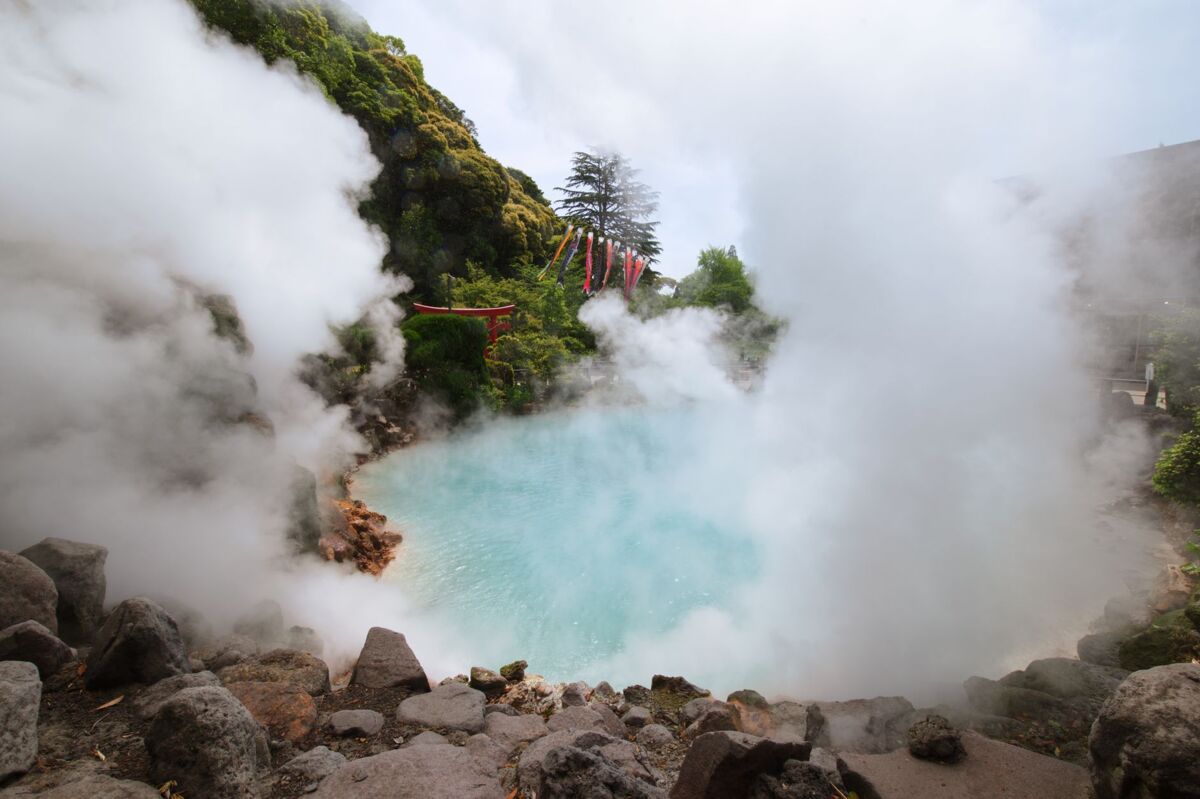
In Japan, an onsen is a bath fed by naturally heated, mineral-rich spring water. Because Singapore sits on stable, mostly cool ground, our onsen-style bathhouses recreate the experience indoors by heating filtered water and adding mineral salts, so you still get that deep, easing-into-your-bones warmth. A typical visit means moving between several pools at different temperatures, often with a cold plunge, a steam room and sometimes a dry sauna.
The single biggest thing for families to grasp is that this is nothing like the condo pool. There is no swimming, no swimwear and no playing. You bathe undressed (more on the modesty options below), the floors are slippery, and the whole point is to sit still and soak. The atmosphere is hushed and adult, even when children are present. Set that expectation with your kids before you arrive and the visit goes far more smoothly.
Can you bring children to an onsen in Singapore?
Some bathhouses welcome children, but always with conditions, and the rules are stricter than parents expect. Singapore's best-known public onsen, Yunomori Onsen and Spa at the Kallang Wave Mall, allows children from age 3 to use the onsen facilities, and its official FAQ states clearly that a child must follow their same-gender parent and be supervised at all times. So a dad takes his son into the men's section, and a mum takes her daughter into the women's section.
This is the make-or-break planning point. Because the bathing zones are split by gender, a mum cannot bring her young son into the women's side, and a dad cannot bring his young daughter into the men's side. If your kids span different genders, you need two same-gender adults, or you take turns while one parent waits with the children sitting out. Sketch out who goes with whom before you leave home. Minimum ages and supervision rules differ between venues and change, so confirm the policy on the specific outlet's website first.
What about babies and toddlers?
Most public onsen set a minimum age of around 3 precisely because hot water, slippery floors and a strict no-noise, no-splash culture do not mix with babies and unsettled toddlers. There are no diaper-changing or nursing facilities inside the bathing zones, and a child still in diapers will not be permitted in the pools. If you have a baby or a very active toddler, this is the visit to do without them, or to leave that child with a partner in the mall while you and an older child soak. The free hot spring park further down this guide is a much easier fit for little ones.
Private and boutique onsen options
Beyond the large communal bathhouses, Singapore has smaller hinoki-wood and private onsen rooms at boutique spas, some couples-only, some single-room. These swap the communal pools for a private tub, which removes the gender-separation hurdle for a parent and child but rarely caters to young kids in practice. Many are pitched as adults-only or romantic experiences. Family suitability varies enormously, so always call ahead and ask the specific spa whether children are allowed before booking.
Onsen etiquette every family should follow
Onsen culture runs on cleanliness and calm. A two-minute briefing with your child before you go prevents most of the awkward moments:
- Shower and scrub thoroughly first. You wash and rinse completely at the seated shower stations before entering any communal pool. This is non-negotiable in onsen culture and the reason the shared water stays clean.
- Bathe without swimwear. Personal clothing and swimsuits are kept out of the pools for hygiene. Venues like Yunomori provide disposable undergarments if you or your child prefer some cover, so nobody has to feel exposed.
- No swimming, splashing or running. The pools are for soaking, not playing, and wet floors are genuinely slippery. Keep voices low and movements slow.
- Tie up long hair so it stays out of the water, and keep your towel out of the bath, either folded on your head or left at the poolside.
- No photos in the bathing areas. Phones stay in the locker. Everyone is undressed, so cameras are strictly off limits in the changing and pool zones.
- Mind the heat. Hot pools tire small bodies quickly, so keep your child's soaks short, step out to cool down often, and skip the hottest pool and the sauna for younger kids.
- Check the tattoo policy. Some onsen restrict visible tattoos; rules vary by outlet, so confirm with your venue beforehand if anyone in your group has one.
Yunomori at Kallang: what to expect
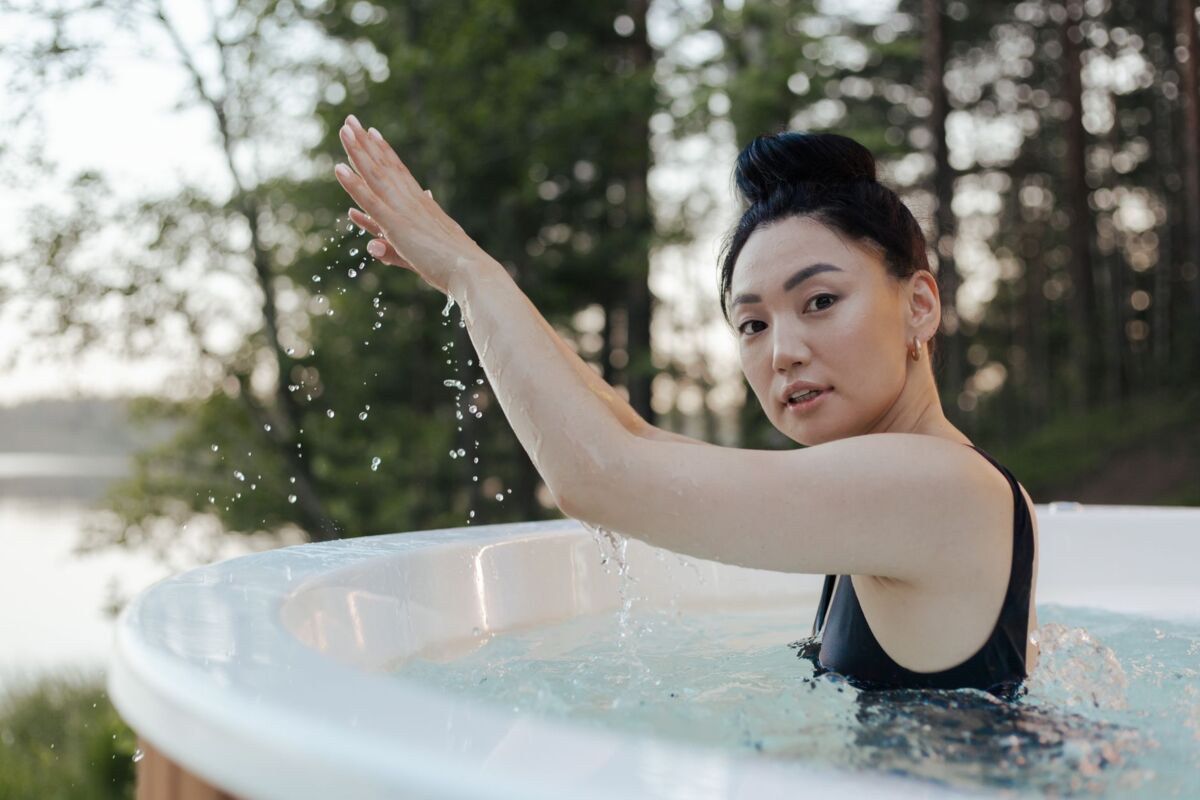
Yunomori sits on Level 2 of the Kallang Wave Mall inside the Singapore Sports Hub, and it pairs traditional Japanese onsen bathing with Thai-style spa treatments. The bathing zones are generous: the official site notes the ladies' side has five different baths plus a steam room, and the gentlemen's side has six baths plus a steam room and a dry sauna. Expect a mix of warm and hot mineral pools, a cold plunge, and a jet bath designed to massage tired muscles. For the exact unit, current hours and prices, check the official Yunomori contact and locations page.
What is provided versus what to bring
One of the nice things about a full-service bathhouse like Yunomori is how little you need to carry. Based on the official FAQ, the day pass typically includes:
- Towels (a small and a large towel per guest), so you do not need to lug your own.
- Disposable undergarments for modesty, a tube top and briefs for women and shorts for men, handed out if you would rather not bathe bare.
- A yukata (light cotton robe) to lounge in after your soak.
- Lockers and a changing area, plus access to the resting lounge and the on-site cafe.
- What you still bring: your own swim-free mindset, hair ties, any personal skincare you cannot do without, a hairbrush, and a water bottle to rehydrate. Spectacle wearers may want a contact-lens case, as glasses can fog and slip in the steam.
The cafe and spa treatments
There is an on-site cafe serving Japanese fare such as ramen and soba and light desserts, which is handy if one parent is supervising children who are sitting out the bath, or for a relaxed bite afterwards. The spa massages (Thai, aromatherapy, deep tissue and the like) are an adults' indulgence rather than a kids' activity and are booked separately from the bath pass; note that some treatments mean you cannot return to the onsen pools afterwards, so plan your soak first and your massage last.
Roughly what does it cost?
Day-pass pricing changes, so treat these as guidance and verify on the official site before you go. At the time of writing, a Yunomori onsen day pass runs around the high forties in Singapore dollars for an adult, with a reduced rate (roughly the high thirties) for children aged 3 to 15 and for seniors. Massages and combo packages are priced on top. Smaller boutique and private onsen experiences are usually charged per session and can range from the mid forties into the low hundreds depending on the venue and whether a treatment is bundled in. Always confirm the current figures on the venue's own website, since promotions, GST and package inclusions shift over time.
Getting there, parking and crowd timing
The easiest route is by MRT to Stadium station on the Circle Line, a short, sheltered walk to the Kallang Wave Mall. Driving families will find paid parking at the mall itself. The location is a genuine bonus for a family day: the mall has plenty of casual restaurants and cafes, several facing the water, so a meal slots neatly around your soak, and the wider Sports Hub runs indoor activities from rock climbing to themed play. Facilities there open, close and renovate from time to time, so check what is running before you build a whole day around it.
- Best timing for first-timers: a quieter weekday slot is gentler for kids still learning the etiquette and for nervous beginners.
- Avoid: weekend afternoons and public holidays, when the pools are busiest and the calm is harder to keep.
- Stroller note: the mall is stroller-friendly, but the bathing zones are not, so park the buggy with the waiting parent or in the locker area.
- Plan supervision early given the gender-separated areas, so each child has the right same-gender parent in the right section before you pay.
The free alternative: Sembawang Hot Spring Park
If the nudity, the age limits or the cost rule out a bathhouse for your family, Singapore has a genuinely natural hot spring that is far more toddler-friendly and completely free. We cover it in full in our guide to Sembawang Hot Spring Park, but the short version is that it is an open-air NParks park where you sit fully clothed and dip your feet in a cascading foot-bath pool. According to NParks, entry is free and the park is open daily, with a much-loved egg-cooking station where you can soft-boil your own eggs in the naturally hot water (bring your own eggs and a basket). It is no swimming pool either, but it is relaxed, outdoors and easy with younger children in a way a communal onsen is not.
Frequently asked questions
Do you have to be naked at a Singapore onsen?
In the communal bathing pools, personal clothing and swimwear are not allowed, for hygiene reasons. Areas are separated by gender, and venues like Yunomori provide disposable undergarments (a tube top and briefs, or shorts) if you prefer some cover. Confirm the exact dress code with your chosen outlet, as it can differ between venues.
What is the minimum age for kids at an onsen?
It varies by venue. Yunomori allows children from age 3 into the onsen facilities, and they must follow their same-gender parent and be supervised at all times. Children still in diapers are not permitted in the pools. Always check the current minimum age on the specific outlet's website before booking.
Can a mum take her young son, or a dad his daughter?
No. The bathing zones are strictly gender-separated, so a child goes into the section matching the supervising parent's gender. For mixed-gender siblings you will need two same-gender adults, or one parent waits with the children sitting out while the other soaks. Plan this before you arrive.
How much does a Singapore onsen cost?
As a rough guide, a public onsen day pass is around the high forties in Singapore dollars for an adult and the high thirties for a child aged 3 to 15, with massages priced separately. Private and boutique sessions range higher. Prices change, so check the venue's official website for the current figure before you go.
Is an onsen suitable for kids?
It suits calm, older children who can sit quietly and follow the no-splash, no-noise rules, supervised by a same-gender parent. It does not suit babies, toddlers or very energetic kids, who will find the hush and the heat hard going. For a more forgiving option with little ones, Sembawang Hot Spring Park is the better choice.
Are tattoos allowed at Singapore onsen?
Policies vary. Some onsen restrict visible tattoos in line with Japanese tradition, while others are relaxed about it. If anyone in your group has a tattoo, contact your chosen venue ahead of time to confirm their current rule rather than risk being turned away at the door.
A bathhouse soak rewards a bit of calm, so it tends to land best with parents of older, settled kids, while families with toddlers will get more joy from the free hot spring. Whichever you choose, build in time to slow down. For more soothing, weatherproof ideas, including how to keep little ones happy when the weather turns, browse our notes on kids yoga in Singapore, the calming routines in our postnatal massage guide, and gentle indoor downtime in our take on managing screen time. You can find more family wellness reads on our learn hub.
Childhood Myopia in Singapore: A Parent's Guide to Signs, Prevention and Eye Checks
A Singapore parent's guide to childhood myopia: why it is so common, early signs, outdoor and screen habits that help, e...
11 min read
Choosing a Paediatrician in Singapore: A Practical Guide for Parents
How to choose a paediatrician in Singapore: GP vs polyclinic vs private PD, cost guidance, vaccinations, first-visit tip...
12 min read
Mosquito Repellent for Kids in Singapore: A Parent's Guide to Dengue Protection
How to choose mosquito repellent for kids in Singapore by age, protect babies from dengue, cover up, use nets, clear sta...
11 min read