
Paediatric TCM in Singapore: A Calm, Practical Guide for Parents
In this article
- What paediatric TCM actually involves
- Why some parents explore paediatric TCM
- What age is paediatric tuina suitable for?
- What a first visit is like, and what to bring
- How to choose a clinic and practitioner safely
- Using paediatric TCM responsibly
- When to see a doctor instead, or as well
- Frequently asked questions
If your little one barely eats, sleeps in fits and starts, or seems to bring home every cough from the childcare centre, you may have wondered whether Traditional Chinese Medicine (TCM) could help. Paediatric TCM is a familiar part of family life for many households here, and clinics offering services for babies and young children are easy to find. This guide is written for parents who want to weigh it up calmly: what it actually involves, why families explore it, how to choose a clinic safely, and the points that matter most for a child's health. We have kept it deliberately neutral, to help you ask good questions and decide for yourself rather than to promise outcomes. It is best suited to parents considering gentle, complementary support for everyday, non-emergency concerns, not to anyone hoping to replace a doctor's care.
What paediatric TCM actually involves
Paediatric TCM is not one single treatment. Clinics that work with children usually offer a few approaches, chosen according to a child's age and what the practitioner observes during a consultation. The three you come across most often are paediatric tuina, herbal preparations, and, for older children only, sometimes acupuncture. Practitioners describe these as ways to support a child's general wellbeing, which is different from a medically proven treatment; it is worth holding that distinction in mind throughout.
Paediatric tuina (xiao er tui na)
Paediatric tuina, sometimes written as xiao er tui na, is a gentle, non-invasive massage performed on specific points and areas of a child's body, usually the hands, arms, abdomen, and back, using light stroking, kneading, and pressing rather than the firmer techniques used on adults. It is the approach most often used for babies and younger children precisely because it involves no needles and nothing taken by mouth, which makes it low-risk in nature. Sessions are usually short, and many clinics recommend a short course rather than a single visit. Even so, it should be carried out by someone properly trained in paediatric technique, since the points and pressure used for a child differ from adult tuina.
Herbal preparations
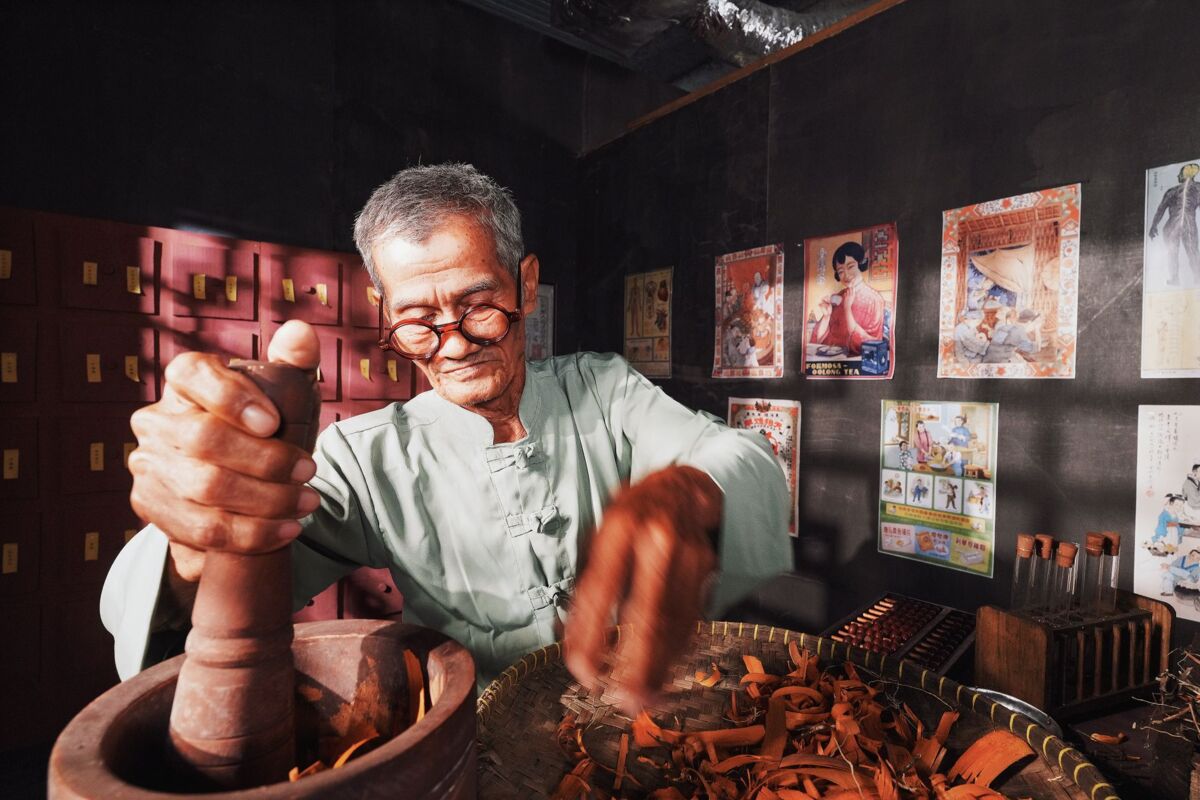
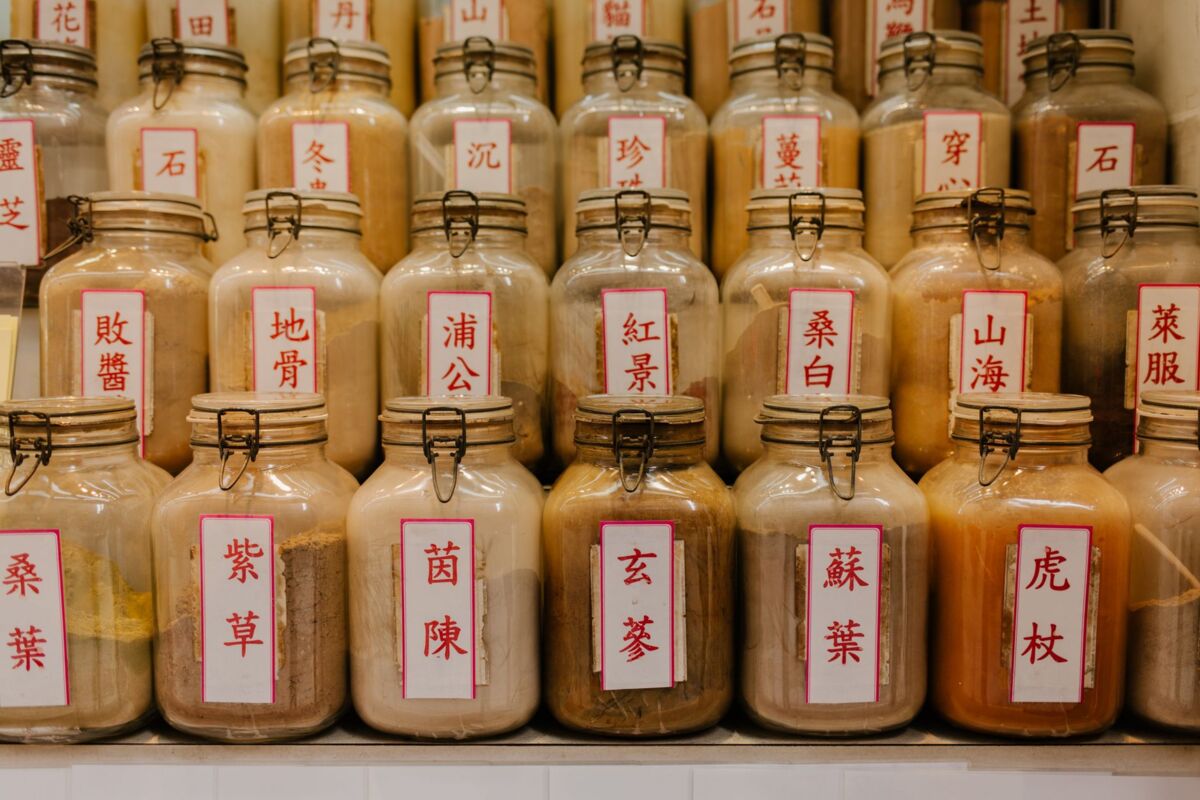
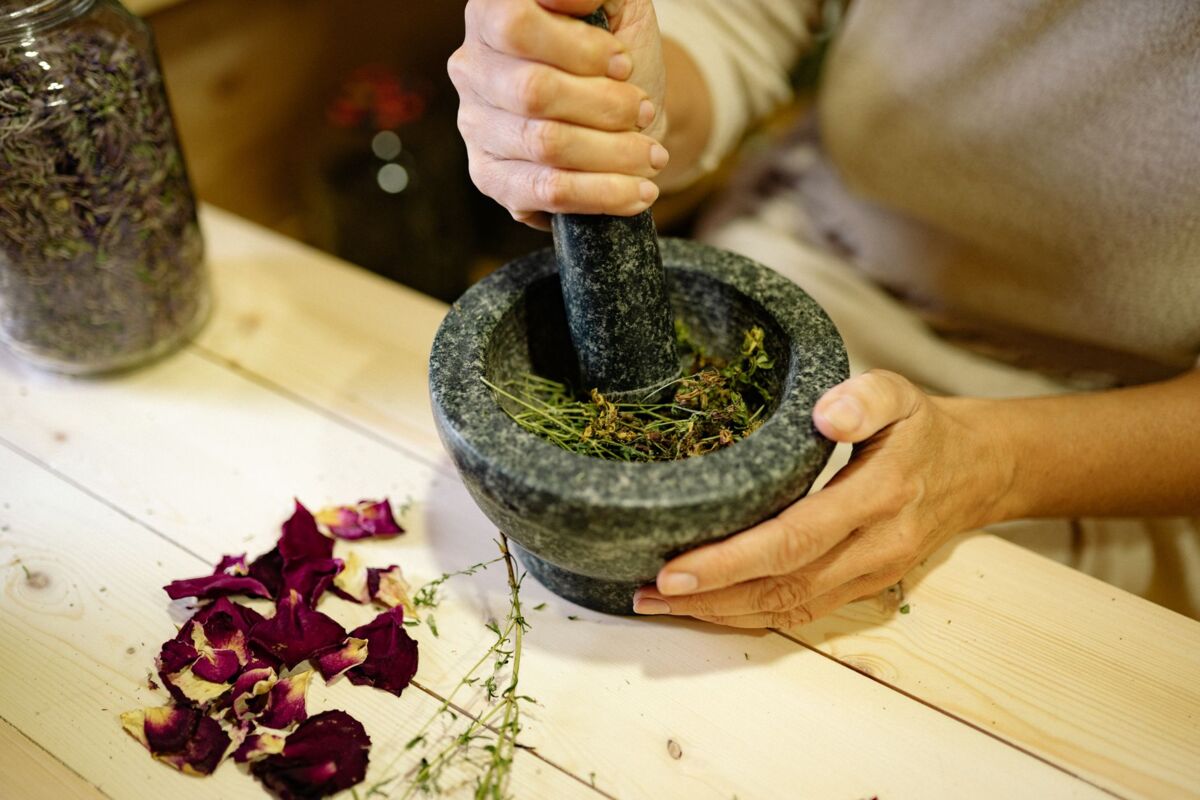
TCM also uses herbal preparations, which a practitioner may prescribe or which families buy as ready-made Chinese Proprietary Medicines (CPM). This is where parents should be most careful with infants and young children. A child's body is not simply a smaller version of an adult's, so ingredients, dose, and whether a remedy suits your particular child all matter a great deal. Manufactured CPM products sold here are regulated by the Health Sciences Authority (HSA), which sets safety and quality requirements, including limits on toxic heavy metals and microbial contamination and a ban on certain harmful substances. Regulation of the product, though, is not the same as a remedy being right for your child, so professional guidance and a doctor's awareness remain essential. We have deliberately not listed specific herbs or doses here, because that decision belongs with a qualified practitioner who has assessed your child.
Paediatric acupuncture (for older children)
Acupuncture involves inserting very fine needles at specific points. For children it is generally reserved for older age groups rather than babies and toddlers, used sparingly, and approached with the child's comfort and consent firmly in mind. Many families never reach this stage at all, since massage and herbal approaches are more common for younger children. If acupuncture is ever suggested for your child, it is entirely reasonable to ask why it is being recommended, what gentler alternatives exist, and how the practitioner adapts it for a child.
Why some parents explore paediatric TCM
Parents tend to turn to paediatric TCM for the everyday, non-emergency concerns that wear a family down over weeks and months, rather than for acute illness. It is important to frame these as the reasons parents commonly seek it and as traditional uses that practitioners offer it for, not as proven cures. The concerns most often mentioned include:
- Appetite and digestion, such as a child who eats very little, has a sensitive tummy, or struggles with constipation or bloating
- Sleep that is restless, broken, or hard to settle into
- Recurrent coughs, colds, and a runny or blocked nose, especially in children who seem to fall sick often after starting childcare
- A general wish to support a child's overall wellbeing in a gentle, hands-on way, and to build a calming routine
It helps to be honest about expectations. The evidence base for paediatric tuina is still limited and mixed, and individual results vary widely, so it is wiser to think of it as a gentle complement than a guaranteed fix. Some parents simply value the calm, attentive nature of a session and the routine it brings. Whatever the appeal, none of this replaces a medical assessment when symptoms are new, severe, or not improving. A recurrent cough can have many underlying causes, some of which need a doctor's eyes rather than a wellness approach. If your child has a diagnosed condition such as asthma, that should be managed by a doctor; any complementary support is a conversation to have with that doctor, not a substitute for prescribed treatment. For broader background on staying well, our guide to kids falling sick at childcare in Singapore is a practical companion read.
What age is paediatric tuina suitable for?
Suitable ages vary by clinic, and you will see different windows quoted, so confirm for your child. As a general pattern, paediatric tuina is most commonly offered from around six months of age, and many clinics consider the early years, roughly up to age six, the period when it is most often used. Some see older children too, and some will advise on younger infants case by case after assessing the child. Babies are exactly when caution matters most, so a clinic that wants to assess your baby individually before starting is showing good judgement. If a clinic is happy to treat a very young infant with no questions asked, treat that as a reason to slow down rather than speed up.
What a first visit is like, and what to bring
Knowing what to expect takes the edge off a first appointment. The practitioner usually asks about your child's symptoms, eating, sleeping, bowel habits, and general history before doing anything hands-on. For young children the session is typically brief and gentle, often centred on tuina, and many find the light massage soothing once they settle. You can usually stay with your child throughout, which most little ones prefer. To get the most from the visit, it helps to bring a few things:
- A short written list of any medicines, supplements, vitamins, or remedies your child already takes, including occasional ones
- Any allergies, ongoing conditions, or recent illnesses, plus relevant notes from your child's doctor if you have them
- A snack, water, and a comfort toy, since a calmer child gets more from a session
- Your questions written down, so you remember to ask them on the day
Timing helps too. A slot after a nap and a feed usually goes more smoothly than a tired late-afternoon appointment, and quieter clinic hours mean a calmer waiting room. If you are travelling across the island, check practical details such as parking, the nearest MRT, and whether the clinic has a space to nurse or change a baby, since not all do.
How to choose a clinic and practitioner safely
This is the part to read twice. The single most useful safety step you can take is to choose a properly registered practitioner who is experienced with children.
Check the practitioner is registered
In Singapore, TCM physicians and acupuncturists must be registered with the Traditional Chinese Medicine Practitioners Board (TCMPB), a statutory board under the Ministry of Health, and hold a valid practising certificate. You can search the public register on the TCMPB website to confirm a practitioner is listed. Registration does not guarantee any particular result, but it does mean the practitioner meets the Board's requirements and is held to its professional conduct standards. Beyond registration, look for genuine experience with children, and do not hesitate to ask how often the practitioner treats babies and young children specifically.
Ask the right questions before you commit
A trustworthy clinic welcomes questions and is upfront about what it does and does not do. Reasonable things to ask include how a course is structured and what each step is for, at what point they would advise you to see a doctor instead, and whether they will coordinate with your child's existing care. Fees, opening hours, session length, and course frequency vary widely between clinics, so confirm these directly before booking rather than relying on general figures or what a friend paid elsewhere; treat any specific number you read online as something to verify, not a fixed rate. Be wary of any clinic that guarantees results, pressures you into a long prepaid package on the spot, or discourages you from seeing a doctor.
Using paediatric TCM responsibly
TCM for children can be a gentle addition to family life, but only when used sensibly and never in place of proper medical care. A few principles keep it on the safe side of that line.
Treat it as complementary, not a substitute
MOH's position is that TCM's role is complementary and should not replace conventional medical care. In practice that means continuing any medication or treatment your child's doctor has prescribed and not stopping or swapping it on your own. If you are using both, let your healthcare team know so they have the full picture. If you are still settling on a doctor, our guide to choosing a paediatrician in Singapore can help.
Be cautious with herbs in babies and young children
Take particular care with anything swallowed by a baby or young child. Do not give herbal remedies, tonics, or proprietary products to an infant without professional advice, do not assume that natural means risk-free, and never exceed any recommended amount. Keep all remedies well out of reach, and stop and seek medical advice if your child has any reaction or seems unwell after taking one. When in doubt about a product, the safest default is to hold off and ask both a qualified practitioner and your doctor first.
Tell your doctor and pharmacist what your child is taking
Always tell your child's doctor and pharmacist about any herbs, tonics, or TCM products your child is taking, even occasional ones, because some ingredients can interact with prescribed medicines or change how the body handles them. A short, honest list helps your healthcare team keep your child safe and removes guesswork if your child becomes unwell.
When to see a doctor instead, or as well
Some symptoms in children need prompt medical attention rather than a wellness visit. See a doctor, or go to urgent care, if your child has any of the following, and do not let a TCM appointment delay that:
- Fever, especially in a young baby under three months, or a high or persistent fever in an older child
- Difficulty breathing, fast or laboured breathing, or persistent wheezing
- Signs of dehydration, such as far fewer wet nappies, no tears when crying, or a dry mouth
- A child who is unusually drowsy, floppy, or hard to rouse
- Severe or persistent pain, a fever with a rash, or repeated vomiting
- Any symptom that is getting worse, or simply not improving as you would expect
When in doubt, get it checked by a doctor first. Complementary options can be discussed later, once your child has been assessed and you know what you are dealing with.
Frequently asked questions
Is paediatric TCM safe for babies and toddlers?
Non-invasive approaches such as gentle paediatric tuina are commonly used for young children when carried out by someone trained in paediatric technique, and the massage itself is low-risk in nature. The bigger caution is with herbs taken by mouth, which should not be given to infants or young children without professional advice. Whatever the approach, it should sit alongside, not replace, your child's usual medical care, and anything worrying should be checked by a doctor.
What is paediatric tuina used for?
Parents commonly seek it for everyday, non-emergency concerns such as poor appetite or digestion, restless sleep, and frequent coughs and colds, and practitioners offer it as gentle support for general wellbeing. These are traditional uses rather than proven cures, the evidence is limited, and results vary from child to child. It is not a substitute for medical treatment of any diagnosed condition.
How do I check that a TCM practitioner is registered?
Search the public register of TCM practitioners on the Traditional Chinese Medicine Practitioners Board (TCMPB) website. Registered physicians and acupuncturists who hold a valid practising certificate are listed there. Look for someone experienced with children, and do not hesitate to ask about their background in paediatric care before you book.
My child has a fever or persistent cough. Should I try TCM first?
See a doctor first. Fever, breathing difficulty, dehydration, and symptoms that persist or worsen need a medical assessment, because the underlying cause is what matters. You can discuss complementary options later if appropriate, but medical care should not be delayed for an unwell child.
Are TCM products for children regulated in Singapore?
Manufactured Chinese Proprietary Medicines sold here are regulated by the Health Sciences Authority (HSA), which sets safety and quality requirements, including limits on toxic heavy metals and microbial contamination. Regulation of a product is not the same as it being suitable for your particular child, so professional guidance and a doctor's awareness still matter, especially for babies and young children.
Medical disclaimer: This guide is general information for Singapore parents and is not medical advice. Paediatric TCM should complement, not replace, conventional medical care. Always consult your child's doctor and a registered TCM practitioner before starting any new treatment or remedy, and seek urgent medical care for fever in young babies, breathing difficulty, dehydration, or any serious or worsening symptoms. For more parent-focused reading, explore our blogs, including our notes on helping fussy eaters and postnatal massage in Singapore.
- Traditional Chinese Medicine Practitioners Board (TCMPB) - Registers of TCM practitioners
- MOH Health Professionals Portal - TCM Practitioners
- Health Sciences Authority (HSA) - Regulatory overview of Chinese Proprietary Medicines
- HSA - How Chinese Proprietary Medicines are regulated
- HealthHub (Health Promotion Board) - Live Healthy resources
Childhood Myopia in Singapore: A Parent's Guide to Signs, Prevention and Eye Checks
A Singapore parent's guide to childhood myopia: why it is so common, early signs, outdoor and screen habits that help, e...
11 min read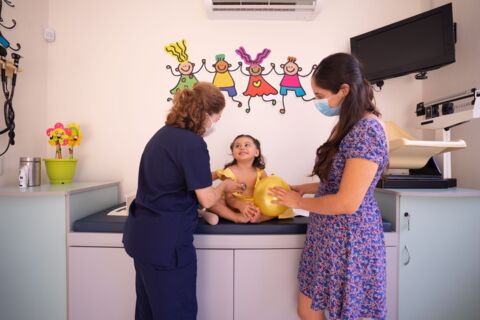
Choosing a Paediatrician in Singapore: A Practical Guide for Parents
How to choose a paediatrician in Singapore: GP vs polyclinic vs private PD, cost guidance, vaccinations, first-visit tip...
12 min read
Mosquito Repellent for Kids in Singapore: A Parent's Guide to Dengue Protection
How to choose mosquito repellent for kids in Singapore by age, protect babies from dengue, cover up, use nets, clear sta...
11 min read