

Surviving pregnancy heat in Singapore: how to stay cool and safe
In this article
If you are dealing with pregnancy heat in Singapore, the short answer is this: yes, pregnancy genuinely makes you feel hotter, and the local humidity makes it worse. Your body is running warmer because of a higher metabolic rate, more blood volume and the work of growing a baby. The good news is that you can cope well by staying hydrated, wearing light cotton, timing outdoor activities for the cooler morning or evening, leaning on shade, fans and air-conditioning, and resting in cool places. This guide walks through why expectant mothers feel the heat so strongly here, the everyday habits that help, and the warning signs of heat exhaustion that mean you should get cool and seek medical care promptly.
Singapore sits close to the equator, so warm temperatures and high humidity are a year-round reality rather than a seasonal one. For many women, the third trimester coincides with feeling unusually flushed, sweaty and tired in conditions that never used to bother them. None of that is a sign anything is wrong, but it does mean small adjustments to your routine are worth making early.
Why pregnancy makes you feel hotter
There are several real, physiological reasons you run warmer when expecting, and understanding them takes some of the worry out of feeling constantly overheated.
- Higher metabolic rate: your body is doing extra work to support your growing baby, and that increased metabolic activity produces more body heat as a by-product.
- More blood volume: pregnancy significantly increases the amount of blood circulating through your body. More blood near the skin surface can leave you feeling flushed and warm.
- Hormonal shifts: changes in pregnancy hormones can affect how your body regulates temperature, contributing to sweating and that warm, clammy feeling.
- Extra weight and effort: carrying additional weight means everyday movement, from climbing stairs to walking to the MRT, takes more effort and generates more heat.
- The baby adds heat too: your baby generates warmth of its own, and your body has to shed that heat along with your own.
Combine all of this with Singapore's humidity, and the picture becomes clearer. In humid air, sweat does not evaporate as easily, and evaporation is the main way your body cools itself. So even though you may be sweating plenty, you do not feel the cooling benefit, which is why a hot, sticky day can feel so draining when you are pregnant.
Practical ways to stay cool and comfortable
Most of staying comfortable comes down to consistent, simple habits rather than any single trick. Build these into your day and the heat becomes far more manageable.
- Drink water steadily through the day, not just when you feel thirsty. Keep a refillable bottle within reach and sip regularly, especially before and after being outdoors.
- Wear light, loose, breathable cotton or linen in pale colours. Tight synthetic fabrics trap heat and sweat against your skin.
- Time outdoor activities for the cooler parts of the day, such as early morning or after sunset, and avoid the midday sun when temperatures and UV levels peak.
- Use shade whenever you can. Walk on the covered side of the street, plan routes through sheltered walkways, and carry an umbrella for sun as well as rain.
- Lean on air-conditioning and fans. Spend the hottest hours indoors where you can, and use a fan to keep air moving even in cooler rooms.
- Take a cool (not icy) shower to bring your body temperature down, or run cool water over your wrists and the back of your neck for quick relief.
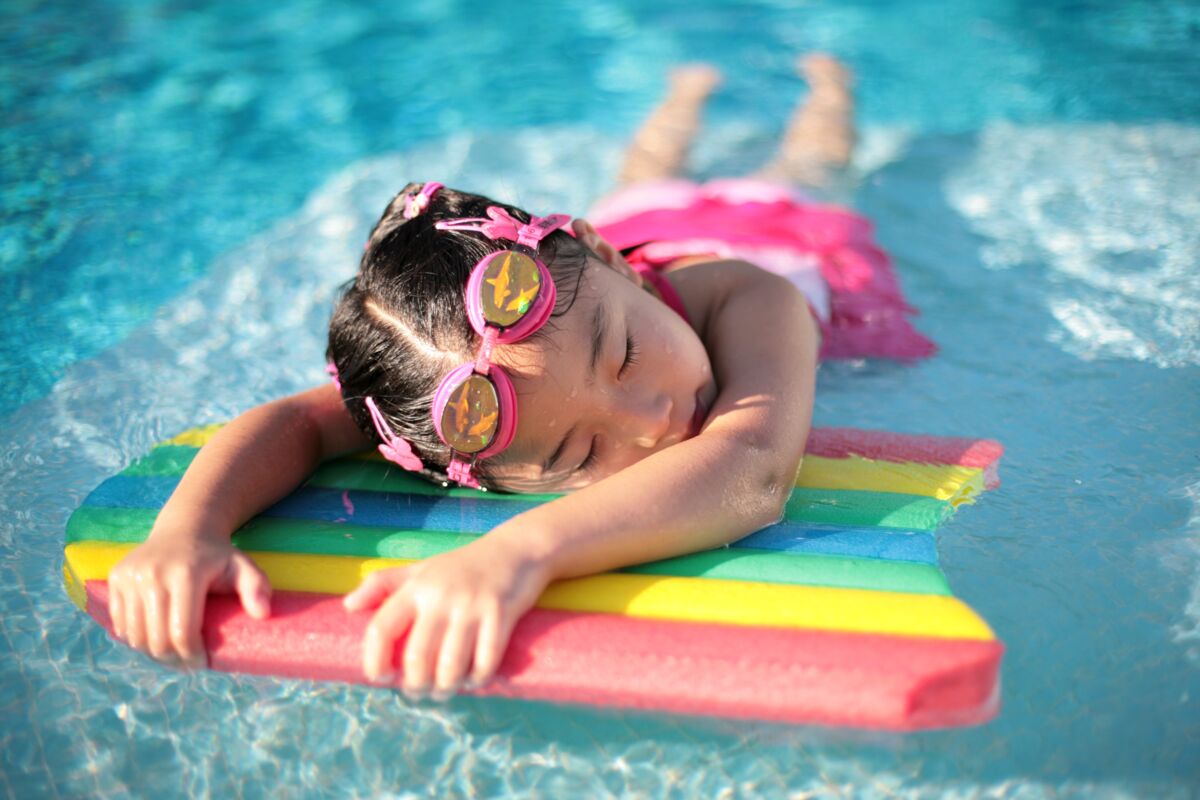
- Swimming is a pregnancy-friendly way to exercise and cool off at the same time, as the water supports your weight and keeps you comfortable.
- Raise swollen feet when you rest to ease the puffiness that heat can make worse.
- Top up electrolytes if you are sweating heavily, for example after exercise, since you lose salts as well as water through sweat. Plain water is fine for everyday sipping.
If you exercise, keep sessions in cooler hours, choose shaded or air-conditioned settings, and slow down or stop if you feel overheated. Our guide to safe exercise during pregnancy in Singapore covers how to adjust intensity sensibly in the local climate.
Cooling strategies by setting
Where you are matters. The same heat calls for slightly different tactics outdoors, at home and at work. Use the table below as a quick reference.
| Setting | What makes it hot | What to do |
|---|---|---|
| Outdoors | Direct sun, high humidity, exertion from walking | Go out in early morning or evening, stick to shade and covered walkways, carry water and a sun umbrella, take frequent breaks in air-conditioned spaces like malls or MRT stations. |
| At home | Trapped heat, poor airflow, cooking | Open windows for cross-ventilation in cooler hours, use fans and air-conditioning, take cool showers, cook during cooler parts of the day, and rest with feet elevated. |
| At work | Long hours, commuting, sometimes warm or stuffy rooms | Keep a water bottle on your desk, dress in light layers you can adjust, sit near airflow if you can, and take short cool-down breaks. Plan your commute to avoid the midday heat. |
Your commute is often the hottest part of the day. Allow extra time so you are not rushing in the sun, and treat air-conditioned trains and malls as cooling stops along the way.
Heat, swelling and the humid climate
Mild swelling, or oedema, in the feet, ankles and hands is common in later pregnancy as your body holds more fluid and circulation works harder. Heat tends to make it more noticeable, because warmth causes blood vessels to widen and fluid to pool, especially after a long day on your feet.
- Raise your feet on a stool or cushion whenever you sit down for a while.
- Avoid standing or sitting in one position for long stretches; move around gently to keep circulation going.
- Keep up your water intake. It sounds counterintuitive, but staying hydrated actually helps your body manage fluid balance.
- Choose comfortable, supportive footwear rather than tight shoes that pinch swollen feet.
- Cool down regularly, since reducing heat exposure helps keep swelling in check.
Gradual, mild swelling that eases with rest and elevation is usually a normal part of pregnancy. However, sudden or severe swelling, particularly of the face or hands, or swelling that comes with a bad headache or vision changes, should be checked by your doctor promptly, as it can signal a problem that needs attention. This is one of the things your care team keeps an eye on at your prenatal checkups and scans.
Cooling down means moving into shade or an air-conditioned room, loosening tight clothing, drinking water or an electrolyte drink slowly, and resting. Do not wait to see if a severe reaction passes on its own; pregnancy raises the stakes, so it is always reasonable to seek help early.
While we are focused on heat here, it is worth a brief note that the local climate brings two other, separate concerns: mosquitoes that can carry dengue, and occasional haze from regional fires. These are managed differently from heat, so do not let advice about one crowd out the others. Keep using mosquito protection and follow official guidance during haze episodes, and treat heat comfort as its own routine.
Feeling hot is also far from the only physical change you will notice. For the bigger picture of what is normal and when, see our overview of common pregnancy discomforts by trimester. Good nutrition and rest help your body cope with the heat too; our notes on eating well in pregnancy and on comfortable pregnancy sleeping positions can make warm nights easier to get through.
Frequently asked questions
Is it normal to feel much hotter when pregnant?
Yes. A higher metabolic rate, increased blood volume and hormonal changes all raise your sense of warmth, and the heat your baby generates adds to it. In Singapore's humidity, sweat evaporates poorly, so you feel hotter still. Feeling warmer than usual is expected, but if you ever feel unwell with it, cool down, hydrate and seek advice.
How much water should I drink in the heat?
Sip water steadily through the day rather than waiting until you are thirsty, and drink more on hot days or after activity. A useful at-a-glance check is your urine, which should be pale rather than dark. Dark urine or passing very little can be a sign of dehydration, so increase your fluids and rest in a cool place. Ask your doctor if you are unsure about the right amount for you.
Is it safe to use air-conditioning a lot during pregnancy?
Yes, staying in a cool, comfortable environment is helpful during pregnancy, and air-conditioning is a sensible way to avoid overheating in Singapore's climate. Set it to a comfortable temperature rather than freezing cold, keep a light layer handy if you feel chilly, and balance air-con time with good hydration.
When should I worry about swelling in the heat?
Mild swelling of the feet and ankles that eases when you rest and raise them is usually normal in later pregnancy. Be alert, though, to sudden or severe swelling, especially of the face or hands, or swelling alongside a severe headache or changes in your vision. Contact your doctor promptly if you notice these, as they need to be checked.

Antenatal Classes in Singapore: A First-Time Parent's Guide
Antenatal classes in Singapore explained: what prenatal classes cover, KKH/NUH/Thomson options, when to start, costs, an...
10 min read
Writing a Birth Plan in Singapore: A Flexible Guide for Mums-to-Be
How to write a flexible birth plan in Singapore: pain relief, birth positions, skin-to-skin, vitamin K, C-section and po...
9 min read
Breast cancer in pregnancy in Singapore: a calm, careful guide
A gentle, factual guide to breast cancer in pregnancy in Singapore: how it is diagnosed and treated safely, and where to...
9 min read