

Tekka Centre: A Family Guide to Little India's Best Hawker Centre and Market
In this article
- What is Tekka Centre, and why the name?
- Why families love it
- What to eat with kids
- Best age range and how long to stay
- Going with a stroller through a busy market
- Facilities, nursing and diaper changes
- What to bring
- Opening hours and the best time to go
- Getting there
- Rainy-day backup and what is nearby
- Good to know before you go
- Frequently asked questions
If you want to hand the kids a whole slice of Singapore in a single morning, few outings deliver like Tekka Centre. Tucked into the heart of Little India where Serangoon Road meets Bukit Timah Road, it folds a humming hawker centre, one of the country's largest indoor wet markets, and a floor of sari and fabric shops under one roof. It is loud, fragrant, gloriously colourful and a little chaotic, which is exactly why curious children love it. This guide is best for families who want an affordable, sheltered, sensory cultural outing, whether your kids are toddlers in a carrier or primary-schoolers ready to quiz the fishmonger. Here is how to do it well with little ones in tow.
What is Tekka Centre, and why the name?
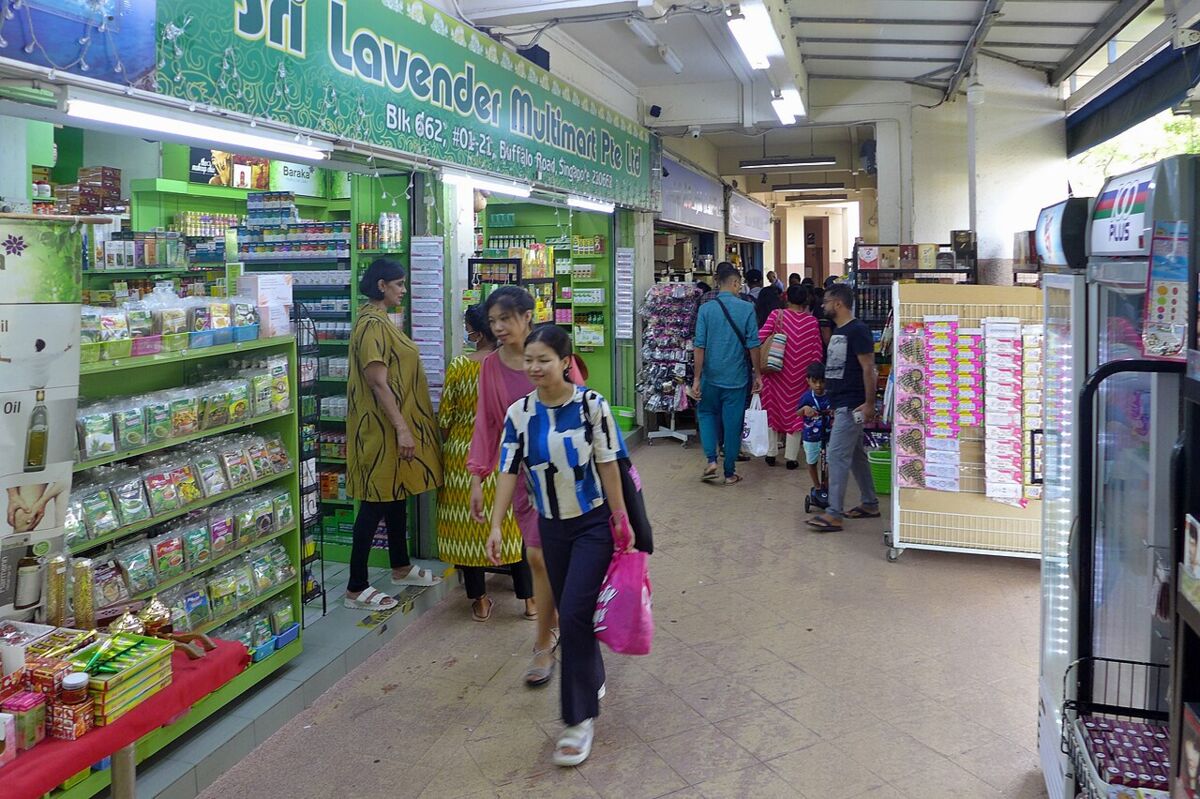
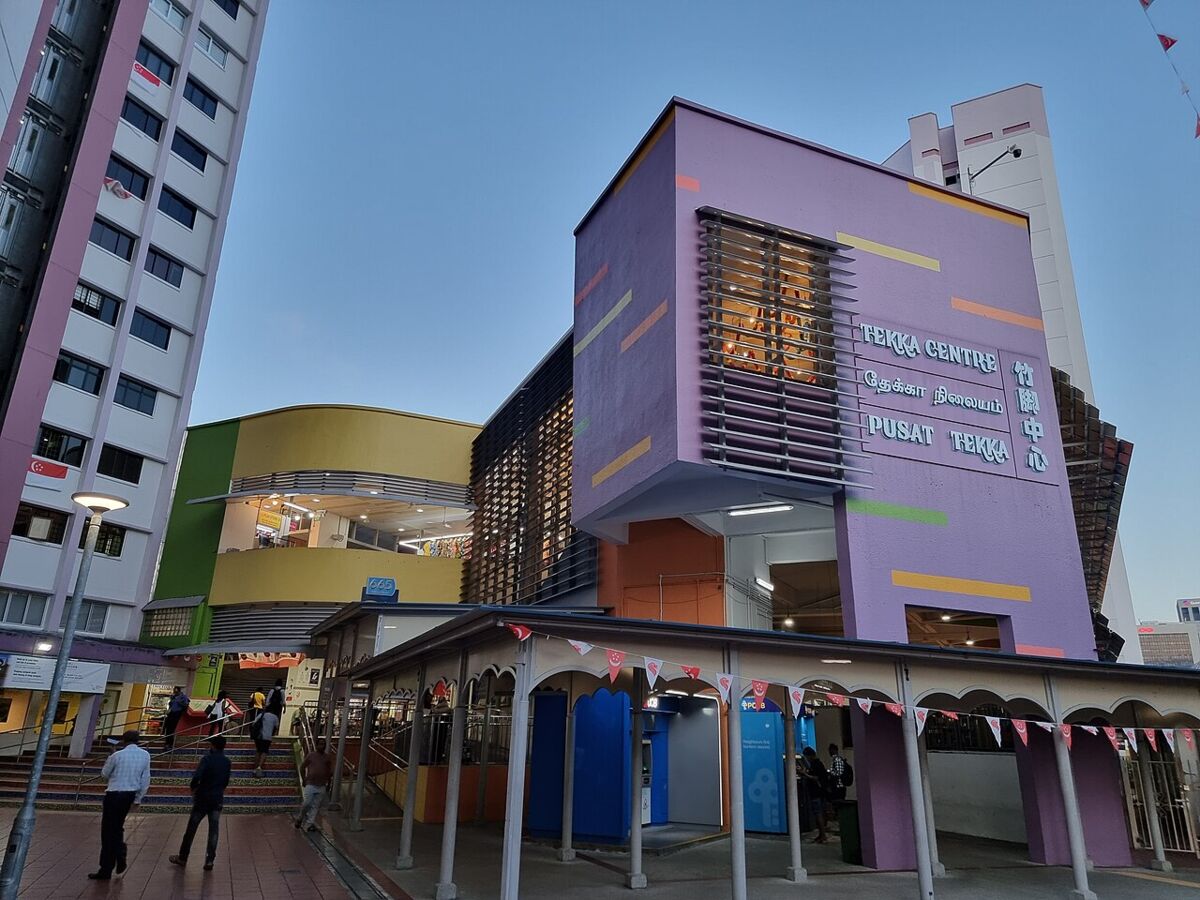
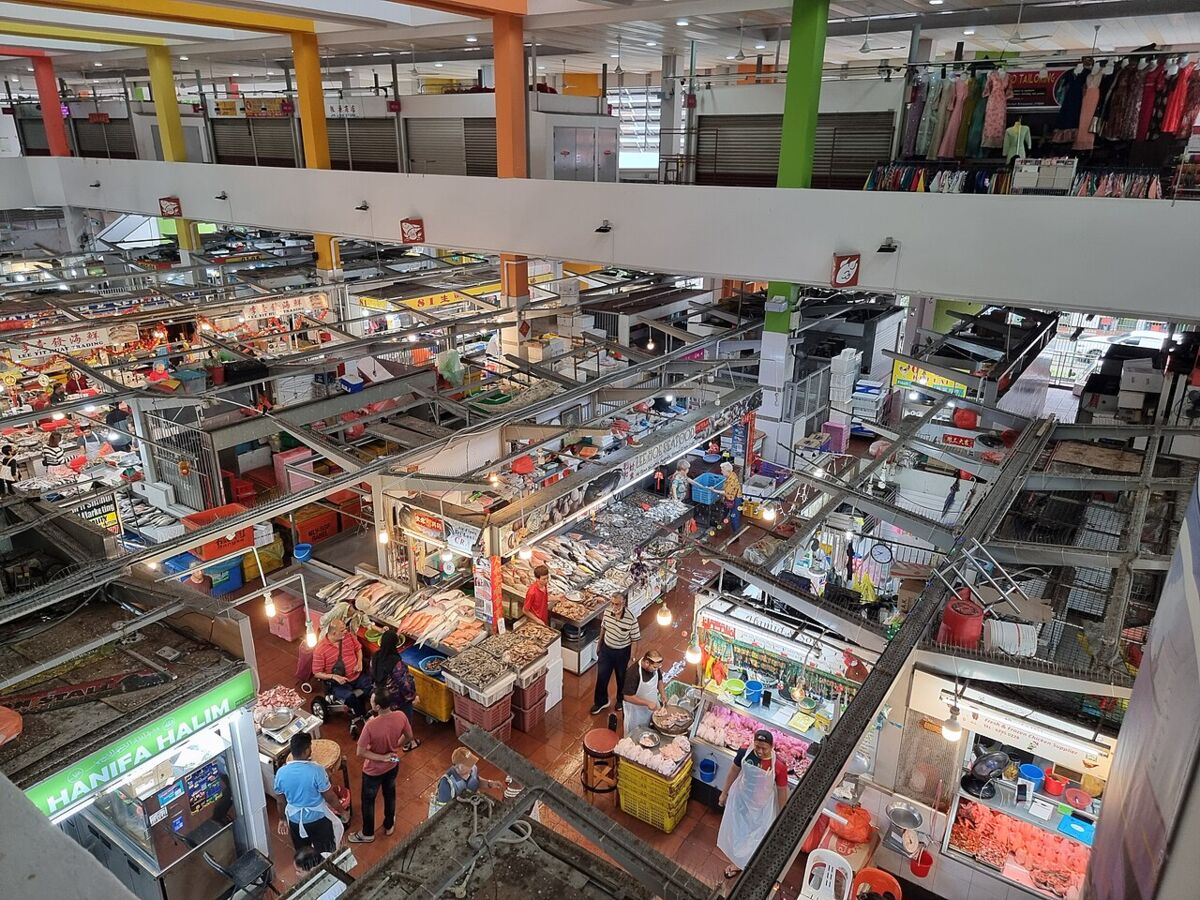
Tekka Centre is a multi-storey market and food complex that has anchored Little India for generations. The ground floor holds a sprawling wet market selling fresh produce, seafood, meat, spices and tropical fruit, alongside the hawker food centre and its dozens of cooked-food stalls. Upstairs sits a level of shops selling saris, fabrics, jewellery, accessories and tailoring. The exact mix shifts over time, so treat your first lap as a reconnaissance walk rather than a fixed plan.
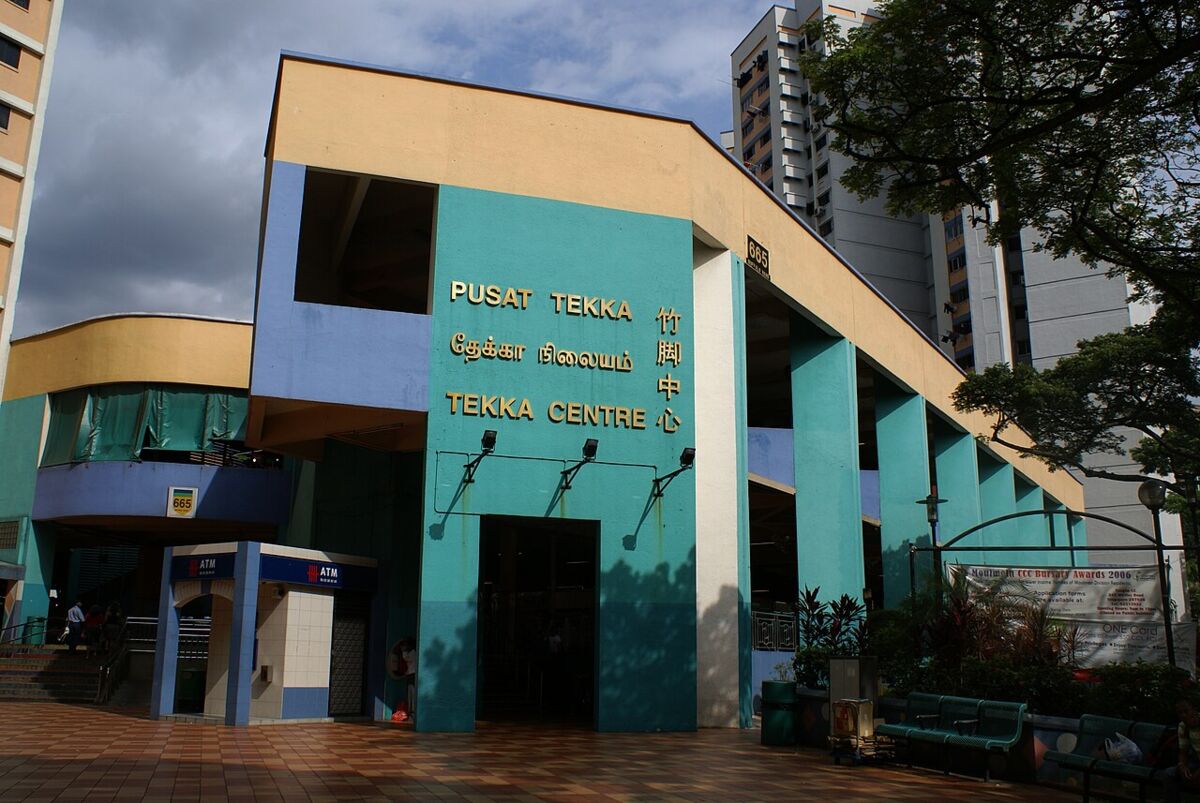
The heritage here is worth sharing with older kids. A market on this site dates back to around 1915, when it was first known by a Malay name meaning buffalo pens, a nod to the cattle trade that once defined the district. The popular name Tekka traces back to the bamboo that grew along the old Rochor Canal nearby. The market was rebuilt across the road at its current site in the early 1980s, carried a Mandarin-romanised name for a couple of decades, and was renamed Tekka Centre around the turn of the millennium to reflect its older identity. That backstory turns a food run into a small history lesson about how multicultural Singapore grew up.
Why families love it
Tekka is a feast for the senses, and that is what makes it brilliant for children. Within a few steps they can watch fishmongers fillet a catch, breathe in mounds of fresh spice, point at fruit they have never seen in a supermarket, and tuck into food that tastes nothing like the usual food-court fare. It is a low-cost way to introduce kids to Indian, Indian-Muslim, Malay and Chinese cooking in one go, and to a working market that runs the way markets did before chilled aisles took over.
- Affordable: hawker prices mean the whole family can eat well for very little, so it is easy on the budget even on a casual weekday.
- Multicultural in one stop: Indian, Indian-Muslim, Malay and Chinese stalls sit side by side, so picky eaters and adventurous ones are both covered, and it is a strong spot for halal options.
- Sensory and educational: a real working wet market is a living lesson in where food actually comes from, far more memorable than any worksheet.
- Sheltered: being indoors, it is a reliable rain-or-shine plan when an outdoor day falls through.
What to eat with kids
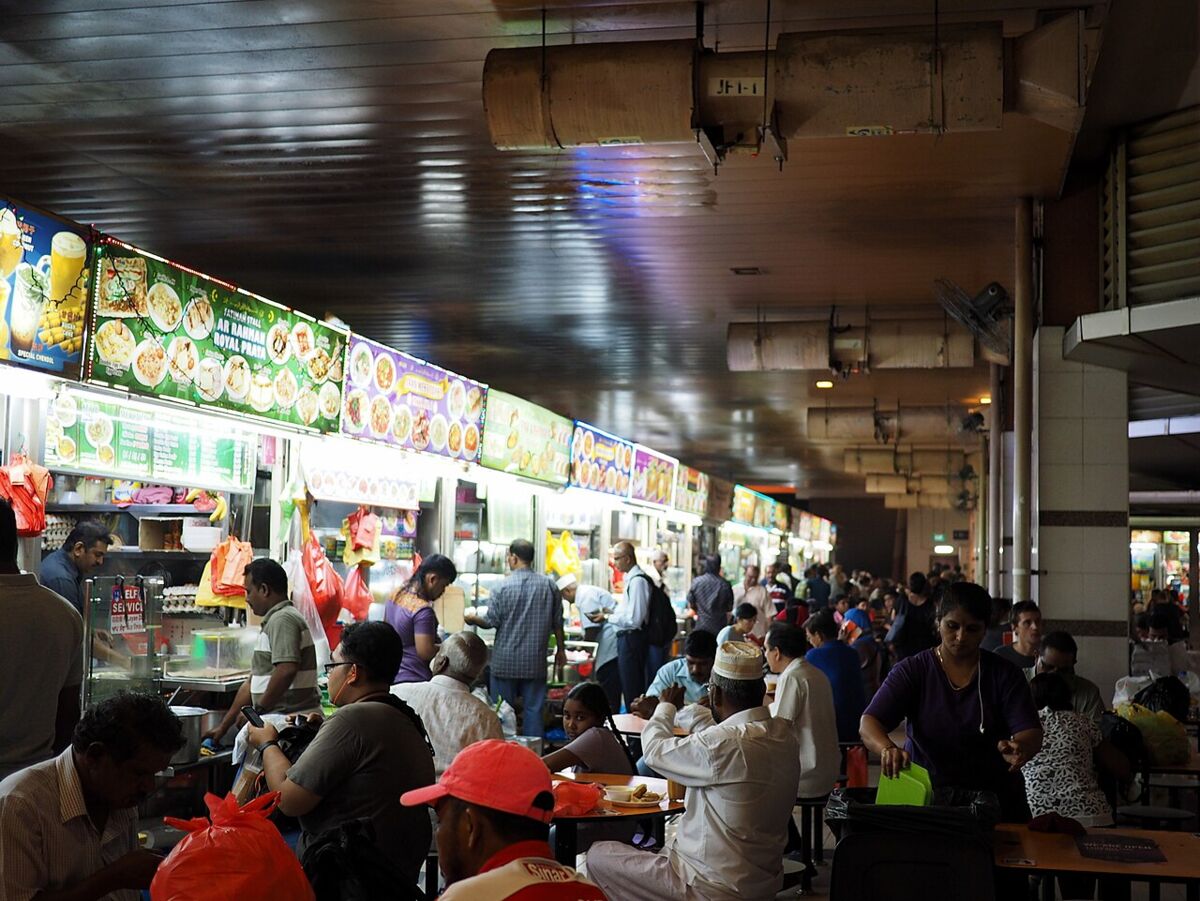
The cooked-food section leans towards Indian and Indian-Muslim cooking, with Chinese, Malay and other local stalls woven through. Because individual stalls and their hours change, think in terms of dish types to look for rather than chasing one specific stall, and confirm what is open on arrival. The gentlest entry points for families are usually the breads, rice dishes and milder South Indian items.
- Roti prata: flaky, crispy flatbread with curry served on the side. Most kids love tearing it up and dipping, and a plain or egg prata is about as mild as it gets.
- Biryani: fragrant basmati rice cooked with chicken, mutton or fish. Ask for a milder plate for younger children and keep the gravy separate so you control the heat.
- Dosa or thosai and idli: thin crisp South Indian crepes and soft steamed rice cakes, usually fairly gentle and fun for small hands to pull apart.
- Indian rojak: assorted fritters you dip into a sweetish sauce, a good shared snack that lets kids try a little of everything.
- Teh tarik and Indian sweets: the famous pulled milk tea is a sweet, milky treat (order it less sweet for little ones), and the brightly coloured sweets make a memorable end to the meal in small portions.
- Noodles and other local plates: if someone is simply not in a curry mood, look for fried noodles or other familiar local dishes from the Chinese and Malay stalls.
For more ways to feed the family, our roundup of the best hawker centres for families is a good companion, and if prata becomes a household favourite, our guide to the best roti prata in Singapore will keep the streak going.
Best age range and how long to stay
There is no wrong age for Tekka, but the experience changes with the child. Babies and toddlers do best in a carrier, watching the colour and movement at adult eye level without getting jostled. Preschoolers enjoy the wet market as a kind of live aquarium-meets-grocer, though noise and heat tire them quickly. Primary-aged children get the most out of it: they can help pick fruit, count out cash, sound out dish names and chat to vendors, which is where the real learning happens. Allow about an hour for a meal plus a wander, or stretch it into a half-day with a slow Little India walk. If your child is easily overstimulated, be in and out before the lunch rush.
Going with a stroller through a busy market
Be realistic about the space. Tekka is busy, the wet-market aisles can be tight, and the floor there is often damp from washing down. A stroller is manageable but not effortless, especially at peak times. A few habits make it smoother.
- Go early or mid-morning on a weekday if you can. Weekends, public holidays and the run-up to festivals like Deepavali get very crowded and hot.
- Choose a compact single stroller over a wide double, or skip wheels entirely and use a baby carrier, which threads through the narrow wet-market aisles far more easily.
- Put everyone in closed, non-slip shoes. The wet-market floor gets wet and slippery, and open sandals are not the move here.
- At the hawker centre, park the stroller right beside your table and order in shifts so one adult always stays with the children and the bags.
- Hold hands through the wet market, where it is narrow, fast-moving and full of trolleys, crates and hoses.
Facilities, nursing and diaper changes
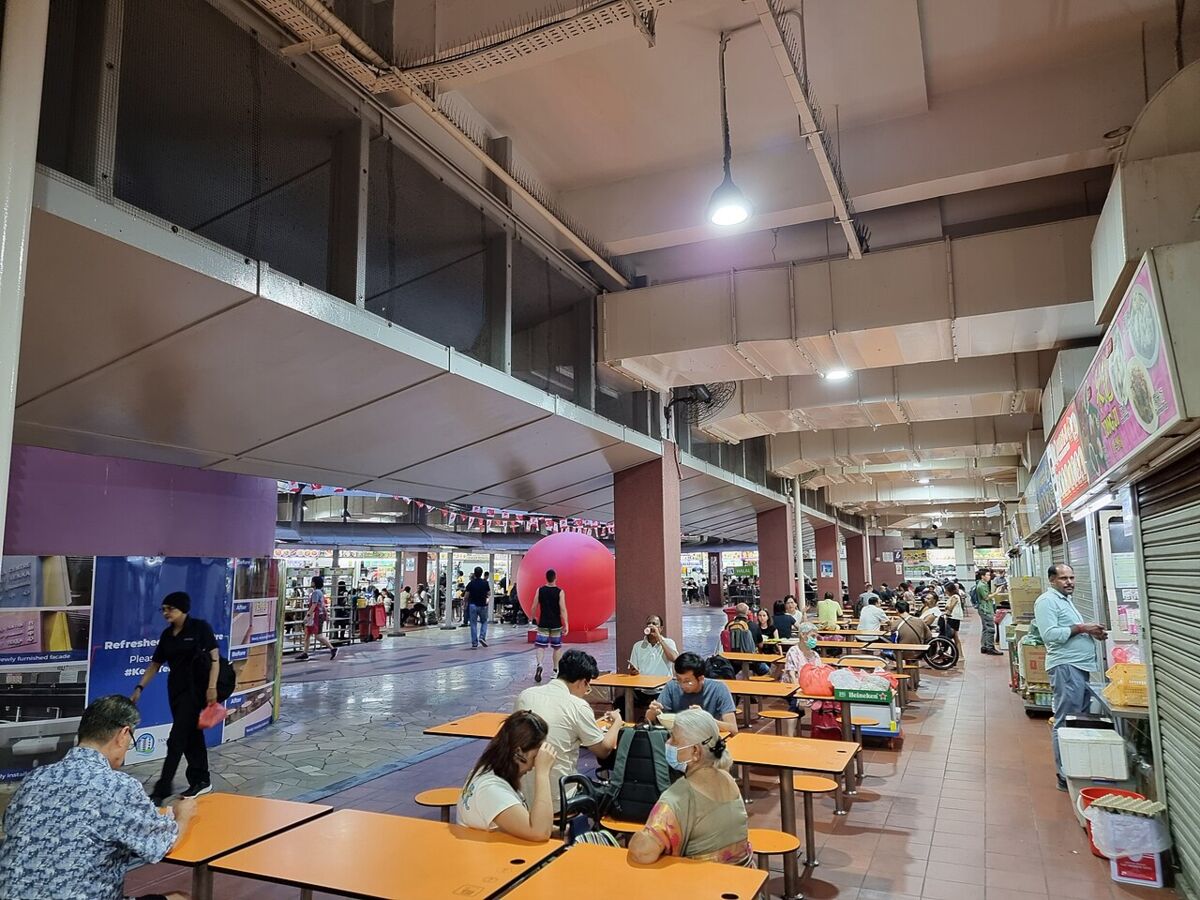
Tekka was refreshed in 2023, reopening after a few months of repairs with new paint, fresh flooring, new tables and chairs, added fans and upgraded toilets, so it feels noticeably cleaner than it once did. Even so, this is a working market rather than a mall, so do not expect a dedicated nursing room or a polished family lounge. If you are nursing, a light cover and a quieter table at the edge of the food centre work well, and it is wise to bring your own changing mat and wipes. Because family or accessible toilets and lift access can shift, do a quick look around on arrival or ask a stallholder, who will happily point the way.
What to bring
- Cash in small notes and coins: many stalls still prefer cash, so do not rely on cards or apps.
- Wet wipes and hand sanitiser: spice-stained fingers and a damp floor make these essential.
- Closed, non-slip shoes for everyone, kids included.
- A refillable water bottle for cooling sips between spicy bites.
- A baby carrier or compact stroller, plus your own changing mat if you have a baby.
Opening hours and the best time to go
Tekka is free to enter and open daily, but the three parts of the building keep different rhythms. The wet market is liveliest from dawn to early afternoon, with the freshest pickings and the most theatre for kids first thing. The cooked-food stalls run from morning into the evening, though each stall sets its own hours and rest days. The upstairs shops tend to open later in the morning and close by early evening. For a family visit, a weekday around mid-morning is the sweet spot: the market is still in full swing, the lunch crowd has not landed, and the heat is bearable. Because individual hours change, confirm current times before a special trip.
Because opening hours, individual stalls, prices and facilities can change, always confirm current details before you go. Tekka Centre is managed by the National Environment Agency (NEA), whose hawker centre information is the most reliable source, and the area's heritage is documented on the National Heritage Board's Roots portal.
Getting there
Tekka Centre could hardly be easier to reach by train. It sits right beside Little India MRT station, served by both the Downtown Line and the North East Line, so you can get there from most of the island with little or no transferring. The exits bring you out within a minute or two of the entrance, a real gift when you are managing a pram, a nappy bag and a hungry toddler.
Plenty of buses also run along Serangoon Road and Bukit Timah Road. If you are tempted to drive, parking in this area is limited and fills quickly, so the MRT is genuinely the lower-stress choice for families. Need to plan around naps and feeds? Our parenting tools can help you time the day.
Rainy-day backup and what is nearby
One quiet advantage of Tekka is that it is covered, so it doubles as a rainy-day plan when an outdoor outing washes out. When the skies are kind, it sits at the gateway to Little India and pairs naturally with a slow neighbourhood wander.
- Former House of Tan Teng Niah: a short walk away on Kerbau Road, this rainbow-coloured former villa is one of the most photogenic spots in Singapore and a fun backdrop for family photos.
- Street murals and shophouses: colourful wall art and heritage shophouses line the surrounding lanes, perfect for a casual hunt with older kids.
- Little India Arcade: a cluster of shops selling Indian souvenirs, sweets, jewellery and henna art.
- Mustafa Centre: a well-known round-the-clock department store nearby, handy if you suddenly need almost anything under one roof.
For an after-walk treat, see our guide to the best desserts in Singapore, and browse the wider blogs for more family days out.
Good to know before you go
- Best time: weekday mid-mornings are calmest, and the wet market is busiest and freshest early.
- Heat and noise: the warmth, smells and bustle can overwhelm small children, so keep it short and step outside for air if anyone wilts.
- Supervise closely: it is crowded and narrow in places, so keep little ones within arm's reach in the wet-market aisles.
- Hours and prices vary by stall and change over time, so check before a special trip.
- It is a working market: floors get wet and crates get wheeled about, which is part of the charm but also why footwear and supervision matter.
Frequently asked questions
Is Tekka Centre good for young children?
Yes, with sensible expectations. It is busy and the wet-market floor can be wet, but it is sheltered, affordable and packed with things for kids to look at. Go off-peak, keep little ones close, dress everyone in closed shoes, and it makes a memorable, low-cost outing.
What are the opening hours?
Tekka is open daily and free to enter, but the wet market, the cooked-food stalls and the upstairs shops each keep different hours, and individual stalls set their own days off. The wet market is busiest from early morning to early afternoon. Because times change, confirm current hours via NEA before a special visit.
Is the food halal?
Many stalls serve Indian-Muslim and halal food, which makes Tekka a strong choice if you need halal options, but not every stall is certified. Check the individual stall's signage if this matters to you.
Are there nursing rooms and diaper-changing facilities?
This is a working market rather than a mall, so do not count on a dedicated nursing room. Toilets were upgraded in 2023, but bring your own changing mat and wipes and feed at a quieter edge table. Ask a stallholder for directions to the nearest facilities.
Is it stroller-friendly?
A compact single stroller is manageable, but the wet-market aisles are tight and damp, so a baby carrier is often easier. Go off-peak and park the stroller beside your table while you eat.
How long should we spend there?
Allow about an hour for a meal and a wander. Combine it with a longer Little India walk and you have an easy half-day out with the kids.
Gluten Free and Allergy-Friendly Eating Out in Singapore: A Parent's Guide
A practical parent's guide to gluten free and allergy-friendly eating out in Singapore: allergens, hawker safety, talkin...
9 min read
Cat Cafe Singapore: A Family Guide to Animal Cafes
A parent's guide to the cat cafe Singapore scene and animal cafes: how they work, age rules, etiquette, welfare, and wha...
10 min read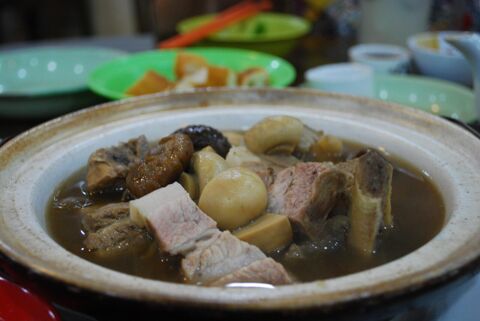
Bak Kut Teh in Singapore: A Family Guide to the Comforting Pork Rib Soup
A parent's guide to bak kut teh in Singapore: peppery vs herbal styles compared, what to order for kids, spice tips and ...
10 min read