

Vegetarian Food in Singapore: A Family Guide to Plant-Based Dining With Kids
In this article
- The main types of vegetarian food families will find
- Vegetarian, vegan, Jain, no-onion-garlic: what the labels mean
- Hidden animal ingredients to ask about
- Winning over fussy eaters on a plant-based menu
- Nutrition basics for kids on a plant-based diet
- Dining out with kids: practical tips
- Where vegetarian food tends to cluster
- Frequently asked questions
Feeding a vegetarian or plant-curious family in Singapore is far easier than in most cities, but the first few weeks can feel like learning a new language. The word "vegetarian" here stretches across a temple-style Buddhist stall that skips onion and garlic, a South Indian restaurant ladling sambar over a crisp dosa, a Halal-certified Indian-Muslim shop, and a slick cafe plating mock-meat burgers and oat-milk smoothies. Add a couple of hungry, opinionated kids and the questions stack up: what does this place actually serve, what do the labels mean, and how do I order without a fish-sauce surprise? This guide is for parents who want a calm, practical map of the whole scene, from the cheapest hawker plate to a sit-down vegan dinner, plus the bits the restaurant round-ups skip: winning over a fussy eater, what kids on plant-based diets need, and keeping a meal out pleasant with small people in tow. We do not name specific prices or menus, because those change weekly; instead we describe what to look for so you can check current listings on an app like HappyCow before you head out.

The main types of vegetarian food families will find
Singapore's meat-free options cluster into a handful of recognisable styles. Knowing which one you are walking into helps you predict the menu and pitch it to the kids before anyone gets cranky.
Chinese Buddhist vegetarian (zhai / su)
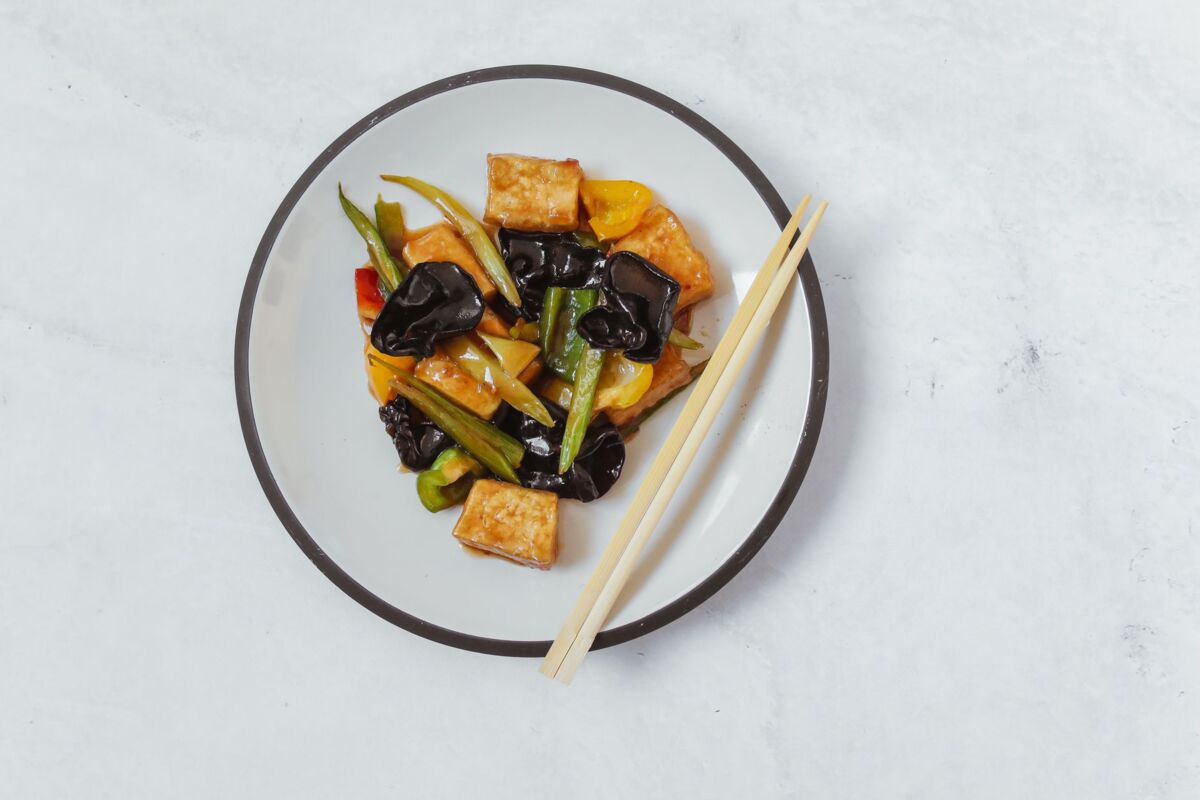
You will see two words on shopfronts and stalls: zhai and su. They are often used interchangeably to mean "vegetarian," but there is a real difference. Stricter zhai cooking follows Buddhist practice, avoiding the five pungent vegetables (garlic, onion, leek, shallot and similar alliums) and sometimes limiting eggs and dairy. Because some observant Buddhists eat their main vegetarian meal before noon, a number of these stalls open early and close in the early afternoon, so plan them for lunch. The food is genuinely kid-friendly: braised mixed vegetables (luohan zhai, the classic "Buddha's delight"), mock-meat versions of familiar dishes, beancurd, mushrooms and gently seasoned noodle soups. Well-known names include Loving Hut and the more upmarket LingZhi and Lotus-style restaurants. If your family avoids onion and garlic, a stricter zhai kitchen is one of the easiest places to eat out.
Indian vegetarian
South Indian vegetarian cooking is a Singapore strength and a huge hit with children: crispy dosa with coconut chutney and sambar, soft idli, vegetable biryani sets, chapati, dal and paneer. Many South Indian eateries are fully vegetarian, so you can relax about cross-contamination, and several lean naturally vegan if you skip the ghee, paneer and yoghurt-based raita. This style clusters in Little India along Serangoon Road, with familiar chains island-wide. Some Indian restaurants also run generous buffet or pay-as-you-wish concepts that suit growing kids; our guide to the best buffets in Singapore for families covers how to make those work without waste. Ask whether a dish uses ghee (clarified butter) if you eat strictly vegan.
Modern plant-based cafes and restaurants
The newer wave is the fully vegan cafe and restaurant scene: plant-based burgers, grain bowls, pastas, mock seafood, dairy-free bakes and smoothies. Brands like VeganBurg, nomVnom, Herbivore and Whole Earth (a Peranakan-Thai spot with a Michelin Bib Gourmand) sit here, alongside family-run cafes such as SunnyChoice. These places usually label allergens, mark vegan items and stock kid-pleasers like nuggets, pizza and pasta, which makes them low-stress for parents. They cost more than a hawker meal and may need a booking at peak times, so call ahead with a full table.
Hawker centres and food courts
You do not need a dedicated restaurant to eat well. Most hawker centres have at least one vegetarian stall (look again for the zhai or su sign), and many mainstream dishes are meat-free or can be made so: economic vegetable rice (cai fan, where you point at what you want), vegetable fried noodles or rice, plain or vegetable roti prata, thunder tea rice (lei cha), tofu and chap chye (mixed vegetables). Indian-Muslim (mamak) stalls add Halal vegetable options. The catch is hidden seasonings (more below), because shared woks and stock are common. For a wider tour of eating out cheaply with kids, our roundup of the best hawker centres for families is a useful companion.
Vegetarian, vegan, Jain, no-onion-garlic: what the labels mean
These words are not interchangeable, and getting them right helps both your family and the person serving you.
- Vegetarian: no meat, poultry or fish, but eggs, milk, cheese and butter are usually fine. A stall calling itself vegetarian in Singapore may still use eggs and dairy.
- Vegan: no animal products at all, so no eggs, dairy, honey or animal-derived stock. Modern plant-based cafes are reliably vegan; traditional vegetarian stalls often are not, so ask.
- Jain: stricter than vegan, also avoiding root and underground vegetables (potato, onion, garlic) and often mushrooms. If your family follows Jain practice, say so explicitly rather than just asking for "vegetarian."
- No onion, no garlic: common among observant Buddhists and Hindus. Strict zhai kitchens already cook this way; elsewhere you must request it, and not every kitchen can manage it once a base sauce is pre-made.
- Halal-vegetarian: if you also keep Halal, many Indian-Muslim and vegetarian Indian eateries are certified; check for the certificate if it matters to you.
Hidden animal ingredients to ask about
The biggest trap for families is not the obvious meat, it is the seasoning. Several everyday ingredients in Singapore cooking are animal-derived and easy to miss:
- Fish sauce and fish or shrimp stock, common in Thai, Vietnamese, Malay and many noodle soups.
- Oyster sauce, a default in stir-fried vegetable and noodle dishes.
- Belacan (shrimp paste), central to sambal and many Malay and Peranakan dishes.
- Dried shrimp (hae bee) and ikan bilis (dried anchovies), sometimes scattered into otherwise vegetable dishes, including some versions of thunder tea rice.
- Lard, occasionally used in chwee kueh, carrot cake, certain fried noodles, and in the frying oil itself.
A short, polite script does the job: "Is this vegetarian? No fish sauce, no oyster sauce, no meat or shrimp?" In Mandarin you can say "chi su" (I eat vegetarian). Most hawkers happily explain how a dish is made, and dedicated vegetarian stalls remove the guesswork. When the answer is unclear or the stall is slammed, pick a fully vegetarian stall rather than gamble on a shared-wok dish.
Winning over fussy eaters on a plant-based menu
A meat-free menu is not automatically a kid-friendly one, and a wall of unfamiliar mock-meat names can stall a fussy eater before the first bite. The trick is to anchor each meal on something they already trust, then let the novelty ride alongside it.
- Lead with familiar shapes. Pasta, pizza, plain rice, dumplings, nuggets, burgers and noodle soups all have vegan versions that look like the originals. Order one safe dish per child as a fallback.
- Let them assemble. Build-your-own bowls, dosa you tear and dip, and rice with veggie sides give kids control, which fussy eaters love. Keep sauces on the side.
- Go mild first. Ask for chilli on the side, or pick coconut-based or tomato-based gravies for younger palates.
- Name it appealingly. "Crispy mushroom bites" lands better than "plant-based protein bowl." You are not lying, just translating.
- One new thing per meal. Pair a known winner with a single small taste of something new, not a whole plate of it.
Patience beats persuasion: it can take many low-pressure exposures before a child accepts a new food, so keep portions small and skip the pressure. If allergies are also in the mix, our guide to allergy-friendly eating in Singapore pairs well with this one.
Nutrition basics for kids on a plant-based diet
The occasional vegetarian meal needs no special planning. But if you are raising a child fully vegetarian or vegan, a few nutrients deserve attention because they are easy to fall short on once meat, fish or dairy come off the plate. This is general information, not medical advice: before putting a child on a long-term plant-based diet, talk to your paediatrician or a registered dietitian, who can tailor it to your child's age and advise on supplements.
- Protein: tofu, tempeh, beans, lentils, chickpeas, edamame, nuts and seeds (plus dairy or eggs if vegetarian). Easy wins are dal, hummus and bean-based pasta.
- Iron: lentils, beans, tofu, dark leafy greens and fortified cereals. Serving these with vitamin C foods (tomato, citrus) helps the body absorb plant iron.
- Vitamin B12: not reliably found in plant foods, so vegan children typically need fortified foods or a supplement. A common one to discuss with your doctor.
- Calcium and vitamin D: from fortified plant milks, calcium-set tofu and leafy greens. Sun helps with vitamin D, and supplements are sometimes advised.
- Omega-3 and zinc: ground flaxseed, chia, walnuts, wholegrains and legumes round things out.
None of this means eating out is risky; it just means a child's everyday plant-based diet is worth planning with a professional rather than improvising.
Dining out with kids: practical tips
- Pick the right setting. Casual cafes and hawker centres are the most relaxed for families; many cafes have high chairs, but call ahead if you need one, as stocks run short at busy times.
- Share generously. Hawker and Indian portions are big; a couple of mains plus plain rice or an extra dosa to share usually feeds a small family without waste.
- Time it. Some Buddhist zhai stalls close after lunch, so treat them as a midday plan. Aim for an early lunch or early dinner to dodge queues with restless kids.
- Mind access. Many hawker centres and Little India eateries are walkable from an MRT station, beating a parking hunt with a stroller; check whether a cafe is upstairs or pram-friendly.
- Have a rainy-day backup. Mall food courts keep you dry and usually have a vegetarian stall plus high chairs and toilets nearby.
- Carry a snack. A familiar fruit or biscuit smooths over the gap if the first stall does not work out.
- Verify before you set off. Hours, locations and whether a stall is fully veg or vegan change often; confirm on a current app, especially when crossing the island.
Where vegetarian food tends to cluster
You will find meat-free food island-wide, but a few patterns help. South and North Indian vegetarian cooking concentrates around Little India, much of it a short walk from the MRT. Chinese Buddhist stalls and shops appear near temples and in older neighbourhoods, and some mixed-use complexes house several meat-free stalls under one roof. Modern vegan cafes skew central and city-fringe, often tucked into shophouse rows. Rather than chasing a specific address from this page, search a current directory for "vegetarian" or "vegan" near where you will be, filter for fully meat-free where it matters, and check the latest hours before setting out.
Frequently asked questions
Is it easy to eat vegetarian with kids in Singapore?
Yes. Between Chinese Buddhist stalls, abundant South Indian restaurants, hawker vegetable dishes and a growing vegan cafe scene, most neighbourhoods offer something child-friendly. The main effort is checking for hidden seasonings like fish sauce and oyster sauce rather than finding food at all.
Does "vegetarian" in Singapore mean vegan?
Not necessarily. A stall labelled vegetarian may still use eggs and dairy. If you need fully vegan food, say so directly and ask about eggs, milk and animal-derived stock. Dedicated vegan cafes are the most reliable for this.
What do zhai and su mean on a stall?
Both signal vegetarian food. Su is the general word for vegetarian, while zhai often points to stricter Buddhist-style cooking that avoids onion, garlic and other pungent vegetables, and sometimes eggs and dairy. Some of these stalls also close in the early afternoon, so plan them for lunch.
What plant-based dishes do kids usually accept?
Familiar shapes win: vegan pasta, pizza, dumplings, nuggets, burgers and noodle soups, plus dosa they can tear and dip, plain rice with mild braised vegetables, and tofu. Order one safe dish per child as a fallback and keep strong spice on the side.
Is a vegetarian or vegan diet safe for my child?
A balanced plant-based diet can suit children, but it needs planning to cover protein, iron, vitamin B12, calcium, vitamin D and omega-3. Before raising a child fully vegetarian or vegan, check with your paediatrician or a registered dietitian, who can advise on portions and any supplements for your child's age.
Can I find no-onion, no-garlic, Jain or Halal-vegetarian food?
No-onion, no-garlic food is straightforward at strict Buddhist zhai kitchens, and many places do it on request. Jain diets are more restrictive (also avoiding root vegetables and often mushrooms), so state "Jain" clearly and confirm specifics, especially in Little India. For Halal, many Indian-Muslim and vegetarian Indian eateries are certified.
Which hidden ingredients catch families out most often?
Fish sauce, oyster sauce, belacan (shrimp paste), dried shrimp, ikan bilis and lard are the usual culprits in otherwise vegetable-looking hawker dishes. Asking "no fish sauce, no oyster sauce, no shrimp?" before ordering avoids most surprises, or simply choose a fully vegetarian stall.
Once a meal is sorted, build the outing around it. See our roti prata guide for an easy vegetarian-friendly breakfast win, and the Eat hub for more family dining ideas across the island.
Gluten Free and Allergy-Friendly Eating Out in Singapore: A Parent's Guide
A practical parent's guide to gluten free and allergy-friendly eating out in Singapore: allergens, hawker safety, talkin...
9 min read
Cat Cafe Singapore: A Family Guide to Animal Cafes
A parent's guide to the cat cafe Singapore scene and animal cafes: how they work, age rules, etiquette, welfare, and wha...
10 min read
Bak Kut Teh in Singapore: A Family Guide to the Comforting Pork Rib Soup
A parent's guide to bak kut teh in Singapore: peppery vs herbal styles compared, what to order for kids, spice tips and ...
10 min read