

Peranakan Food in Singapore: A Family Guide to Nyonya Cuisine
In this article
- What is Peranakan (Nyonya) cuisine?
- Why families love it
- Kid-friendly Peranakan dishes to start with
- The bolder classics (for the grown-ups)
- Save room for Nyonya kueh
- The heritage angle: Katong and Joo Chiat
- Eating out with kids: the practical stuff
- How to order a family-friendly spread
- Make a day of it: the Peranakan Museum
- Good to know before you dine
- FAQ
Few cuisines tell Singapore's story as deliciously as Peranakan food. Born from generations of intermarriage between early Chinese traders and local Malay and Indonesian families, it folds Chinese wok cooking together with fragrant Southeast Asian spices like candlenut, tamarind, lemongrass and chilli. The result is rich, layered and deeply comforting. For families it is also a wonderful introduction to local heritage, with a whole rainbow of dishes that even fussy little eaters tend to love. This guide is best for parents who want to take curious kids out for a real local meal without anyone melting down over the spice, so here is how to dive into Peranakan food in Singapore with little ones in tow, plus the heritage walk that turns lunch into a proper outing.
What is Peranakan (Nyonya) cuisine?
Peranakan refers to the Straits Chinese community, often called Baba (the men) and Nyonya (the women). The cooking is frequently labelled Nyonya food because the recipes were traditionally prepared and handed down by the women of the household, who could spend hours pounding spice pastes by hand. In everyday Singapore the words Peranakan and Nyonya are used more or less interchangeably.
What sets the cuisine apart is the blend. Chinese ingredients and techniques meet Malay and Indonesian spice pastes, known as rempah, pounded fresh from aromatics. Expect coconut milk, gula melaka (palm sugar), belacan (shrimp paste), turmeric, candlenut and galangal. Some dishes are gently sweet and mild, others punchy and pungent, so there really is something on the table for every age.
A few ingredients that make the magic
Understand a handful of building blocks and the menu makes a lot more sense. Knowing which flavours are mild and which are bold also helps you steer the order for younger palates:
- Buah keluak - an earthy black nut from the kepayang tree, carefully prepared before it is safe to eat. It gives the signature dish its dark, almost truffle-like flavour and is firmly an acquired taste.
- Gula melaka and coconut milk - the sweet, mellow pairing behind most kueh and many milder mains. This is the flavour kids latch onto first.
- Belacan and sambal - fermented shrimp paste pounded with chilli. Savoury, salty and often spicy, it shows up in the bolder plates.
- Assam (tamarind) - a sour-tangy note that lifts curries and prawn dishes. Tartness rather than heat, so most children cope fine.
- Candlenut, lemongrass and galangal - fragrant base notes pounded into rempah. Aromatic rather than hot, they give the food its perfume.
Why families love it
Peranakan meals are usually served family-style, with several shared dishes and a big bowl of rice in the middle. That format is ideal for kids: you order a spread, let little ones graze on the milder plates, and the adults enjoy the bolder flavours. The food is also colourful and texture-rich, a real help with curious-but-cautious eaters who taste with their eyes first. Many heritage restaurants and homestyle eateries are relaxed neighbourhood spots rather than hushed fine-dining rooms, so a bit of toddler chatter rarely feels out of place.
Kid-friendly Peranakan dishes to start with
If your children are new to local flavours, these are the gentle, approachable choices to anchor the order around. None of them should arrive aggressively spicy, though it is always worth asking:
- Chap chye - a soft, savoury braise of cabbage and glass vermicelli noodles, sometimes with mushrooms and a little fermented bean. Mild, comforting and easy to eat with rice.
- Babi pongteh - pork braised with fermented soya bean (taucheo) until meltingly tender. Savoury-sweet rather than spicy, and one of the easiest mains to win over older children.
- Popiah - a fresh (not fried) spring roll wrapped in a soft skin and filled with stewed turnip, egg and sometimes prawn. Often assembled at the table, so you can simply leave the chilli out for kids.
- Kueh pie tee - crisp little pastry top hats filled with sweet shredded turnip and prawn. Fun, bite-sized and a reliable hit with children who love finger food.
- Ngoh hiang - five-spice meat rolls, usually fried and sliced. Savoury, not spicy, and great dipped in a little sweet sauce.
- Itek tim - a clear, comforting duck and salted-vegetable soup with a gentle tang. The broth and rice alone make an easy, soothing option for smaller eaters.
The bolder classics (for the grown-ups)
These are the dishes long-time fans seek out. They can be rich, spicy or pungent, so taste before sharing with younger children and keep some plain rice on standby:
- Ayam buah keluak - the signature Peranakan dish: chicken braised in a deep, spiced tamarind gravy with buah keluak, the earthy black nut described above. The flavour is intense and acquired, so most kids will prefer the gravy spooned over rice rather than the nut itself.
- Nyonya laksa - a rich, coconutty, spicy noodle soup. The well-known Katong style is served with the noodles cut short so you can eat the whole bowl with just a spoon. You can often ask for less chilli.
- Assam and sambal dishes - think assam prawns or sambal-based seafood, where tamarind sourness or chilli heat takes the lead. Best for spice-loving adults; order one to share before committing.
- Curry kapitan - a fragrant, coconut-rich chicken curry. Some versions are mild enough for older kids who like a bit of curry, others bring real warmth, so taste first.
Save room for Nyonya kueh
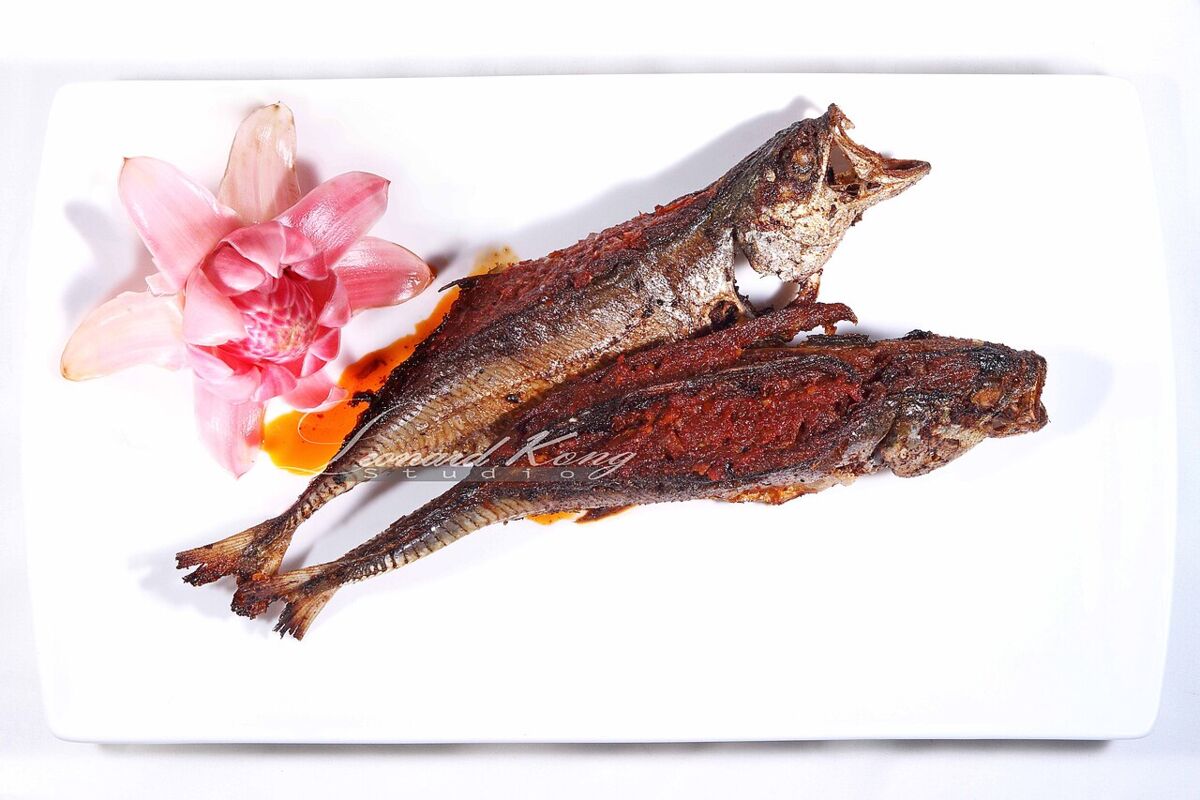
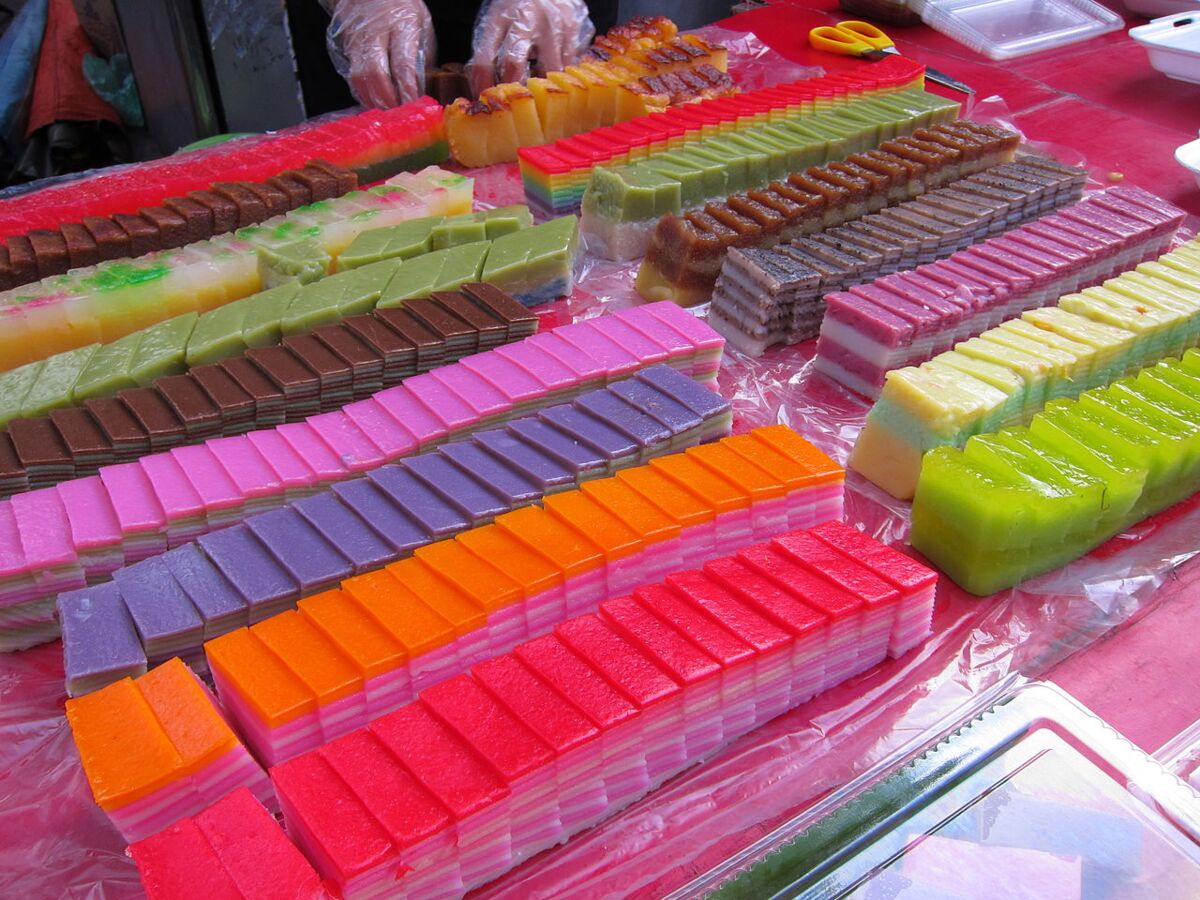
Dessert is where Peranakan food really wins kids over. Nyonya kueh are little bite-sized cakes and sweets in jewel-bright colours, made from coconut, glutinous rice, pandan and gula melaka. They are sweet, soft and almost entirely free of chilli, which makes them the perfect low-pressure introduction to the cuisine for a wary child:
- Kueh lapis - a steamed, many-layered jelly-like cake that kids love to peel apart one stripe at a time.
- Ondeh-ondeh - pandan rice balls rolled in coconut with a molten gula melaka centre that pops in the mouth. Endlessly entertaining for little ones.
- Kueh salat - a two-tone treat with sticky blue-and-white rice under a smooth pandan custard top.
- Pulut hitam - warm black glutinous rice porridge with coconut milk, gently sweet and soothing.
Many neighbourhood kueh shops sell them in mixed boxes, which makes a fun tasting session for the whole family. If your child takes to them, our roundups of the best desserts in Singapore and the city's best bakeries are good places to keep the sweet treats coming.
The heritage angle: Katong and Joo Chiat
The spiritual home of Peranakan culture in Singapore is the eastern enclave of Katong and Joo Chiat. Wandering here is half the experience: rows of low-rise shophouses painted in pastel shades, decorated with ornate ceramic tiles and shuttered windows. It is a lovely, walkable area to combine a meal with a stroll, and it is where the famous short-noodle Katong laksa comes from. Heritage family restaurants, homestyle eateries, kueh stalls and a handful of private-dining tables all sit within a fairly compact stretch.
We have a full family guide to Katong and Joo Chiat if you want to build a whole afternoon around the neighbourhood. For the food itself, it is worth knowing the area also gave Singapore one of its great noodle bowls, so pair this read with our guide to the best laksa in Singapore before you go.
Getting there and getting around
The nearest MRT stations are Eunos, Paya Lebar and Dakota, each followed by a short bus ride or walk; many families simply grab a bus or taxi straight to Joo Chiat Road or East Coast Road. The area is best explored on foot and is largely flat, so it works well with a stroller, though the older shophouse five-foot-ways can be narrow and uneven in places. Street parking fills up fast at weekend mealtimes, so a larger eatery with its own carpark is worth seeking out if you are driving. Always check the latest routes before you set off.
Eating out with kids: the practical stuff
Peranakan venues range from no-frills coffeeshop stalls to polished sit-down restaurants, and the family-friendly details vary just as much. A few things worth checking or planning around:
- High chairs and space - the bigger heritage and mall-based restaurants usually have high chairs and room for a stroller; tiny shophouse eateries and hawker stalls often do not, so call ahead or fold the buggy small.
- Nursing and diaper changes - standalone restaurants may have only a single shared toilet, while mall outlets give you proper nursing rooms and changing tables nearby. If facilities matter on the day, a mall venue is the safer bet.
- Timing the crowds - weekend lunch is the busiest and hottest window. An early lunch around 11.30am or a late, leisurely one after 2pm usually means cooler weather, shorter waits and a calmer room for kids.
- Rainy-day backup - much of the Katong walk is open-air, so on a wet day pivot to a mall-based Peranakan restaurant where you can park, eat and stay dry without lugging an umbrella over a pram.
- What to bring - a bib, wet wipes and a small water bottle go a long way; gravies are rich and kueh can be sticky. A spare top is never a bad idea.
- Allergies - shellfish, peanuts, egg and shrimp paste turn up across the menu. Flag any allergy clearly when you order; our notes on allergy-friendly eating in Singapore are handy if this is a regular concern for your family.
How to order a family-friendly spread
A relaxed Peranakan meal with kids comes down to balance. As a rough template for a family of four with two young children, aim for one mild main the children will actually eat (chap chye or babi pongteh), one fun finger-food dish (kueh pie tee or ngoh hiang), one bolder dish for the adults (ayam buah keluak or a sambal seafood), a vegetable, lots of plain rice, and a shared box of kueh to finish. Ask which dishes are mildest and whether chilli or sambal can come on the side, then let everyone build their own plate.
Make a day of it: the Peranakan Museum
If you want the story behind the food, the Peranakan Museum at 39 Armenian Street (near City Hall, Bras Basah and Bencoolen MRT stations) is a lovely companion to a meal. Its galleries trace Peranakan heritage from beadwork and porcelain to family life, and guided tours led by volunteer docents run daily. The museum is open daily, typically from 10am with a later closing on Fridays, but do confirm current opening hours, admission charges and any family programmes on the official site before you go, as these change from time to time.
A nice plan: visit the museum in the morning while everyone is fresh, then head east for a late, leisurely Peranakan lunch in Katong. For more local outings, browse our family guides and the learn hub for school-holiday ideas.
Good to know before you dine
- Spice levels vary a lot between restaurants and even between batches of the same dish. Ask which items are mild and whether chilli can be served on the side for children.
- It is sharing food. Order a few dishes plus extra rice rather than one plate per person, and let kids mix and match.
- Some classics are an acquired taste. Buah keluak in particular is earthy and unusual, so order one to share before committing the table to it.
- Portions can be generous and rich, so it is easy to over-order. Start smaller, taste, and add a dish or two if you are still hungry.
- Prices, hours and menus change, so always check a venue's official channels before visiting. We have deliberately kept this guide about dish types and culture rather than naming specific restaurants or quoting prices, so confirm the current spots locally.
FAQ
Is Peranakan food spicy?
Some of it is, but plenty is not. Dishes like chap chye, babi pongteh, popiah and kueh pie tee are mild, while ayam buah keluak, laksa and sambal seafood carry more heat. A good Peranakan spread has a mix, so families can balance the table and keep the chilli on the side for little ones.
What is the difference between Peranakan and Nyonya food?
They describe the same cuisine. Peranakan refers to the Straits Chinese community and culture; Nyonya specifically nods to the women who traditionally cooked these dishes. In Singapore, the two words are used interchangeably when people talk about the food.
Is Peranakan food good for kids?
Yes, with a little planning. Start with the mild, colourful dishes and the sweet Nyonya kueh, keep chilli on the side, and use the family-style format to let children try small amounts at their own pace. The kueh in particular tend to be an instant hit.
What is the best age to introduce kids to Peranakan food?
There is no hard rule. Toddlers can happily share mild plates like chap chye, plain rice and kueh, while the bolder, spicier dishes usually land better from primary-school age once children are a little more adventurous. Let your own child's tolerance for spice and new textures be the guide.
Where can we eat Peranakan food in Singapore?
Katong and Joo Chiat in the east are the traditional heartland, packed with heritage eateries and kueh stalls, but you will also find Peranakan restaurants in malls and across town. Because individual venues open, close and change menus, it is best to search for current options near you and check their official channels before heading down.
What should we order if our kids do not like spicy food?
Anchor the meal on chap chye, babi pongteh, ngoh hiang, popiah and plenty of plain rice, then add itek tim soup if it is on the menu. Ask for any sambal or chilli on the side, and finish with a box of Nyonya kueh, which are sweet rather than spicy.
Peranakan cuisine is one of the most rewarding ways to taste Singapore's heritage as a family. Order a generous, colourful spread, take the kids on a walk through Katong's pastel shophouse streets, and let everyone find their own favourite, whether that is a humble plate of chap chye or a box of rainbow kueh.
Gluten Free and Allergy-Friendly Eating Out in Singapore: A Parent's Guide
A practical parent's guide to gluten free and allergy-friendly eating out in Singapore: allergens, hawker safety, talkin...
9 min read
Cat Cafe Singapore: A Family Guide to Animal Cafes
A parent's guide to the cat cafe Singapore scene and animal cafes: how they work, age rules, etiquette, welfare, and wha...
10 min read
Bak Kut Teh in Singapore: A Family Guide to the Comforting Pork Rib Soup
A parent's guide to bak kut teh in Singapore: peppery vs herbal styles compared, what to order for kids, spice tips and ...
10 min read