

Visiting a Wet Market in Singapore With Kids: A Family Guide
In this article
- What is a wet market, and why it suits families
- Best time to go with kids
- What you will see at the stalls
- What to bring (and wear)
- Stroller, carrier and accessibility
- How to involve the kids and keep them safe
- Food safety and hygiene basics
- Well-known markets to try, and a rainy-day backup
- What to eat right after
- Frequently asked questions
There is something quietly magical about a Singapore morning that begins at a wet market. The air is still cool, the aunties and uncles are already singing out their best buys, and your little one is suddenly wide awake, pointing at a tank of live prawns. Long before air-conditioned supermarkets arrived this was how families shopped for dinner, and for plenty of households it still is. This guide is for any parent who wants a free, hands-on morning out, and it works best for babies in a carrier, curious toddlers and primary-school kids who can help pick produce. We will cover what a wet market is, the best time to go, what to bring, how to keep little ones safe and engaged, and where to grab breakfast after.
What is a wet market, and why it suits families
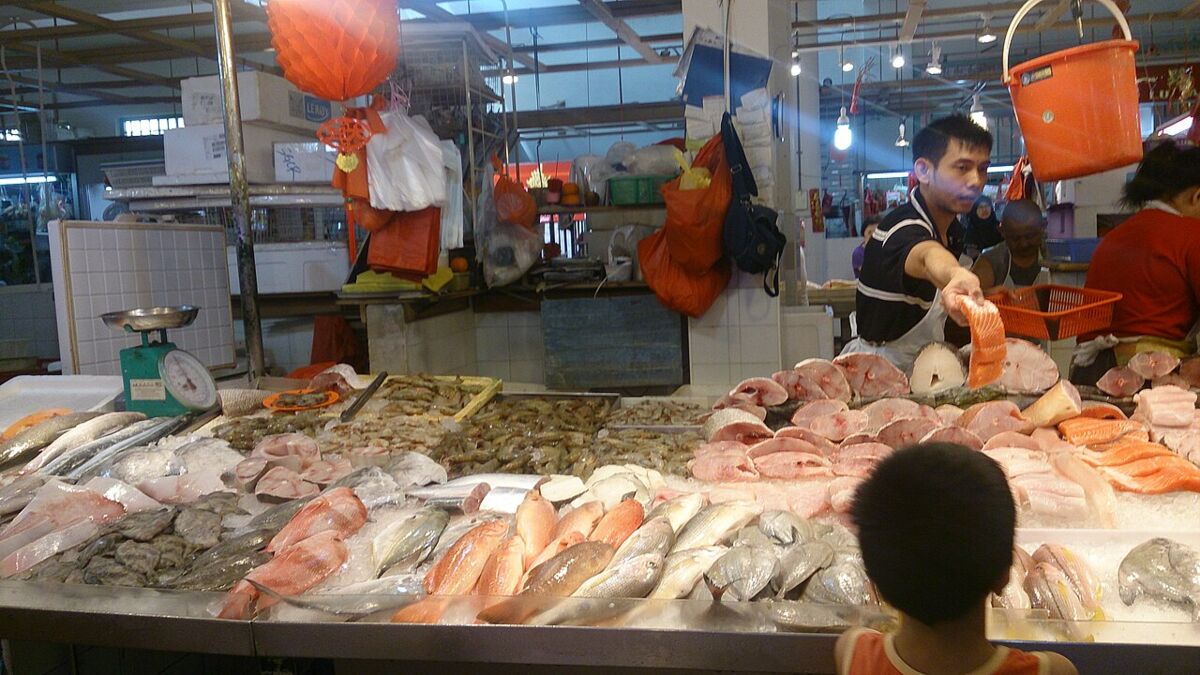
A wet market is a traditional fresh-produce market, usually on the ground floor of an HDB estate or tucked under a hawker complex. The name comes from the floors being hosed down through the morning and the ice melting over fresh fish, which keeps everything cool and, well, a little wet underfoot. Each stall is run by an individual vendor who specialises in one thing: one uncle for pork, one auntie for leafy greens, a fishmonger for the day's catch. Many have served the same neighbourhood for decades. Regulars are known by name, get the freshest pick set aside, and pick up cooking tips over the counter. It is shopping with a heartbeat, and one of the most honest slices of everyday Singapore you can show your children.
Most of these markets sit within the national network managed by the National Environment Agency, which oversees more than 120 markets and hawker centres across the island (see the NEA hawker management page). That is why you will find one in almost every neighbourhood, and why the easiest market to visit is usually the one closest to home. For young children it is a living classroom that hits every sense at once: the silver shine of fish on ice, the smell of fresh herbs and dried spices, the chatter of friendly haggling, the cool splash near the seafood tanks. No screen comes close.
- Food education: kids see whole fish, real cuts of meat and unpackaged vegetables, and learn that food does not begin life in a plastic tray.
- Culture and language: Singapore's markets reflect our Chinese, Malay and Indian communities, so children meet new words, ingredients and traditions naturally.
- Counting and money sense: handing over small notes and counting change is gentle, real-world maths.
- Low cost, low pressure: wandering and looking is free, so it is an easy outing with no booking and no big budget.
Best time to go with kids
Timing makes or breaks a family visit. Aim to arrive early, ideally between 7am and 9am, when the produce is freshest, the choice is widest, and the market is cooler and calmer for little legs before the heat and the lunch-prep crowd build up. By late morning the best fish and popular vegetables start to sell out, and the aisles get busy and warm, which is harder going with a stroller or an over-tired toddler.
Weekends are livelier but more crowded, so if you have a baby or a child who startles in a press of people, a weekday morning is gentler. Treat the visit as a short loop rather than a marathon: thirty to forty-five minutes is plenty for most young children before snacks and a sit-down are needed.
What you will see at the stalls
Most wet markets are loosely divided into sections, and half the fun is letting the children explore each one. Hand an older child a short list and turn it into a treasure hunt, ticking off what they spot.
Fresh fruit and vegetables
Bright piles of leafy greens, root vegetables, chillies, garlic and fragrant herbs, alongside tropical fruit like rambutan, mangosteen and durian in season. A lovely spot to let kids name colours, smell the herbs and choose one new thing to try at home, and vendors will often slice open a fruit so you can taste before you buy.
Seafood
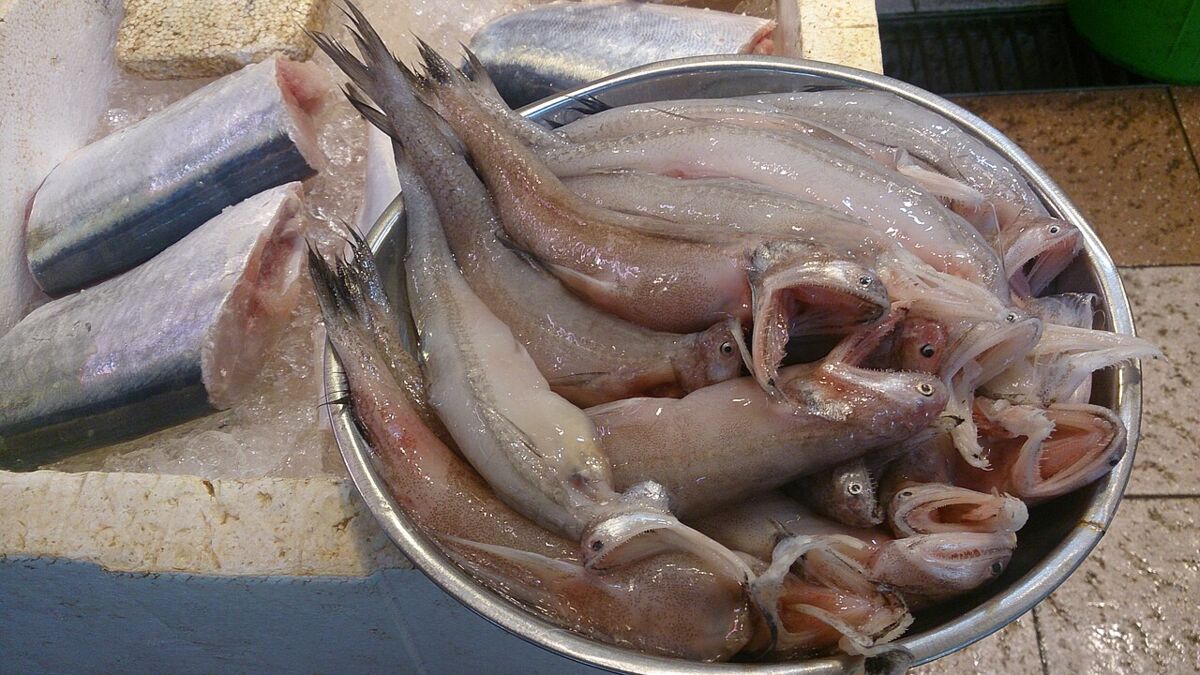
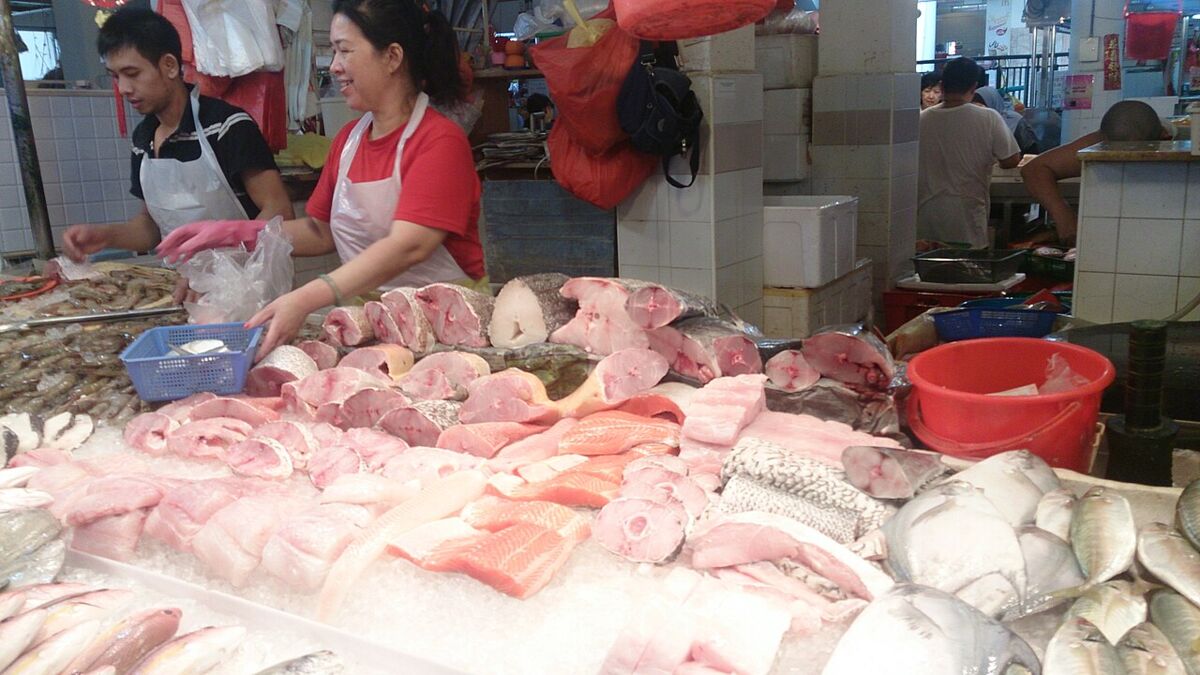
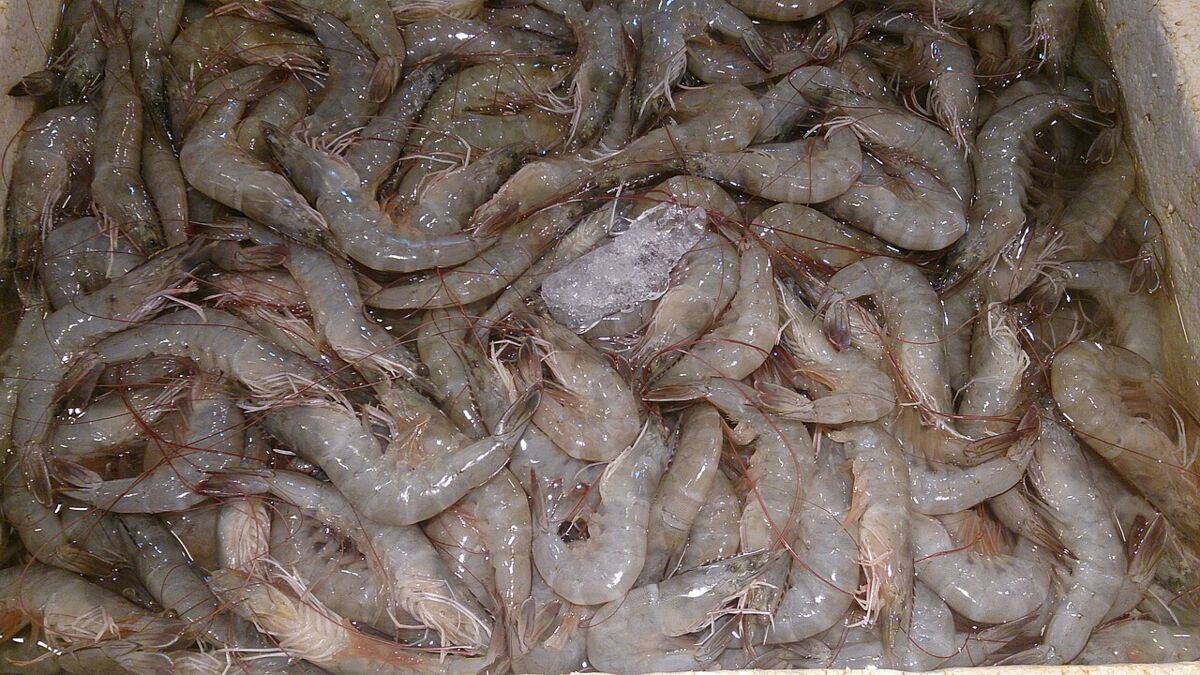
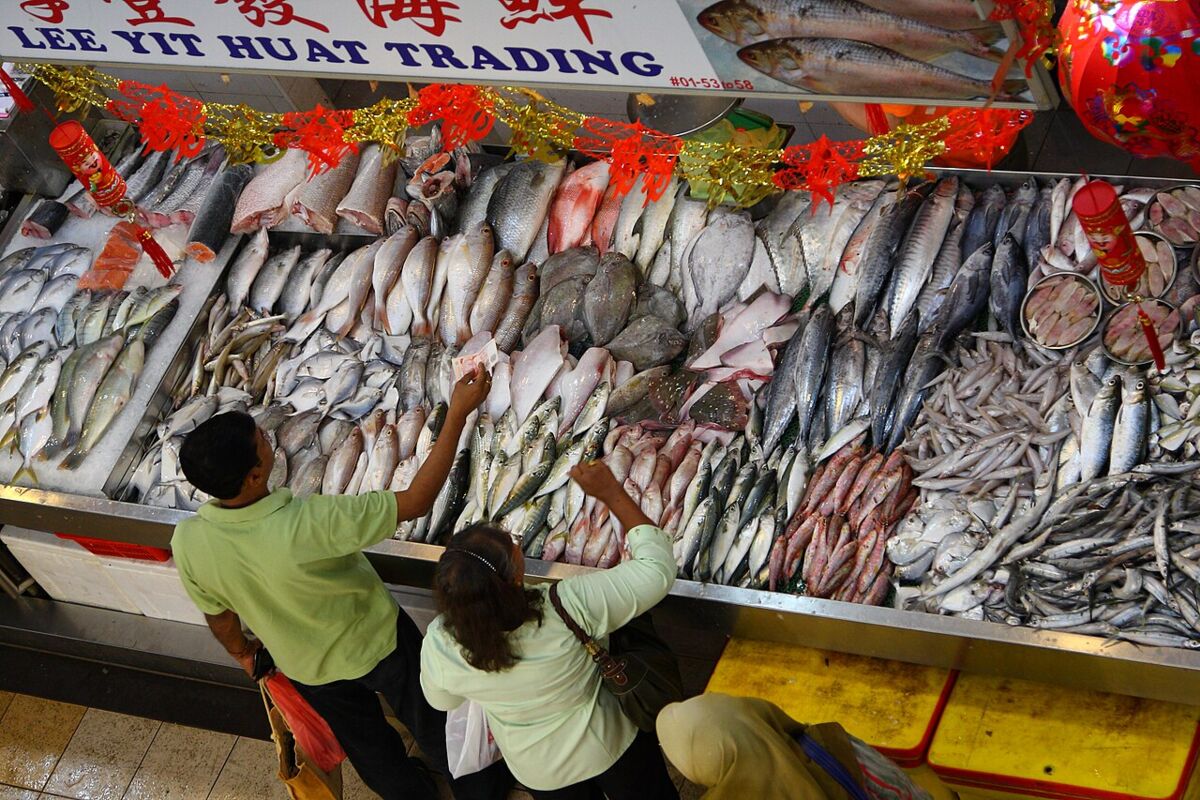
Usually the headline act for children. Fishmongers lay the morning's catch out on ice, and you will often spot live prawns, crabs and clams in tanks and tubs. Let the kids watch a fish being scaled and cleaned, but keep small fingers away from the crates and tanks. A tip parents love: ask the fishmonger to gut, scale or fillet your fish, and the butcher to chop or slice your meat. It is usually free and saves a lot of work at home.
Meat, eggs, tofu and dried goods
Butchers and poultry stalls sit alongside stalls for fresh tofu and soya products, eggs, fresh noodles, dried mushrooms, spices and preserved goods. Many markets also keep a flower stall near the entrance, a cheerful, gentle place to end your loop. If your family eats halal, look out for certified markets and stalls, particularly in areas like Geylang Serai.
What to bring (and wear)
A little preparation turns a hot, harried trip into an easy one. Pack light, but cover these essentials.
- Your own bags or a trolley: markets get through a lot of plastic, so a sturdy reusable bag or small trolley is greener and far easier to carry with a child in tow.
- Small cash: most stalls still prefer cash, and small notes and coins make paying quick. Some vendors accept PayNow or PayLah and many take CDC vouchers, but do not count on cashless everywhere.
- Wet wipes and hand sanitiser: hands touch a lot at a wet market, so a quick wipe before a snack keeps things hygienic.
- A cooler bag or ice pack if you are buying seafood or meat and have errands afterwards, so it stays cold on the way home.
- Covered, non-slip shoes for everyone: floors are wet and slippery, so skip the slippers. Closed shoes also protect little toes from trolley wheels and dropped ice.
- A water bottle and light snack to keep blood sugar steady until the hawker breakfast.
Stroller, carrier and accessibility
Most wet markets are at ground level, which is good news for prams, but the aisles are narrow and the floor is wet, so a stroller can feel clumsy at peak time. For a baby, a carrier or sling is often easier: it keeps your hands free, lifts your little one above the wet floor, and slips through tight gaps between stalls. If you do bring a stroller, go early when it is quietest.
Be realistic about facilities. Older standalone markets may not have a nursing room or baby-changing table, while newer developments and larger complexes with attached hawker centres usually do. If you need to feed or change a baby, check the venue beforehand or use a nearby mall or community club. Ground-floor markets are generally step-free for wheelchairs and prams, but the upstairs hawker centre may rely on a lift, so look for it on arrival.
How to involve the kids and keep them safe
The trick is to give children a real job. A toddler can carry one light item or point out colours; a four-year-old can choose the apples or count the eggs; an older child can hold the list, tick things off and hand over the cash. Small responsibilities keep them engaged and turn a chore into a game.
- Give each child one simple task so they feel useful, not dragged along.
- Hold hands in the busier aisles and near the seafood crates, tanks and trolley traffic.
- Teach a quick rule: look with eyes, not hands, unless the auntie or uncle says it is okay.
- Wipe or sanitise hands before any snack and again before you leave.
- Let them practise a polite greeting or thank you in another language. Vendors love it, and it builds confidence.
Food safety and hygiene basics
Wet markets are safe to shop at, and the produce is often fresher than the supermarket, but a few simple habits keep everyone well, especially with little ones.
- Buy chilled and frozen items like fish and meat last, so they spend less time out of the cold.
- Get home promptly and refrigerate or freeze fresh seafood, meat and poultry straight away rather than leaving bags in a warm car.
- Keep raw seafood and meat separate from fruit and ready-to-eat items in your bags.
- Wash vegetables and fruit well at home before eating or cooking.
- Cook seafood, meat and poultry thoroughly, particularly for babies and young children.
Well-known markets to try, and a rainy-day backup
You do not need a famous name to have a great morning, but for a bigger first visit several markets pair a wet market with a hawker centre under one roof, so breakfast is sorted the moment you finish. A few that families mention often, purely as examples of the areas to explore:
- Tiong Bahru Market: bright and not too big, with vegetables, fruit, meat, poultry, fish, eggs, tofu, dry goods and spices downstairs and a beloved hawker centre upstairs. Per its official site it is roughly an eight-minute walk from Tiong Bahru MRT, with a flower stall at the entrance.
- Tekka Centre, Little India: one of the largest indoor wet markets, with a wide spread of seafood, vegetables, spices and dried goods plus a famous food centre, right beside Little India MRT.
- Geylang Serai Market: a strong choice for Malay ingredients and halal options, with spices and ready-to-cook items.
- Your nearest heartland market: often the easiest of all, with a coffee shop or hawker centre next door.
For a rainy-day backup, indoor and undercover markets keep you mostly dry, and the attached hawker centre is a covered spot to wait out a passing shower over breakfast. It is one of the few family outings that still works when the weather is washed out. The wet market pairs beautifully with our guide to the best hawker centres in Singapore for families, and curious eaters can read up on durian in Singapore before braving the king of fruits at a stall.
What to eat right after
The best part of a wet market trip is that food is never far away. Markets like Tiong Bahru and Tekka have a hawker centre attached, so you can reward the morning's exploring with kaya toast and soft-boiled eggs, chicken rice, prawn noodles or a cool bowl of dessert, and even smaller markets sit beside a coffee shop. If the kids loved the seafood, follow it up another day with our best chicken rice in Singapore roundup or a bowl from our best laksa in Singapore guide. Hand the kids a few coins to try ordering, and the morning becomes a little life lesson as much as a meal.
Frequently asked questions
What age is a wet market good for?
Any age. Babies enjoy the colours and sounds from a carrier, toddlers love pointing at the fish and crabs, and older kids can choose produce and count change. The sweet spot for a fully hands-on visit is roughly three to ten years, when children can take on a small job and join the treasure hunt.
Are wet markets stroller and pram friendly?
Most are at ground level and step-free, so a pram works, but aisles get narrow and floors are wet, so go early when it is quietest. For babies, a carrier is often easier and keeps little ones up off the wet floor.
Do I need cash, or can I pay by card?
Bring small cash. Most stalls still prefer it, and small notes and coins make paying quick. Some vendors accept PayNow or PayLah and many take CDC vouchers, but cashless is not guaranteed at every stall.
Is it hygienic and safe for young children?
Yes. NEA-managed markets follow public-health rules and are cleaned regularly. Keep hands wiped, look rather than touch unless invited, buy chilled items last, and refrigerate fresh seafood and meat promptly.
Which day are markets closed?
It varies by market and by stall, with many quietest or partly closed on Mondays, plus periodic spring-cleaning closures at NEA-run markets and hawker centres. Always confirm opening days on the official site or NEA's closure schedule before you travel.
How much should we budget?
Wandering and looking is free, and you only spend on what you buy. Prices shift with the season and the day's catch, so bring a little extra small cash for a hawker breakfast rather than budgeting to a fixed amount.
A wet market is one of the simplest, most rewarding mornings out you can give your children: real food, real culture and a genuine taste of Singapore. Go early, pack your bag and small cash, wear covered shoes, give each child a job, and finish with breakfast at the hawker centre next door. For more local family adventures, keep browsing our blog.
Gluten Free and Allergy-Friendly Eating Out in Singapore: A Parent's Guide
A practical parent's guide to gluten free and allergy-friendly eating out in Singapore: allergens, hawker safety, talkin...
9 min read
Cat Cafe Singapore: A Family Guide to Animal Cafes
A parent's guide to the cat cafe Singapore scene and animal cafes: how they work, age rules, etiquette, welfare, and wha...
10 min read
Bak Kut Teh in Singapore: A Family Guide to the Comforting Pork Rib Soup
A parent's guide to bak kut teh in Singapore: peppery vs herbal styles compared, what to order for kids, spice tips and ...
10 min read