

Newborn & Infant Care
The first weeks with a newborn can feel like a blur of feeds, nappies and broken sleep. This is your starting point for caring for your baby in Singapore, one small step at a time.
Bringing a newborn home is joyful and overwhelming in equal measure. In the early days, almost everything revolves around three things: feeding, sleep and keeping your baby comfortable. Newborns feed often (sometimes every two to three hours, day and night), sleep in short stretches, and cry to tell you they are hungry, tired, wet or just need a cuddle. None of this means you are doing anything wrong. It is simply how tiny babies are built, and it does settle over the coming weeks.
This hub gathers the essentials for the newborn and infant stage in Singapore: practical care basics, feeding support, and how to keep your baby healthy through routine check-ups and vaccinations. The guides and tools below walk you through the first feeds and nappy changes, where to turn for breastfeeding help, and what Singapore's National Childhood Immunisation Schedule covers. You can also start mapping out your baby's jabs and find a paediatrician near you.
A few things help nearly every new parent: accept offers of help, rest whenever your baby rests, and keep your own check-ups and recovery in view too. Looking after yourself is part of looking after your baby. Use the articles and tools on this page as a calm, reliable reference whenever a question pops up at 3am.

Baby Choking First Aid: What Every Singapore Parent Should Know
Baby choking first aid in Singapore: how to spot true choking, the basics of infant back blows and chest thrusts, when t...
7 min readBaby Eczema in Singapore: Calm Skin in a Hot, Humid Climate
A gentle guide to baby eczema in Singapore: triggers in our humid climate, daily skincare, cradle cap, managing flare-up...
6 min readBaby Fever in Singapore: When to Worry and When to Wait
Baby fever in Singapore and when to worry: what counts as a fever, why any fever under 3 months is an emergency, red fla...
7 min readBaby Milestones Month by Month: A Singapore Parent's Guide (0 to 12 Months)
Baby milestones month by month in Singapore: when babies smile, roll, sit, crawl and talk from 0 to 12 months, plus when...
8 min readBaby-Friendly Places in Singapore: A Parent's Guide to Going Out With Your Little One
A practical guide to baby friendly places in Singapore: nursing rooms, diaper-change facilities, stroller access and tip...
6 min readBaby-Proofing Checklist for Singapore Homes: A Room-by-Room Guide
A practical baby proofing checklist for Singapore HDB flats and condos. Cover window safety, furniture, sockets and more...
7 min readBreastfeeding Support in Singapore: A Gentle Guide for New Mums
A warm, practical guide to breastfeeding in Singapore: getting started, a good latch, common challenges, expressing, and...
7 min readColic vs Reflux in Babies: A Singapore Parent's Guide to Soothing and Knowing When to Worry
Confused about baby colic in Singapore? Learn how to tell colic, reflux and wind apart, soothing techniques that help, a...
7 min readHand, Foot and Mouth Disease (HFMD) in Singapore: A Parent's Guide
HFMD in Singapore is common in childcare and preschool. Learn the symptoms in babies, home care, childcare exclusion rul...
6 min readNewborn Care Basics: Feeding, Sleep & Soothing in the First Weeks
A reassuring guide to caring for your newborn in Singapore - feeding cues and frequency, safe sleep, soothing a crying b...
8 min readNewborn Jaundice in Singapore: What Every Parent Should Know
Newborn jaundice in Singapore is very common. Learn why it happens, how bilirubin is checked, when phototherapy is used,...
7 min readStarting Solids in Singapore: A Calm, Practical Guide to Weaning Your Baby
Starting solids baby Singapore: signs of readiness at 6 months, iron-rich first foods, textures, allergens, foods to avo...
8 min readYour Baby's Vaccinations in Singapore (NCIS): A Parent's Guide
Understand Singapore's National Childhood Immunisation Schedule (NCIS) - which vaccines your child needs and when, why t...
5 min read
Teething in Babies: Signs, Soothing and What to Expect
A Singapore parent's guide to baby teething: when it starts, the signs, safe soothing methods, what to avoid, and when t...
10 min read
Why Babies Cry and How to Soothe Them
Why babies cry, a calm step-by-step soothing toolkit, what colic is, the never-shake safety message, and the red flags t...
10 min read
Baby Sleep Training in Singapore: Gentle Methods
A warm, practical guide to gentle baby sleep training in Singapore: when to start, the calmest methods, routines, safe s...
11 min read
Baby Poop: What's Normal and When to Worry
A Singapore parent's guide to baby poop: meconium, breastfed vs formula colours, frequency, constipation, diarrhoea, and...
11 min read
Boosting Breast Milk Supply: A Singapore Guide
How breast milk supply really works, how to tell baby is getting enough, and evidence-based ways to boost supply for Sin...
11 min read
Diaper Rash: Causes, Treatment and Prevention
A Singapore parent's guide to diaper rash: what causes it, how to treat mild cases at home, spotting a yeast infection, ...
9 min read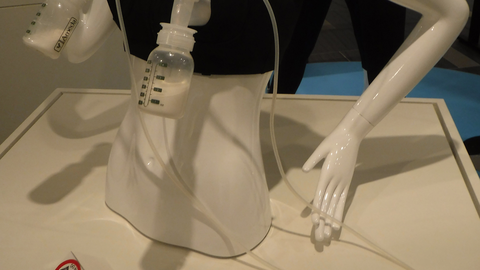
Pumping and Storing Breast Milk: A Singapore Guide
A practical Singapore guide to pumping, building a milk stash, safe storage times, thawing and warming, plus pumping at ...
11 min read
Baby-led weaning in Singapore: a practical starter guide
Baby-led weaning in Singapore explained: signs of readiness, safe first foods, choking versus gagging, and how it compar...
9 min readYour baby's NCIS immunisation timeline by birth date.📍Find a Paediatrician
Children's hospitals & clinics across Singapore, on a map.
Frequently asked questions
How often should a newborn feed in the first weeks?
Newborns feed frequently, often around 8 to 12 times in 24 hours, which can mean every two to three hours including overnight. Breastfed babies tend to feed on demand and may cluster feeds together at times. Watch for steady weight gain, regular wet and dirty nappies, and a baby who settles after feeds. If you are unsure your baby is getting enough, or feeding is painful, speak to a lactation consultant or your doctor. KKH, NUH and the polyclinics can point you to breastfeeding support, and you can read more in our breastfeeding support guide.
Are baby vaccinations free in Singapore?
Yes. Vaccines under the National Childhood Immunisation Schedule (NCIS) are fully subsidised, effectively free, for Singaporean children at polyclinics. The schedule protects against a range of illnesses, including tuberculosis (BCG), hepatitis B, diphtheria, tetanus, pertussis, poliomyelitis, measles, mumps, rubella, pneumococcal disease and chickenpox, among others. Vaccination against diphtheria and measles is legally required for children in Singapore. You can keep track of what is due and when using our vaccination schedule tool, and read the full overview in our NCIS vaccinations guide. For the official schedule and any updates, check HealthHub (healthhub.sg).
When should I take my newborn for the first check-up?
Your baby will usually have checks soon after birth in hospital, and a schedule of well-baby visits follows in the early weeks and months, often combined with vaccination appointments. These visits track growth, development and feeding, and give you a chance to ask questions. You can have these done at a polyclinic or with a private paediatrician. Use our paediatrician map to find a clinic near you, and follow the dates in your child's health booklet.
Is it normal for my newborn to sleep so much but wake so often?
Yes. Newborns often sleep a large part of the day, but in short stretches of a few hours at a time, because their tummies are small and they need frequent feeds. Longer night-time sleep usually develops gradually over the first few months. To reduce the risk of sudden infant death (SIDS), always place your baby on their back to sleep, on a firm flat surface, in your room but on their own sleep space, kept clear of loose bedding and pillows. If your baby is very difficult to wake or unusually floppy, that is different from normal newborn sleepiness, and you should see a doctor.
What should I do if my newborn develops a fever?
A fever in a baby under three months old is taken seriously and should be assessed by a doctor promptly, even if your baby otherwise seems well. Do not give any medication without medical advice for a baby this young. For older infants, watch the whole picture: feeding, alertness, breathing, wet nappies and any rash, rather than the temperature reading alone. If your baby seems very unwell, is hard to rouse, or you are simply worried, go to a doctor or A&E. It is always better to have your baby checked.