

Pregnancy & Prenatal
Welcome to your pregnancy and prenatal stage. Whether you have just seen two lines on a test or you are well into your second trimester, this is where Fussy Mama helps you understand what is happening, what to expect next, and how to look after yourself along the way.
Pregnancy in Singapore unfolds over three trimesters, roughly 40 weeks in all. The first trimester (weeks 1 to 12) is when your baby's major organs form and when many mums feel the most tired and queasy. The second trimester (weeks 13 to 27) often brings more energy and the first scans where you can see baby clearly. The third trimester (weeks 28 onward) is about steady growth and getting ready for labour and delivery. Everyone's experience is a little different, so try not to compare your journey too closely with anyone else's.
The single most helpful thing you can do is start antenatal care early. Regular checkups let your doctor or gynaecologist monitor your blood pressure, your baby's growth, and screen for conditions that are easier to manage when caught early. Most mums in Singapore choose between a polyclinic or KK Women's and Children's Hospital, NUH, or a private obstetrician. Whichever you pick, keep your appointments and bring any questions with you. Our guide to prenatal checkups and scans walks through what each visit typically covers.
Looking after yourself this stage
- Eat well and take folic acid. A balanced diet supports your baby's development, and folic acid in early pregnancy helps protect against neural tube defects. See eating well in pregnancy for what to enjoy and what to limit.
- Rest when you can. Fatigue is normal, especially in the first and third trimesters. Listen to your body.
- Stay gently active unless your doctor advises otherwise. Walking and prenatal exercise can ease aches and help you sleep.
- Watch for warning signs. Heavy bleeding, severe pain, a bad headache, or reduced baby movements in later pregnancy are reasons to contact your doctor or hospital promptly.
As you read through the guides below, you can also follow along week by week and work out your estimated due date with our due date calculator. When you are ready to think beyond delivery, the confinement and recovery hub will be waiting.

Antenatal Classes in Singapore: A First-Time Parent's Guide
Antenatal classes in Singapore explained: what they cover, who runs them, when to attend, and whether prenatal and child...
6 min readCommon Pregnancy Symptoms by Trimester: What to Expect and How to Ease It
A trimester-by-trimester guide to common pregnancy symptoms in Singapore, with safe self-care for nausea, heartburn, bac...
8 min readEating Well in Pregnancy: A Singapore Mum's Practical Guide
A practical Singapore guide to healthy eating in pregnancy: key nutrients, foods to limit, food safety at hawker centres...
7 min readFoods to Avoid During Pregnancy: A Singapore Guide
A clear list of foods to avoid during pregnancy in Singapore, from sashimi to high-mercury fish and kopi limits, with wh...
7 min readGestational Diabetes Diet in Singapore: What to Eat After a Positive OGTT
A practical gestational diabetes diet for Singapore mums after a positive OGTT: spreading carbs, lower-GI swaps, hawker ...
7 min readHospital Bag Checklist Singapore: What to Pack for Your Delivery
A practical hospital bag checklist for Singapore mums: documents, items for labour, postnatal, baby and your partner. Wh...
6 min readHow to Choose a Gynae in Singapore: Public vs Private, and Where to Deliver
How to choose a gynae in Singapore: public vs private care, what to weigh up, where to deliver your baby, getting referr...
7 min readMorning Sickness Remedies in Singapore: Safe Ways to Cope With Nausea in Pregnancy
Gentle, safe morning sickness remedies for Singapore mums: ginger, small frequent meals, hydration, vitamin B6, plus whe...
6 min readPregnancy Sleeping Positions: How to Sleep Safely and Comfortably
A plain-English guide to pregnancy sleeping positions: why side-sleeping is recommended later on, using a pregnancy pill...
6 min readPrenatal Checkups & Scans in Singapore: The Schedule Explained
Understand the antenatal checkup and scan schedule in Singapore - dating scan, OSCAR, anomaly scan, glucose test, GBS sw...
6 min readSafe Exercise During Pregnancy: A Singapore Mum's Guide
Safe exercise during pregnancy in Singapore: what to do, what to avoid, prenatal yoga tips, warning signs to stop, and w...
7 min readSigns of Labour in Singapore: How to Know It's Time and When to Go to Hospital
The real signs of labour in Singapore, how they differ from Braxton Hicks, the 5-1-1 rule, when to go to hospital, and r...
7 min readWhen to Take a Pregnancy Test in Singapore: Timing It Right for an Accurate Result
Wondering when to take a pregnancy test? Learn the most accurate timing, why early testing fails, what a faint line mean...
6 min readWriting a Birth Plan in Singapore: A Flexible Guide for Mums-to-Be
A practical guide to writing a birth plan in Singapore: pain relief, birth positions, skin-to-skin, C-section preference...
6 min readYour Pregnancy, Week by Week: A Trimester Guide for Singapore Mums
A trimester-by-trimester guide to pregnancy for Singapore mums - what changes in your body, your baby's development, and...
7 min read
Prenatal Vitamins in Singapore: What to Take and When
A clear Singapore guide to prenatal vitamins: folic acid, DHA, iron, calcium and vitamin D, what each does, when to star...
10 min read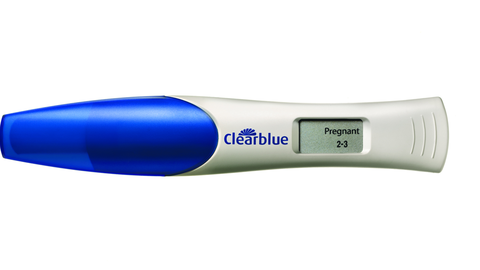
Early Signs of Pregnancy: How to Know for Sure
A warm, practical Singapore guide to the early signs of pregnancy, when to take a home test, and how to confirm with a G...
11 min read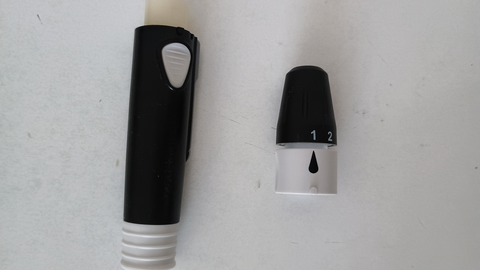
Gestational Diabetes in Singapore: Testing, Diagnosis and Management
A clear Singapore guide to gestational diabetes: who is at risk, the 24-28 week OGTT, what a diagnosis means, and how it...
11 min read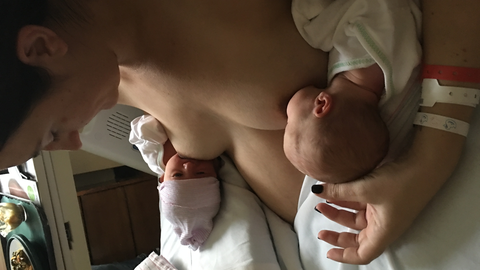
Expecting Twins in Singapore: Signs, Care and What to Expect
Expecting twins in Singapore? Learn the early signs, why a dating scan matters, higher-risk monitoring, delivery options...
11 min read
Your Pregnant Belly: Bump Growth Stage by Stage
How your pregnant belly grows stage by stage in Singapore, why bumps vary so much, what fundal height means, skin change...
10 min read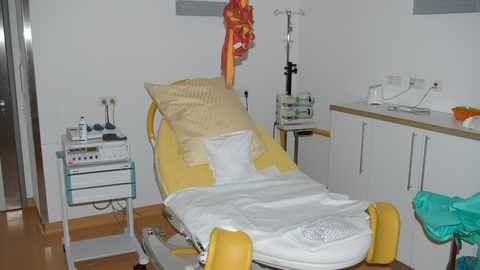
Epidural and Labour Pain Relief in Singapore
A clear, practical Singapore guide to labour pain relief options, with an in-depth look at the epidural: how it works, t...
10 min read
VBAC in Singapore: A Practical Guide for Mums Planning a Vaginal Birth After Caesarean
A clear guide to VBAC in Singapore: success rates, who qualifies, the risks, hospital options and how to plan a vaginal ...
11 min read
Doula in Singapore: birth and postpartum support explained
A doula in Singapore offers non-medical birth and postpartum support. Learn what doulas do, costs, types and how to regi...
11 min read
Pre-eclampsia in pregnancy: warning signs Singapore mums should know
A clear guide to preeclampsia in Singapore: warning signs, risk factors, antenatal monitoring and management, plus the r...
10 min read
How to reduce pregnancy stretch marks: what actually works
An honest, evidence-based guide to pregnancy stretch marks in Singapore: you cannot fully prevent them, but here is what...
9 min read
Preparing for labour in Singapore: signs, stages and what to pack
Preparing for labour in Singapore: learn the 3 stages, early signs, when to go to hospital, and how to ready your mind, ...
11 min read
Surviving pregnancy heat in Singapore: how to stay cool and safe
Coping with pregnancy heat in Singapore? Learn why you feel hotter when expecting, plus practical tips to stay cool, hyd...
9 min read
Hospital maternity packages in Singapore: what delivery really costs
A clear guide to hospital maternity packages in Singapore: public vs private delivery costs, ward classes, what is and i...
9 min read
Breast cancer in pregnancy in Singapore: a calm, careful guide
A gentle, factual guide to breast cancer in pregnancy in Singapore: how it is diagnosed and treated safely, and where to...
9 min readFrequently asked questions
When should I book my first antenatal appointment in Singapore?
As a general guide, try to see a doctor once you have a positive pregnancy test, ideally in the first trimester. Early booking lets your doctor confirm the pregnancy, estimate your due date, and start screening and supplements like folic acid. You can begin at a polyclinic or go directly to a hospital such as KK Women's and Children's Hospital or NUH, or to a private obstetrician. Check current details with HealthHub (healthhub.sg).
How do I work out my due date?
Due dates are usually estimated at about 40 weeks from the first day of your last menstrual period, and refined by an early ultrasound scan. Our due date calculator gives you an estimate to start with, but treat it as a guide. Your doctor's dating scan is the most accurate, and only about a small share of babies actually arrive on the estimated date.
What supplements should I take during pregnancy?
Folic acid is commonly recommended in early pregnancy to help reduce the risk of neural tube defects, and many mums also take iron and other prenatal vitamins. The right combination depends on your health, so ask your doctor or pharmacist what suits you rather than self-prescribing. Do not start or stop any supplement or medication in pregnancy without checking first.
Are scans and antenatal care subsidised in Singapore?
Costs vary widely depending on whether you go to a polyclinic, a public hospital, or a private clinic, and on the type of scans and tests you have. Subsidies and MediSave use may apply for certain services. Because amounts change, confirm current fees and subsidy details directly with your chosen clinic or hospital and on HealthHub (healthhub.sg) rather than relying on a fixed figure.
What should I avoid eating while pregnant?
In general, it is sensible to avoid raw or undercooked meat, fish, and eggs, unpasteurised dairy, high-mercury fish, and to limit caffeine and alcohol. Food safety matters because pregnancy raises the risk from certain infections. For a Singapore-specific rundown of what to enjoy and what to limit, see our eating well in pregnancy guide, and raise any specific worries with your doctor.